Summary
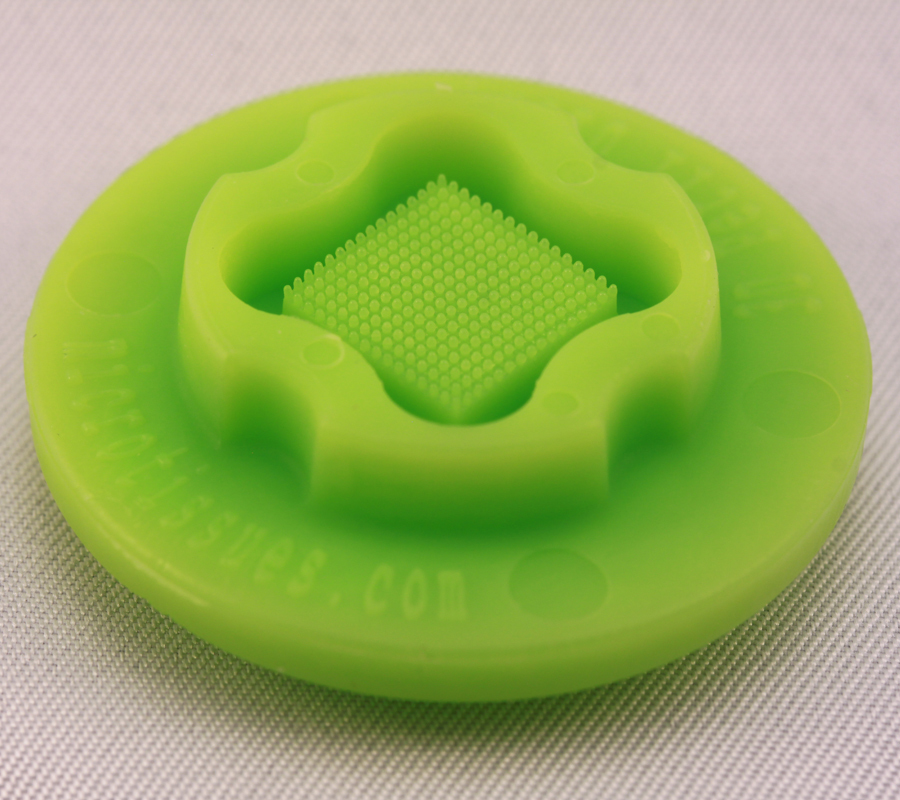
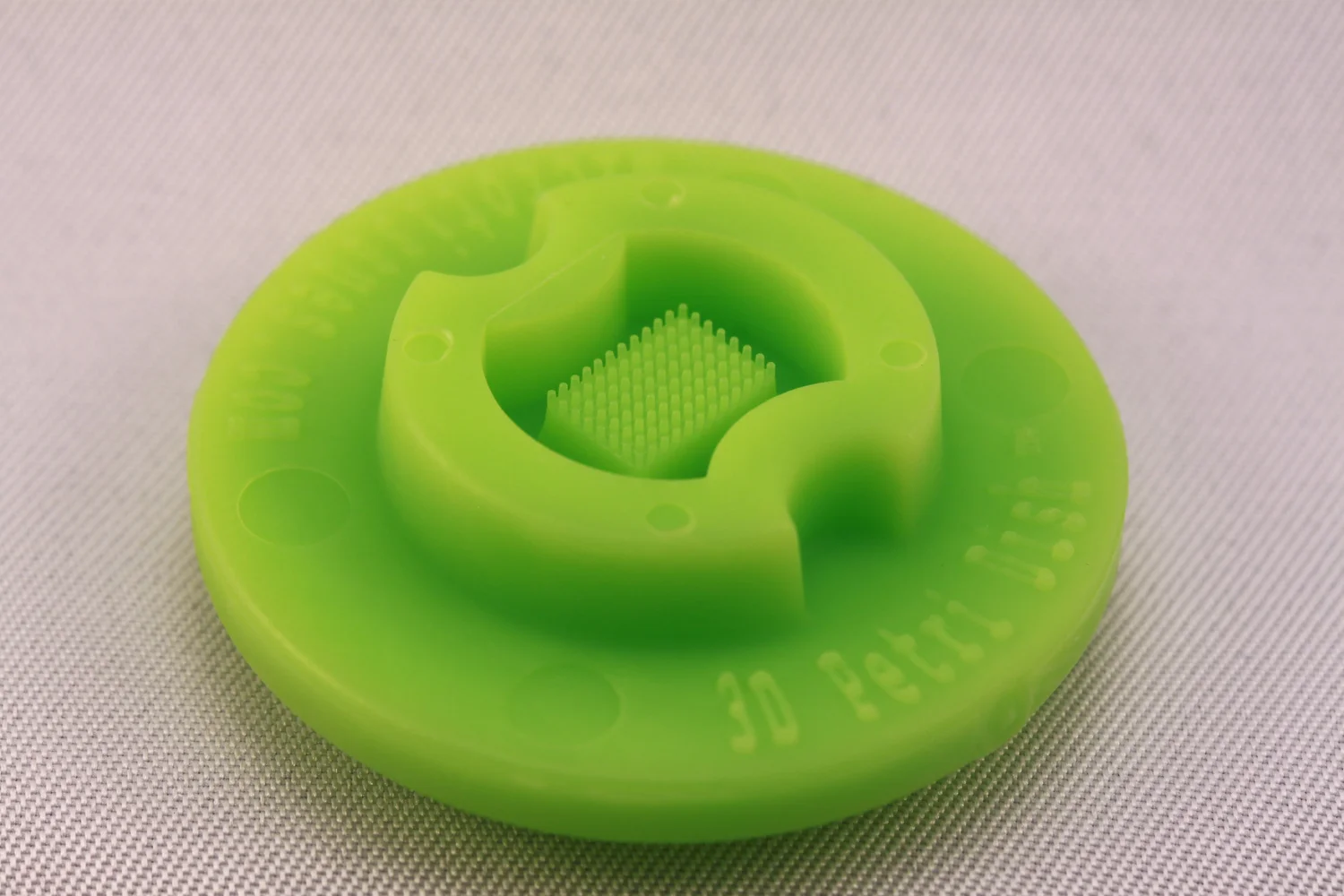
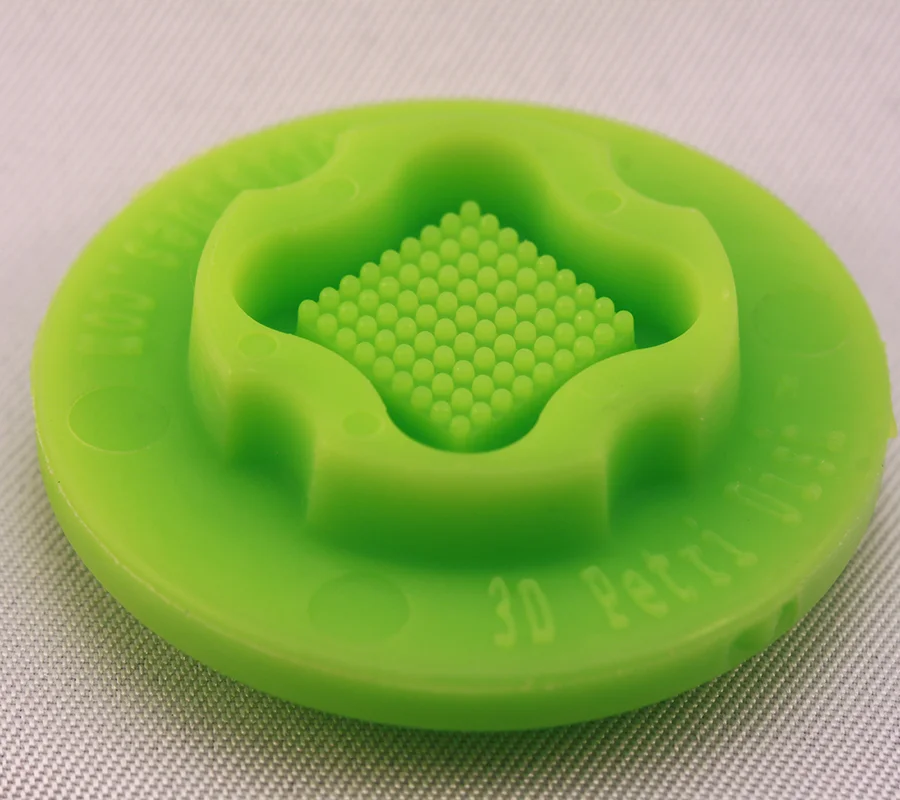
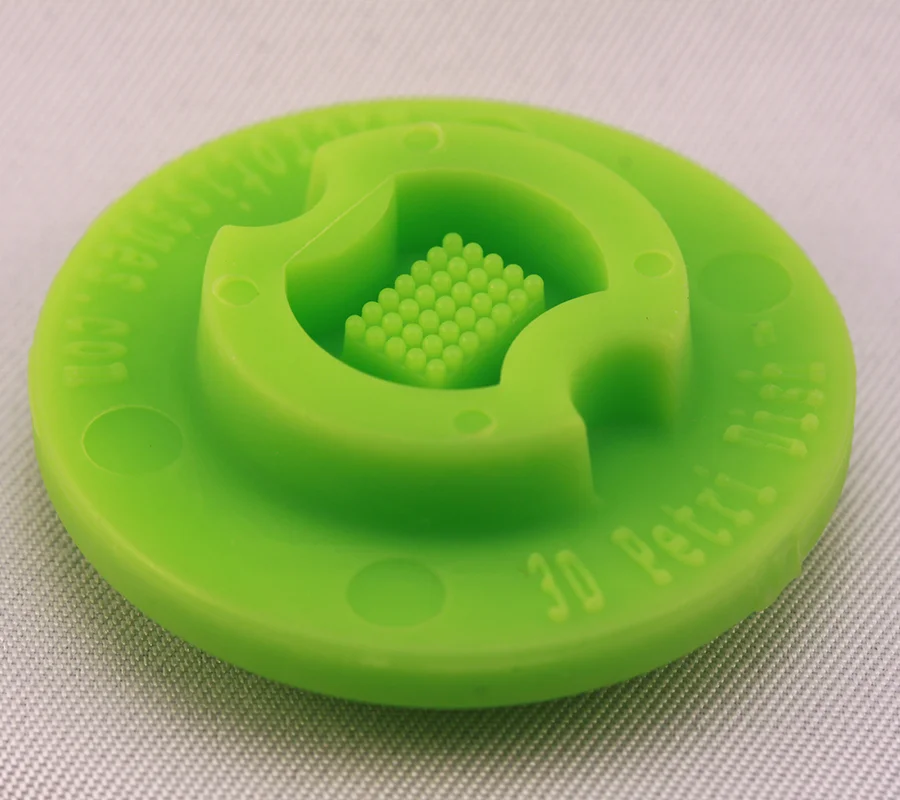
Published in Biomaterials Research (2022), this peer-reviewed study used 3D Petri Dish® micro-molds to form scaffold-free 3D microtissues. Full citation: Lee, Doh Young, et al. Injection laryngoplasty of human adipose-derived stem cell spheroids with hyaluronic acid-based hydrogel improves the morphological and functional characteristics of geriatric larynx
Injection laryngoplasty of human adipose-derived stem cell spheroids with hyaluronic acid-based hydrogel improves the morphological and functional characteristics of geriatric larynx
Research Overview
As the population ages, laryngeal atrophy and dysfunction grow more common. This study evaluated injecting spheroids of human adipose-derived stem cells, loaded in a catechol-conjugated hyaluronic acid hydrogel, to rejuvenate the geriatric larynx.
Spheroid-laden hydrogel was injected into the laryngeal muscles of 18-month-old rats across four groups: PBS sham, hydrogel alone, single-cell suspension in hydrogel, and spheroids in hydrogel. Rejuvenation of geriatric laryngeal muscle was evaluated at 12 weeks by histology, immunofluorescence, and functional assessment — isolating whether spheroid delivery outperforms dispersed cells.
Key Discoveries
- hASC spheroids in catechol-hyaluronic acid hydrogel injected into aged rat laryngeal muscle
- Four-arm comparison: sham, gel only, single cells in gel, spheroids in gel
- Muscle rejuvenation assessed at 12 weeks by histology, immunofluorescence, and function