Summary
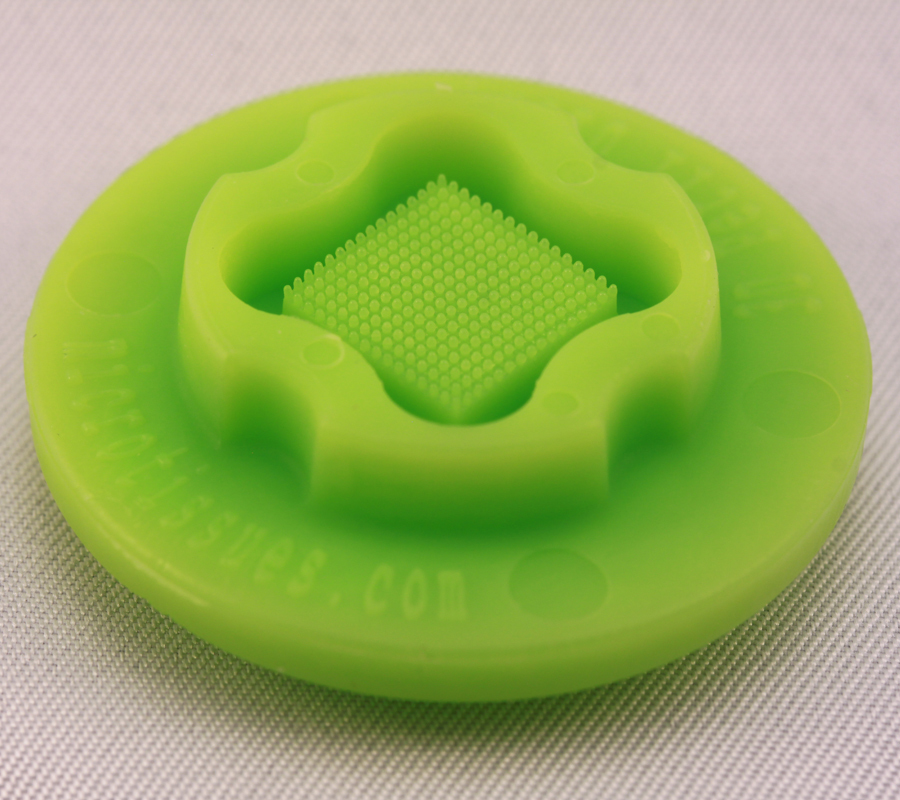
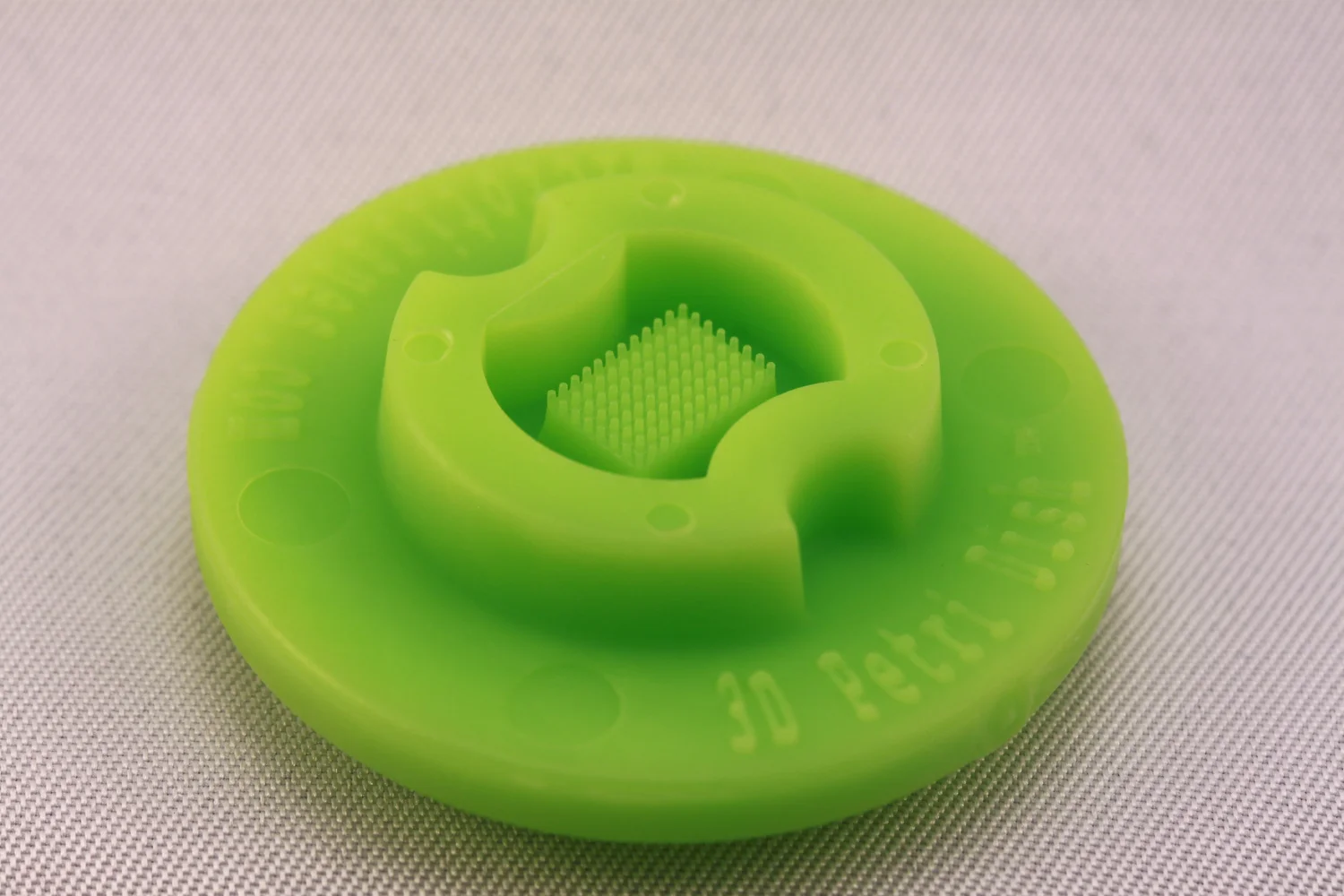
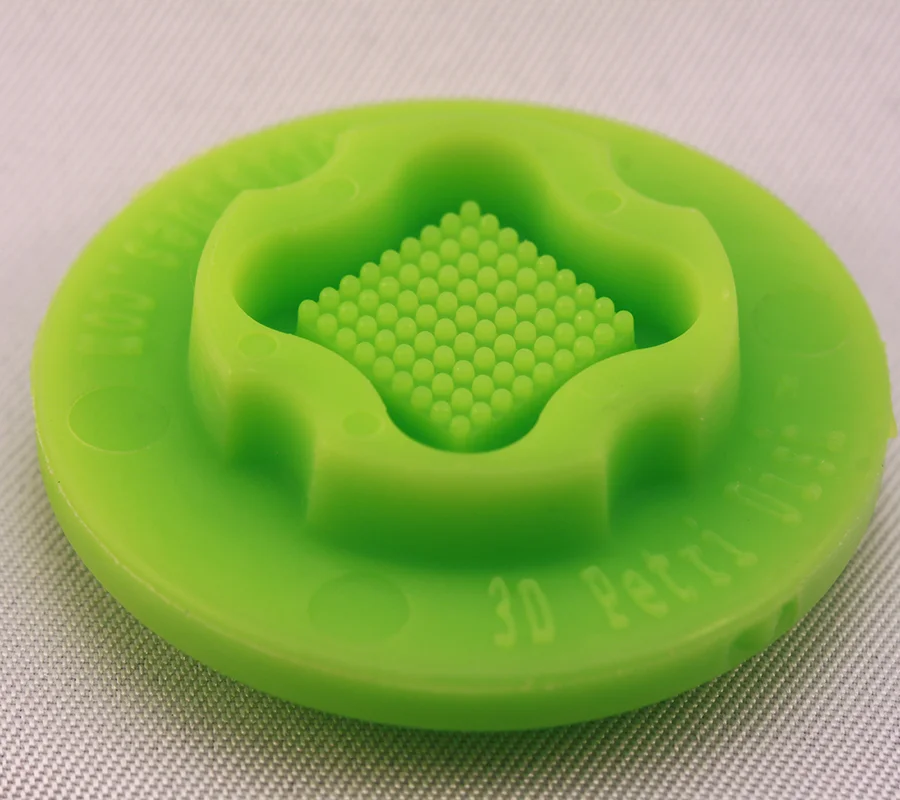
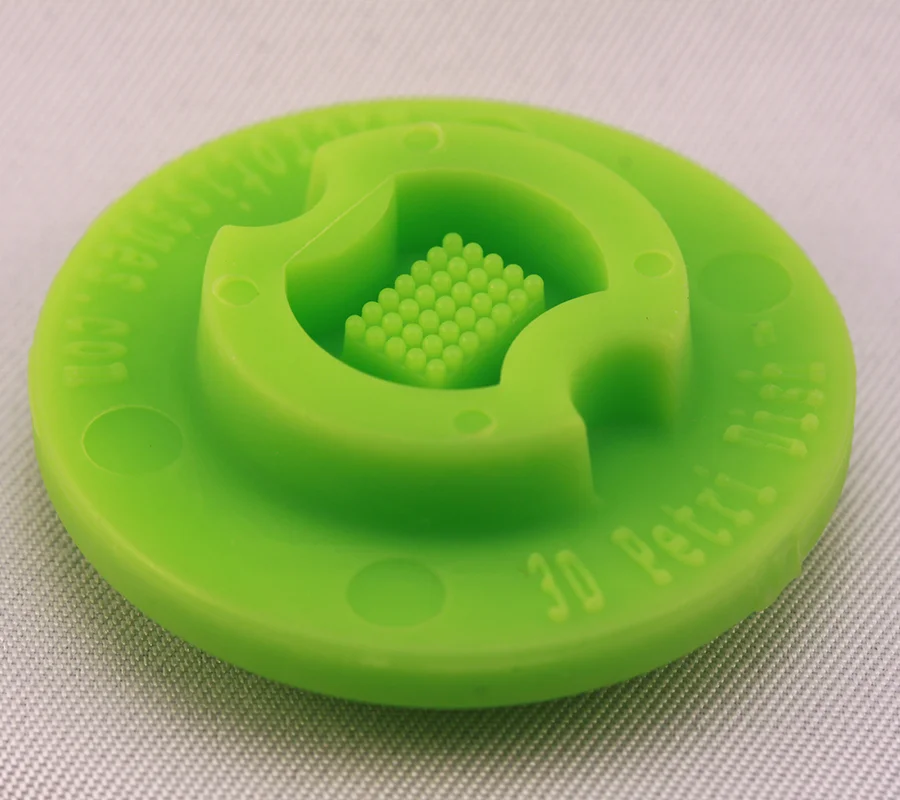
Published in Nature Communications (2021), this peer-reviewed study used 3D Petri Dish® micro-molds to form scaffold-free 3D microtissues. Full citation: Langkabel, Jan, et al. Induction of Rosette-to-Lumen stage embryoids using reprogramming paradigms in ESCs
Induction of Rosette-to-Lumen stage embryoids using reprogramming paradigms in ESCs
Research Overview
Building on transcription-factor reprogramming rather than blastocyst-derived assembly, this study generated embryo-like structures from embryonic stem cells in a simple 3D co-culture system. The cells self-organized into elongated, compartmentalized structures reflecting the inner regions of the early post-implantation embryo.
Single-cell RNA sequencing showed transcriptional profiles resembling epiblast, primitive/visceral endoderm, and extraembryonic ectoderm of murine embryos around E4.5–E5.5. Within this stem-cell-based embryo model, the structures progressed from rosette formation through lumenogenesis — recapitulating a key morphogenetic transition of early development in vitro.
Key Discoveries
- Embryoids progressed from rosette formation to lumenogenesis in stem-cell-based 3D culture
- Transcriptional profiles matched epiblast, primitive/visceral endoderm, extraembryonic ectoderm
- Reprogramming-based approach avoids reliance on blastocyst-derived assembly