Summary
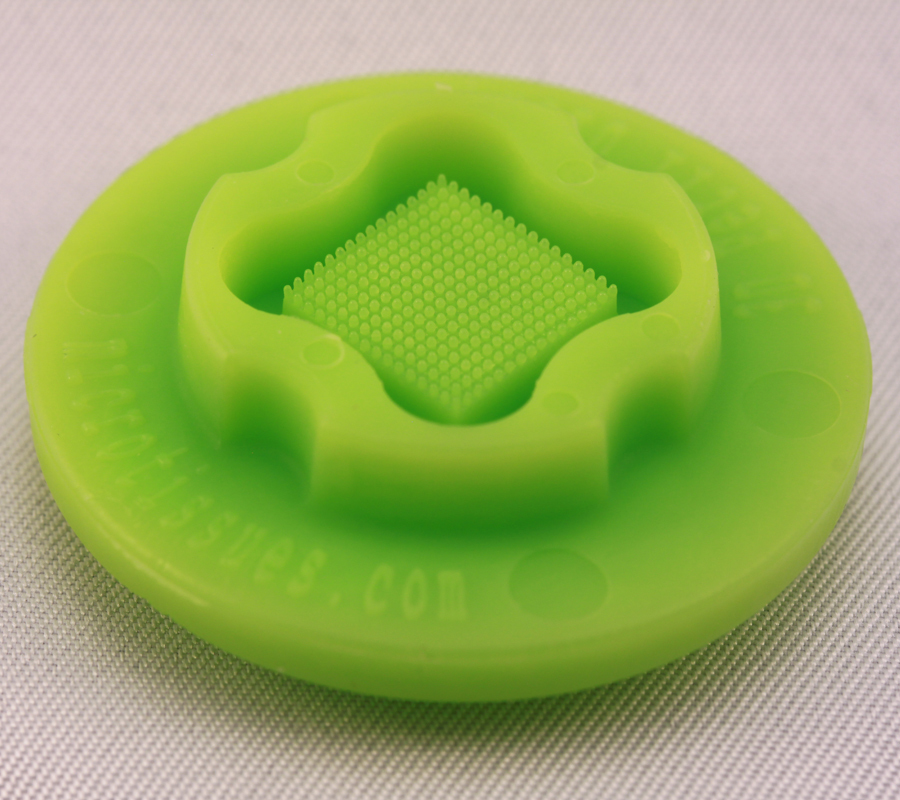
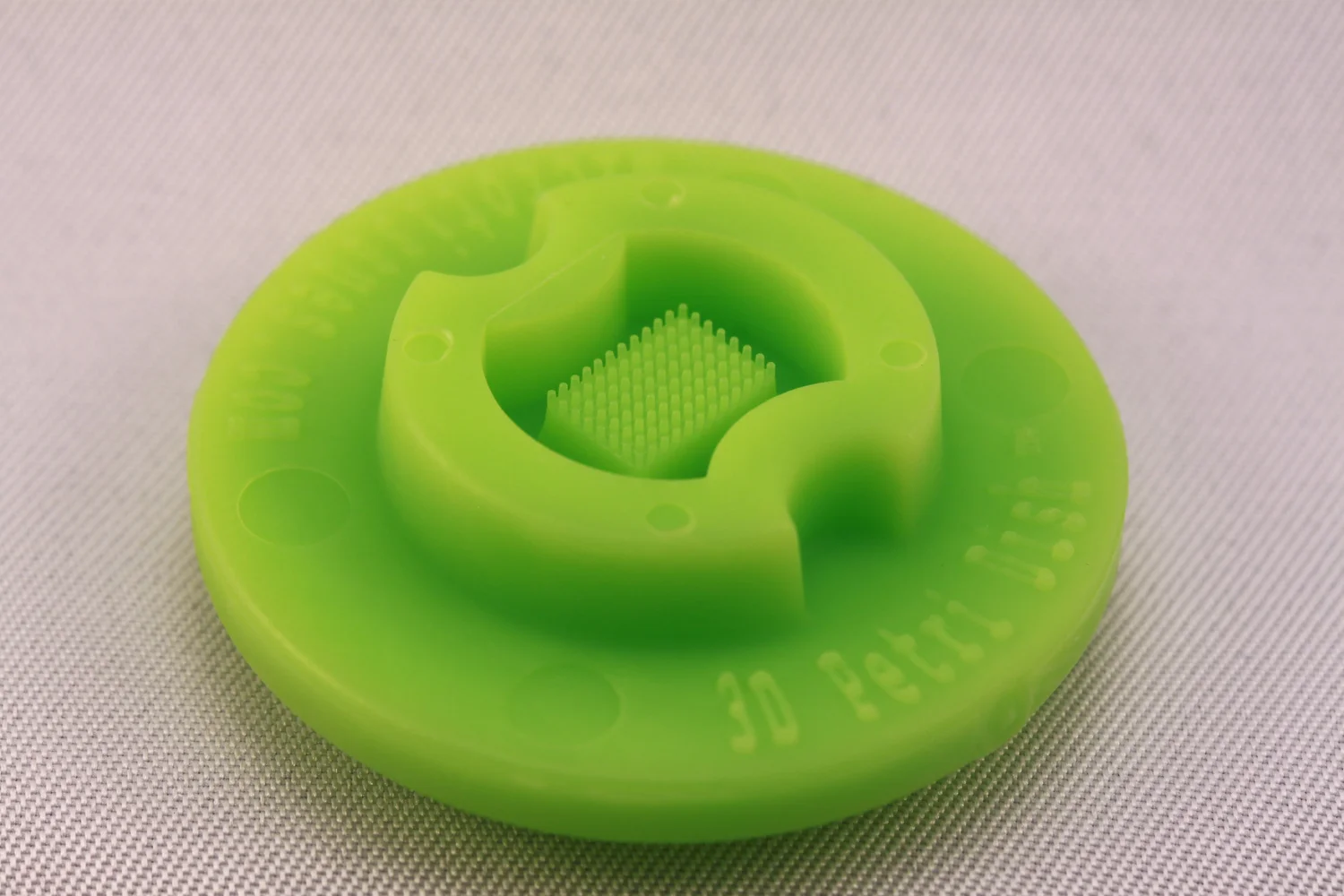
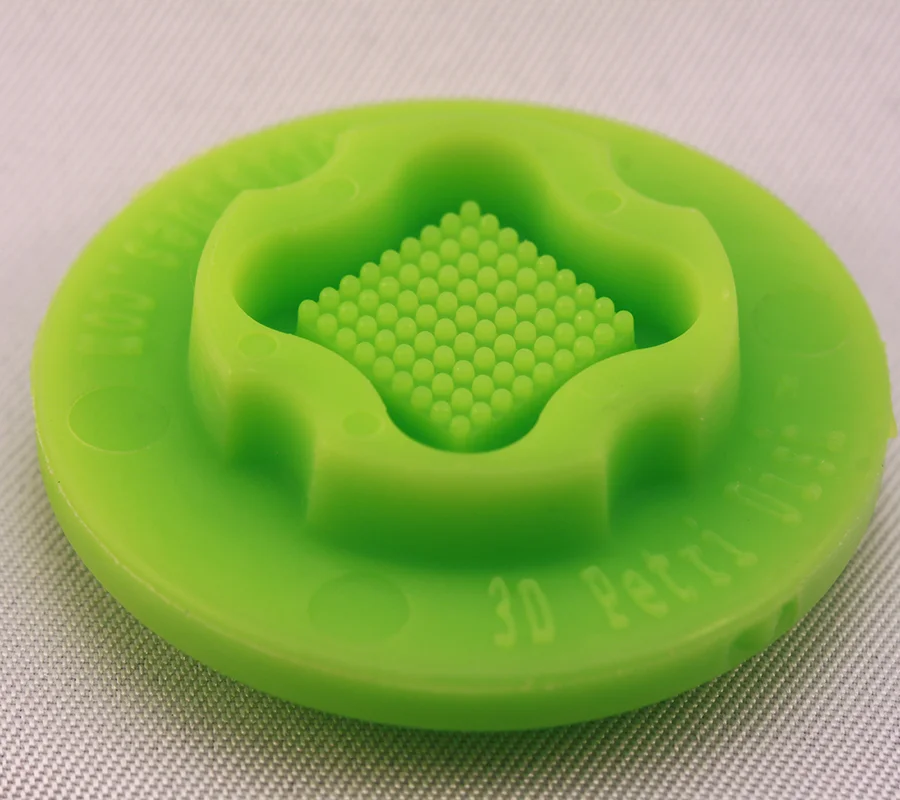
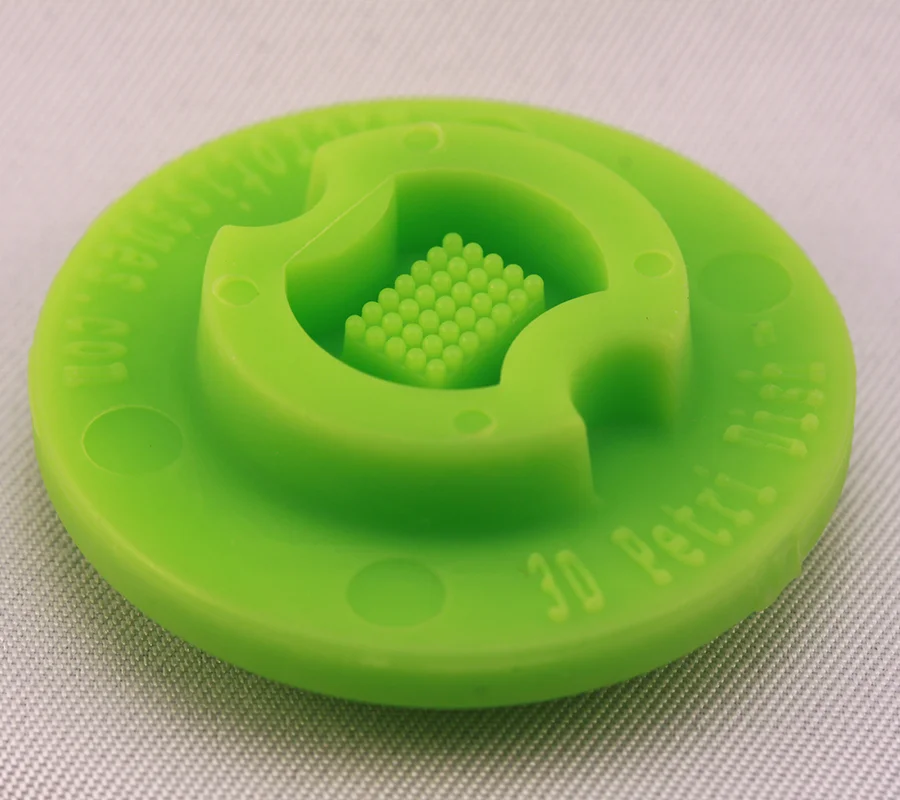
Published in a peer-reviewed journal (2021), this study utilized 3D Petri Dish® micro-molds to generate uniform microtissues for investigating 'induction of peri-implantation stage synthetic embryos using reprogramming paradigms in escs.' biorxiv (2021): 2021-01. The research demonstrates the value of standardized 3D cell culture models in advancing our understanding of this field.
Induction of peri-implantation stage synthetic embryos using reprogramming paradigms in ESCs. bioRxiv (2021): 2021-01
Research Overview
Blastocyst-derived stem cell lines can self-organize into embryo-like structures in 3D culture. This study showed such structures can be generated by transcription-factor-mediated molecular reprogramming of embryonic stem cells alone, in a simple 3D co-culture system.
Over the course of reprogramming, the stem cells self-organized into elongated, compartmentalized synthetic embryo-like structures showing anterior visceral endoderm formation and symmetry breaking. Single-cell RNA-seq revealed transcriptional profiles resembling epiblast, visceral endoderm, and extraembryonic ectoderm of murine embryos around E4.5–E5.5, with epiblast compartment markers supporting primordial germ cell specification.
Key Discoveries
- Synthetic embryo-like structures generated purely by transcription-factor reprogramming in 3D co-culture
- Structures showed anterior visceral endoderm formation and symmetry breaking
- Single-cell RNA-seq matched epiblast, visceral endoderm, and extraembryonic ectoderm of E4.5-E5.5 embryos