Summary
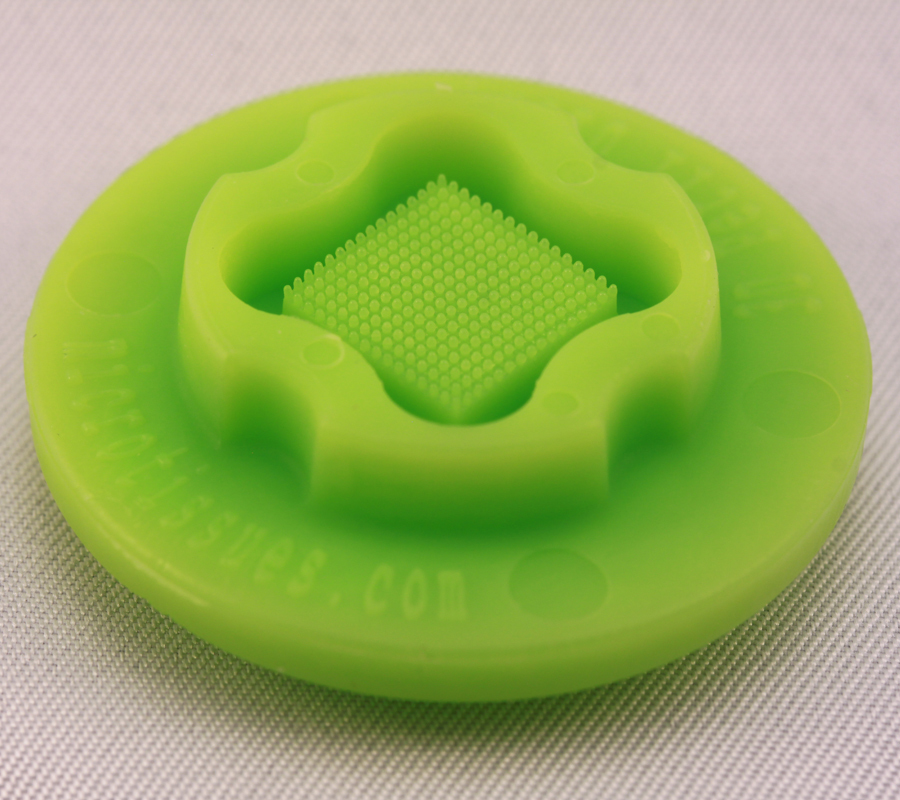
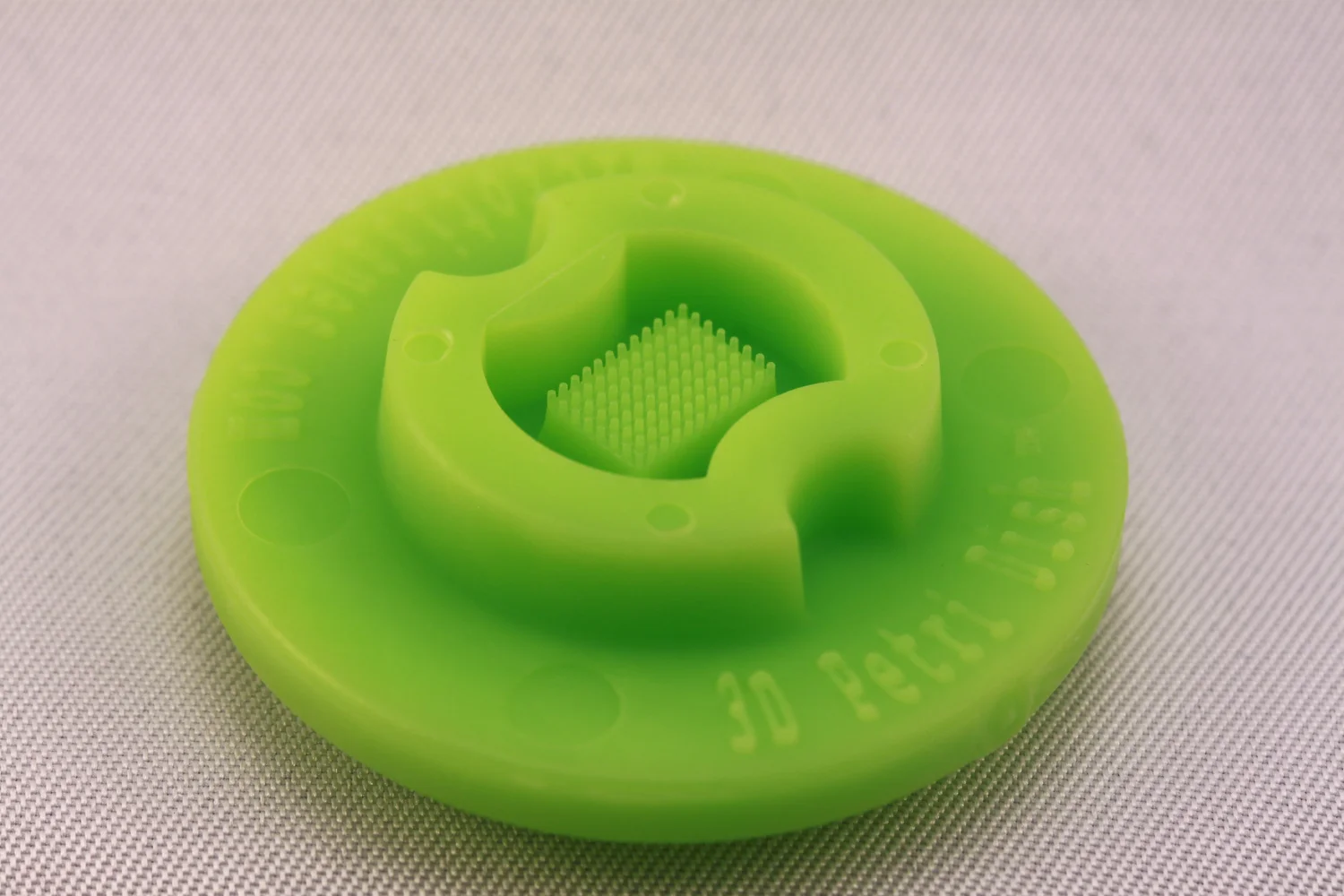
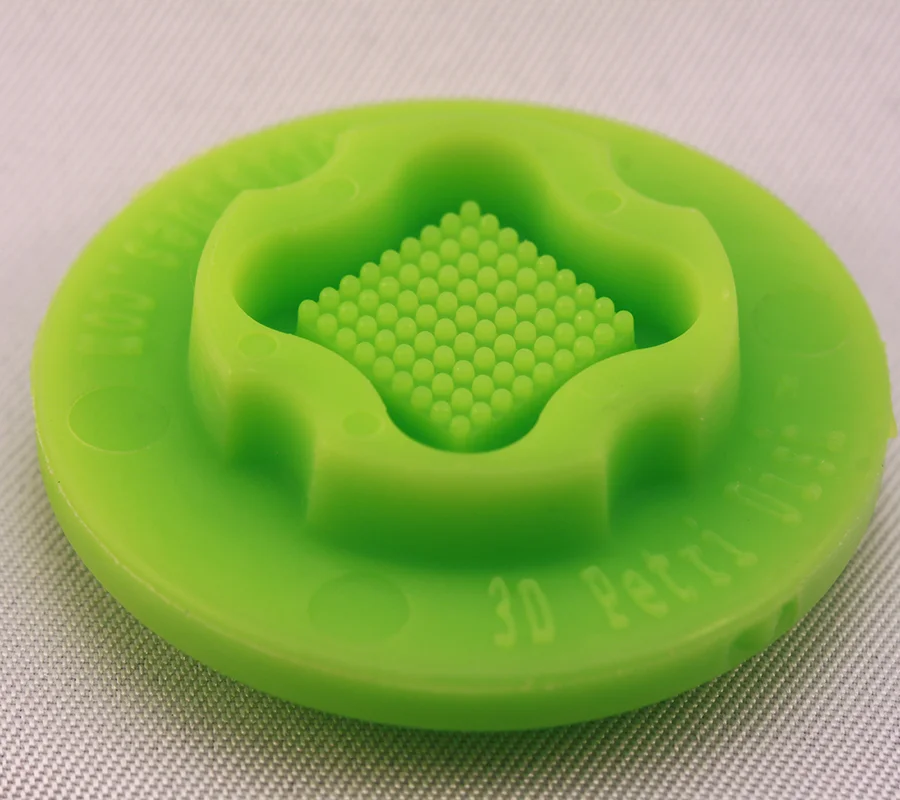
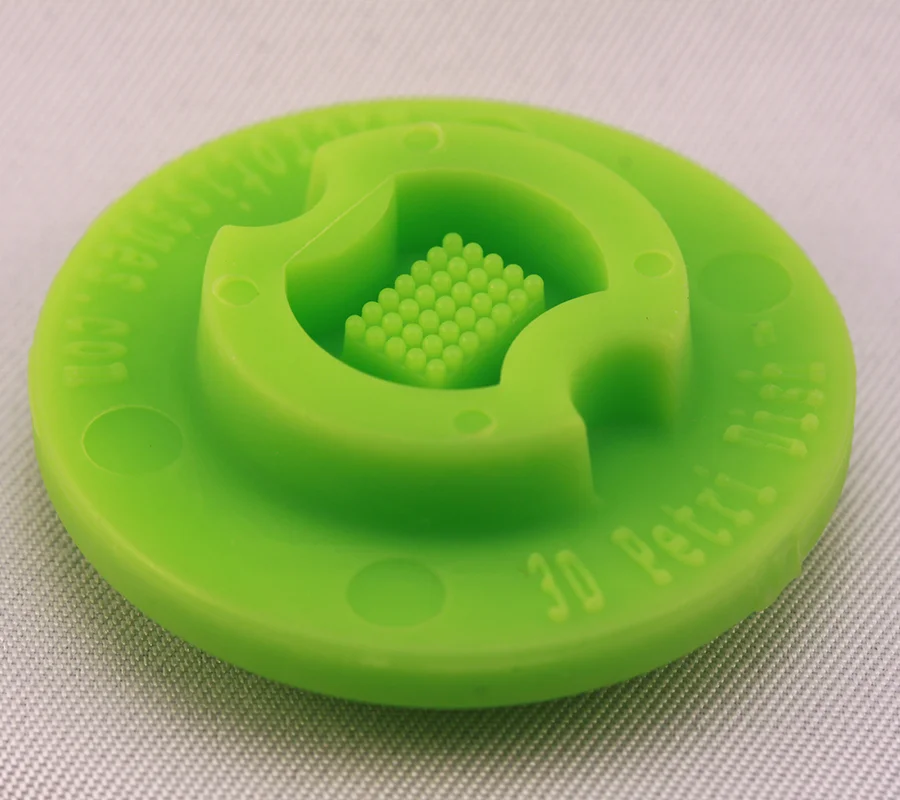
Published in Drug Delivery and Translational Research (2025), this peer-reviewed study used 3D Petri Dish® micro-molds to form scaffold-free 3D microtissues. Full citation: Silveira, Maria José, et al. Immunostimulatory effects of IL-12 targeted pH-responsive nanoparticles in macrophage-enriched 3D immuno-spheroids in vitro model
Immunostimulatory effects of IL-12 targeted pH-responsive nanoparticles in macrophage-enriched 3D immuno-spheroids in vitro model
Research Overview
Metastatic colorectal cancer has a five-year survival of only 14%, and immunotherapy has not improved it — partly because the slightly acidic (~pH 6.5) tumor microenvironment is immunosuppressive. Interleukin-12 can reverse that suppression by inducing interferon-gamma, but systemic side effects have blocked its clinical use.
This study developed pH-responsive polymeric nanoparticles that encapsulate IL-12 and release it preferentially in the acidic tumor environment. At pH ~6.5 the IL-12-loaded particles induced an antitumoral pro-inflammatory response in macrophages — higher interferon-gamma and nitric-oxide release — without affecting the cells’ metabolic activity, whereas the response differed at neutral pH.
Key Discoveries
- pH-responsive nanoparticles designed to release IL-12 selectively in the acidic (~6.5) tumor microenvironment
- At pH 6.5 the particles raised macrophage IFN-γ and nitric oxide without metabolic toxicity
- Strategy aims to deliver IL-12's immunostimulation while avoiding its systemic side effects