Summary
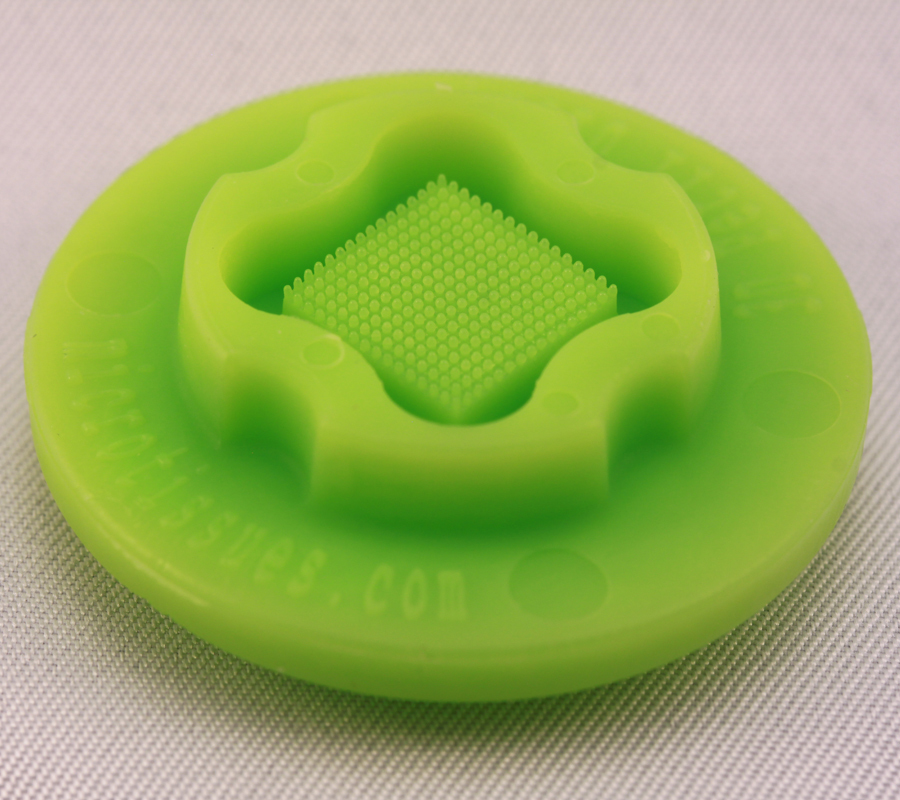
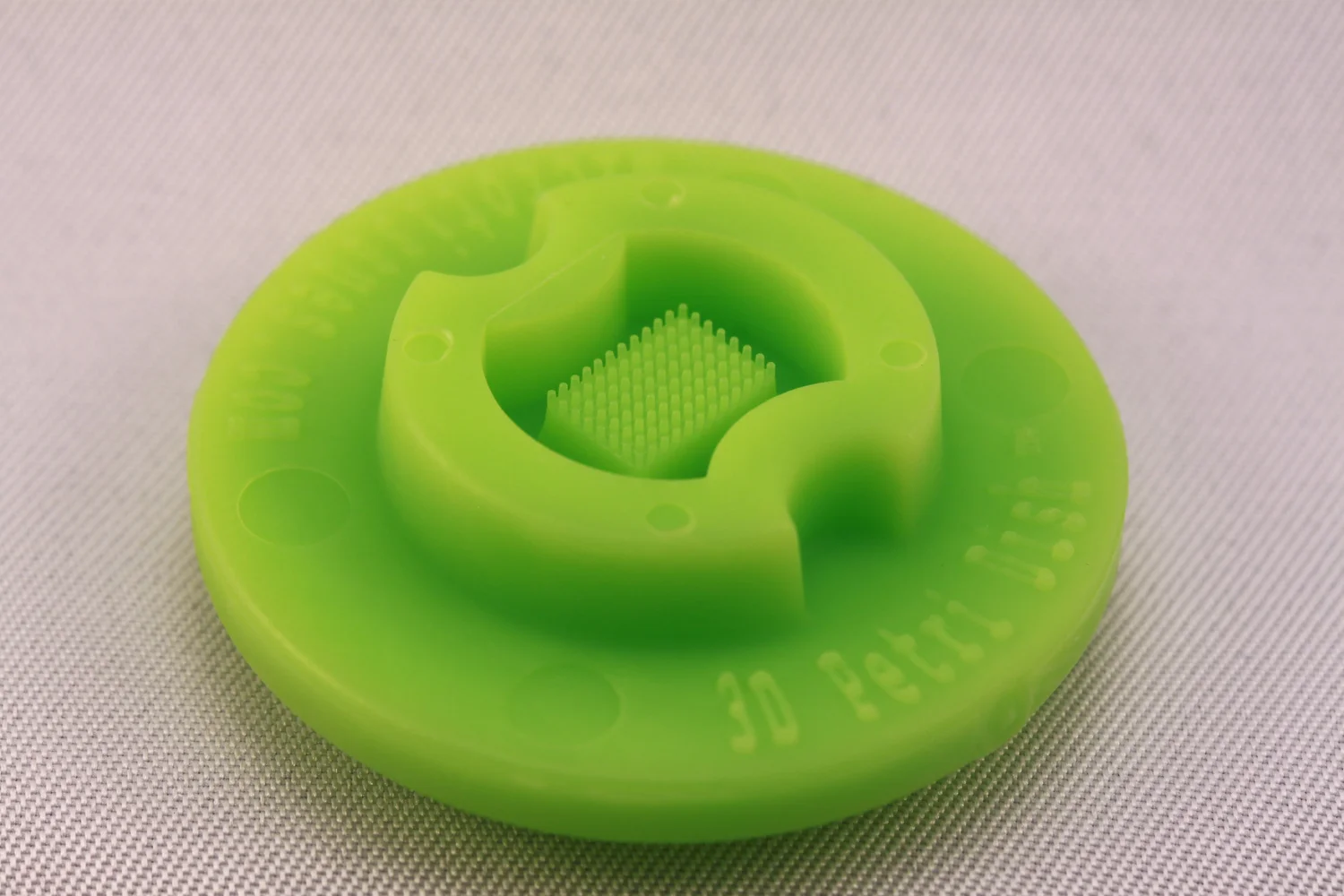
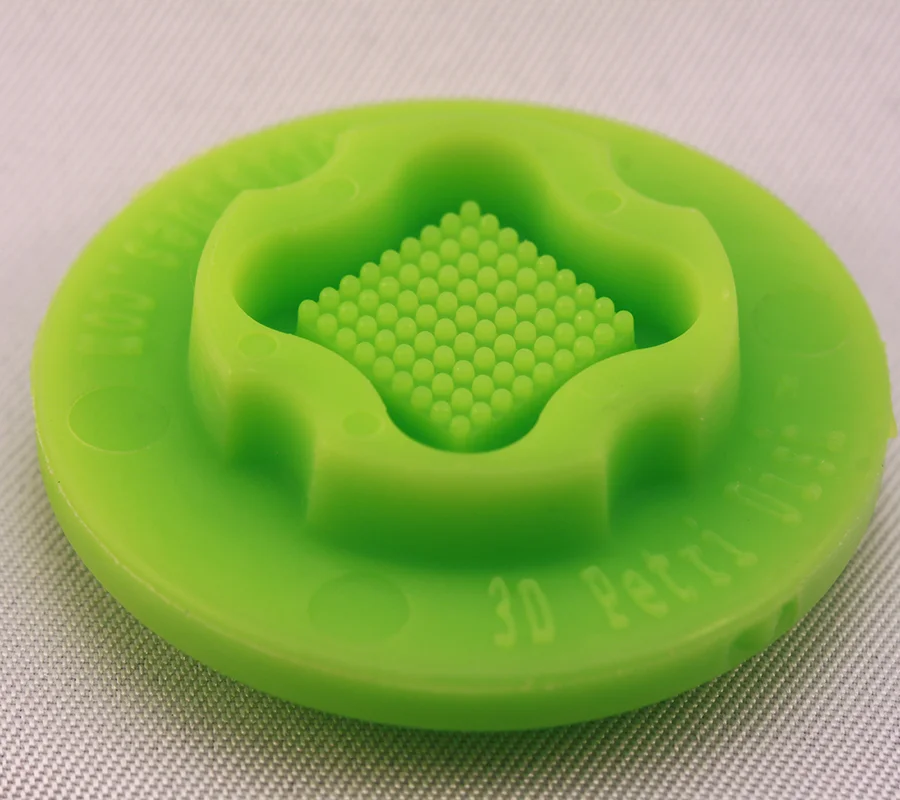
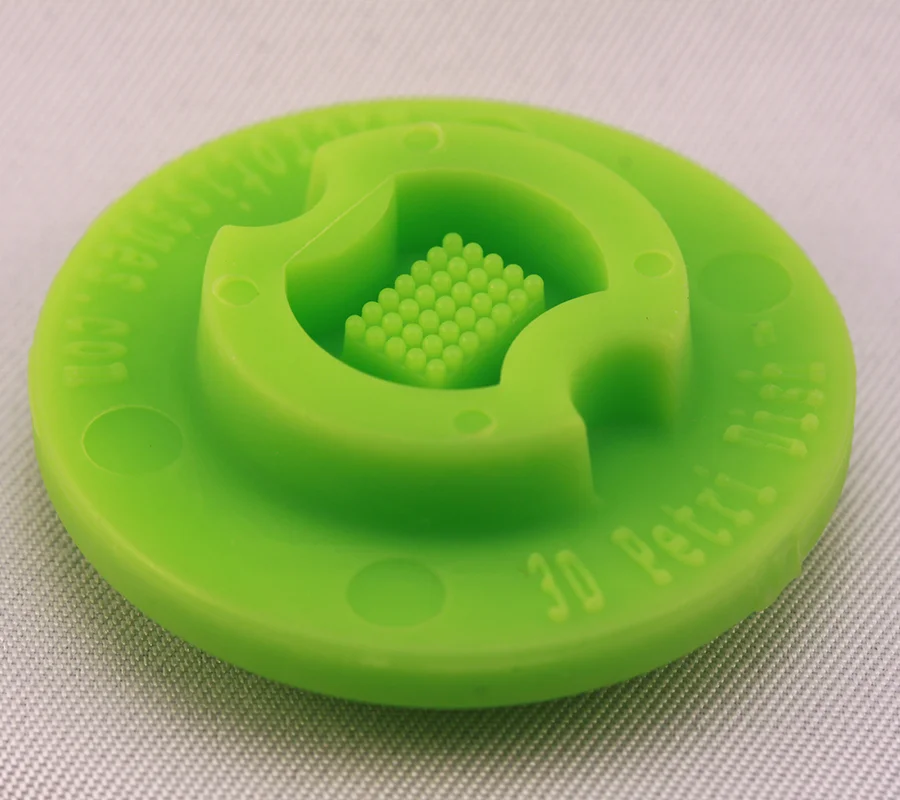
Published in Nature Biomedical Engineering (2020), this peer-reviewed study used 3D Petri Dish® micro-molds to form scaffold-free 3D microtissues. Full citation: Richards, Dylan J., et al. Human cardiac organoids for the modelling of myocardial infarction and drug cardiotoxicity
Human cardiac organoids for the modelling of myocardial infarction and drug cardiotoxicity
Research Overview
Environmental factors are the largest contributors to cardiovascular disease, yet most in vitro heart models focus on genetic causes. This study shows that human cardiac organoids incorporating an oxygen-diffusion gradient and stimulated with the neurotransmitter noradrenaline model the structure of the human heart after myocardial infarction, mimicking the infarcted, border, and remote zones.
The organoids recapitulated hallmarks of myocardial infarction — pathological metabolic shifts, fibrosis, and altered calcium handling — at the transcriptomic, structural, and functional levels, and also modeled hypoxia-enhanced doxorubicin cardiotoxicity. Organoids that model non-genetic disease factors could support drug screening and development.
Key Discoveries
- Oxygen-diffusion gradient plus noradrenaline reproduced infarcted, border, and remote zones of the post-MI heart
- Recapitulated metabolic shifts, fibrosis, and calcium-handling changes at transcriptomic, structural, and functional levels
- Modeled hypoxia-enhanced doxorubicin cardiotoxicity