Summary
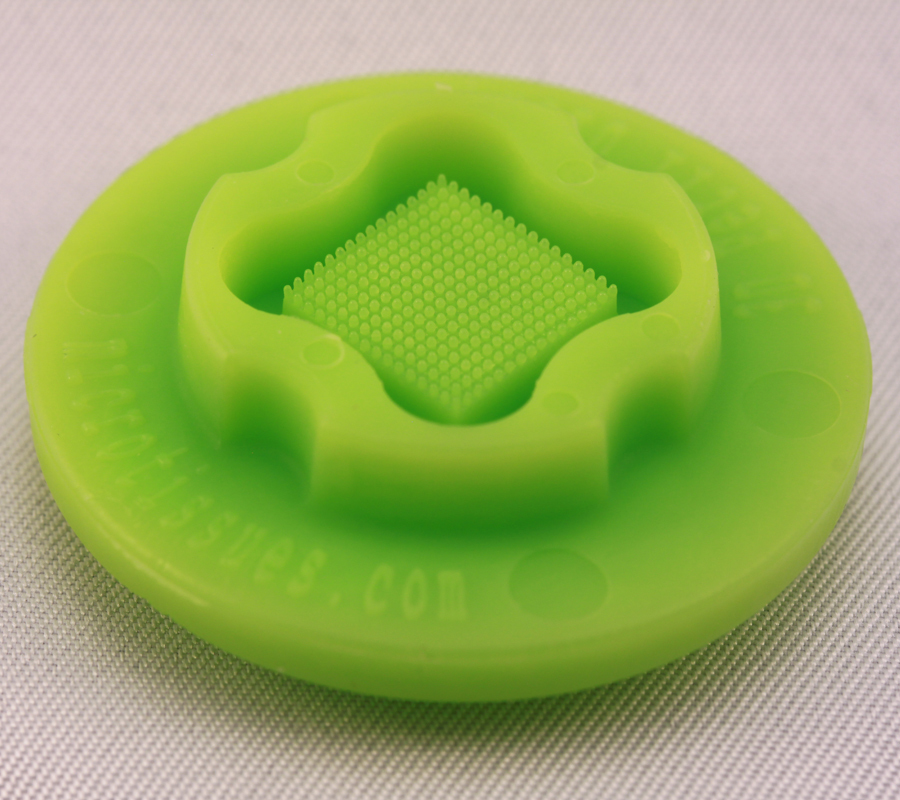
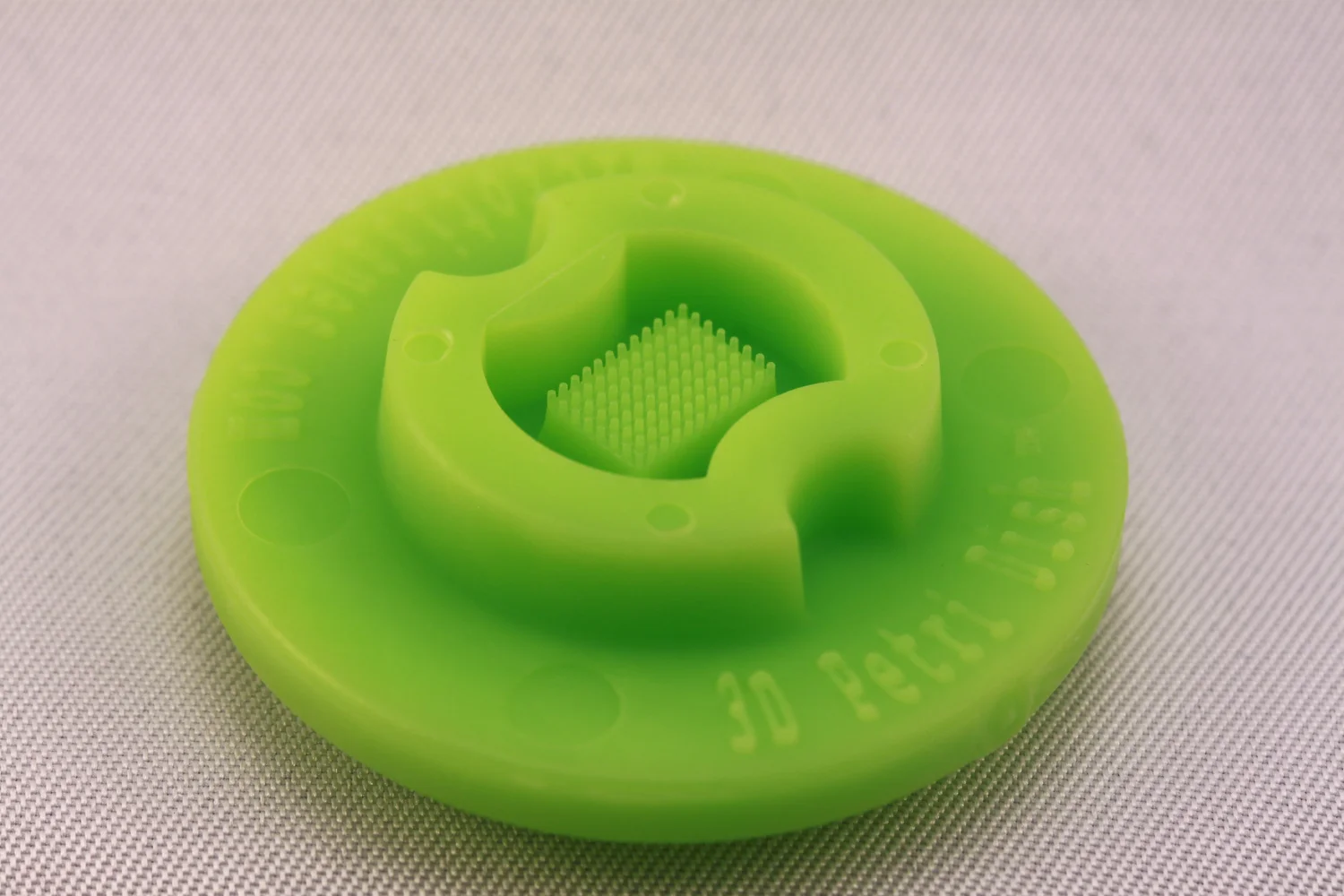
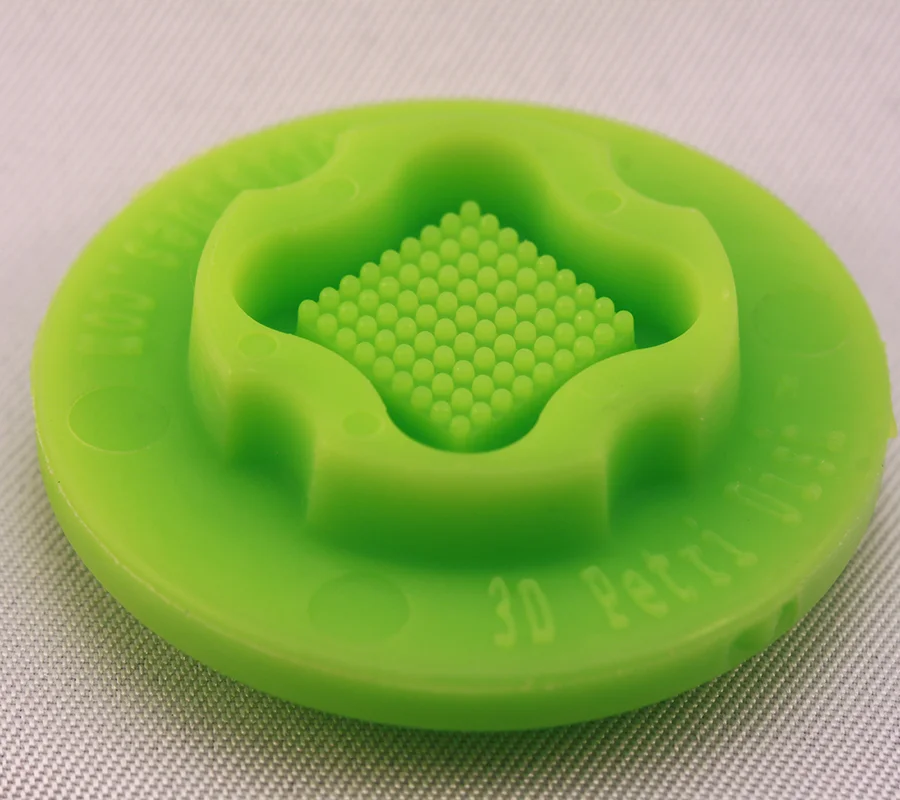
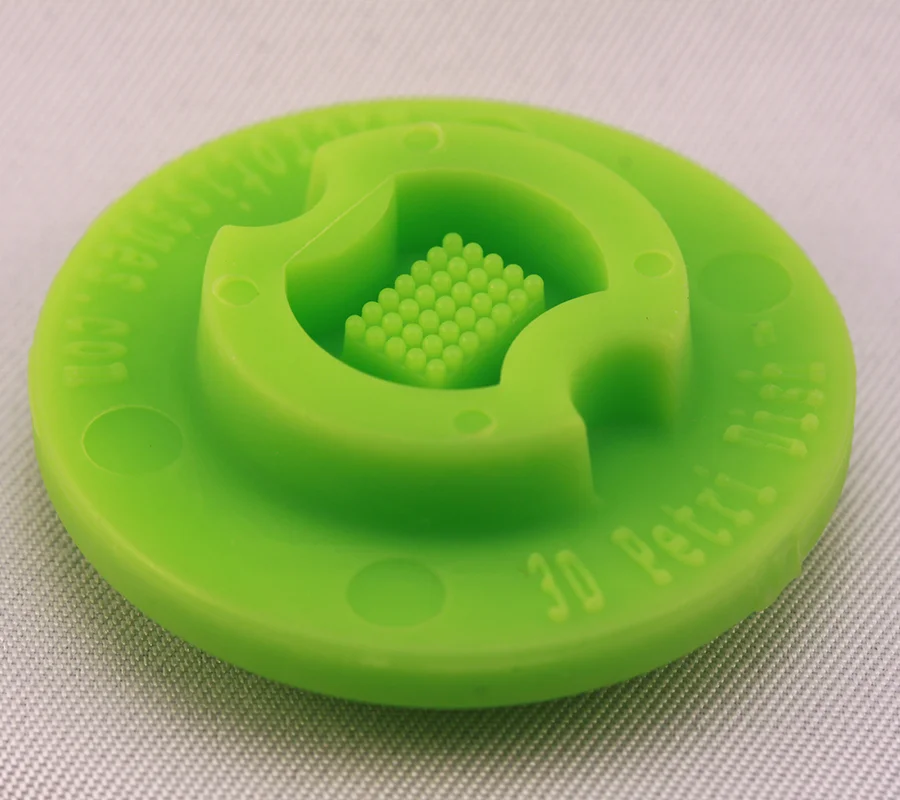
Published in Applied In Vitro Toxicology (2016), this peer-reviewed study used 3D Petri Dish® micro-molds to form scaffold-free 3D microtissues. Full citation: Jakubek, Lorin M., et al. Hepatic Spheroids for Long-Term Toxicity Studies
Hepatic Spheroids for Long-Term Toxicity Studies
Research Overview
Drug-induced liver injury is a leading cause of drug failure and market withdrawal, yet in vitro screening still relies on primary hepatocyte monolayers that lose their phenotype and metabolic function within days — a narrow experimental window that limits what assays can detect.
Hepatocyte spheroids avoid that decay: they develop structural polarity, functional bile canaliculi, and long-term viability. Because common spheroid formation methods lose cells, stress them, or demand special equipment, this study developed a rat primary hepatocyte spheroid system suited to pharmaceutical screening, capable of maintaining hepatic function over the long term.
Key Discoveries
- Primary hepatocyte spheroids retain polarity, bile canaliculi, and long-term viability lost by monolayers
- System designed to avoid the cell loss, stress, and equipment demands of other spheroid methods
- Extends the experimental window for long-term hepatotoxicity screening