Summary
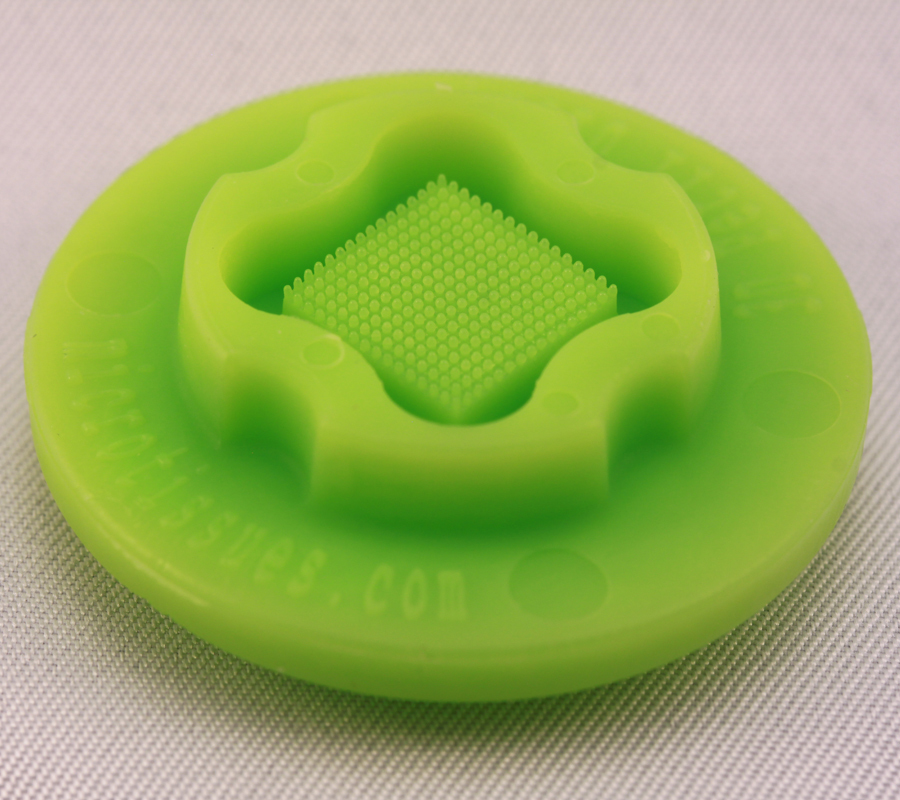
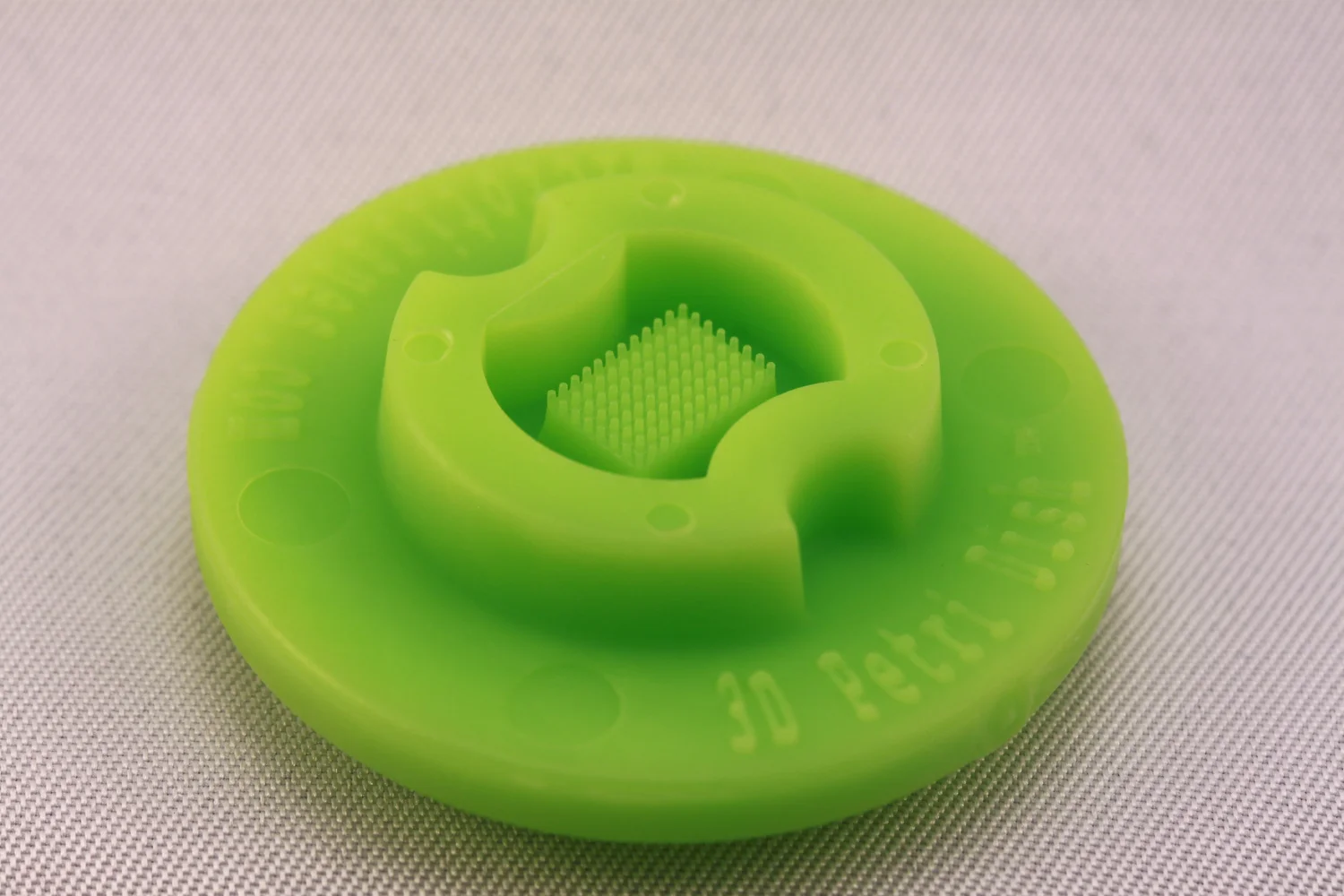
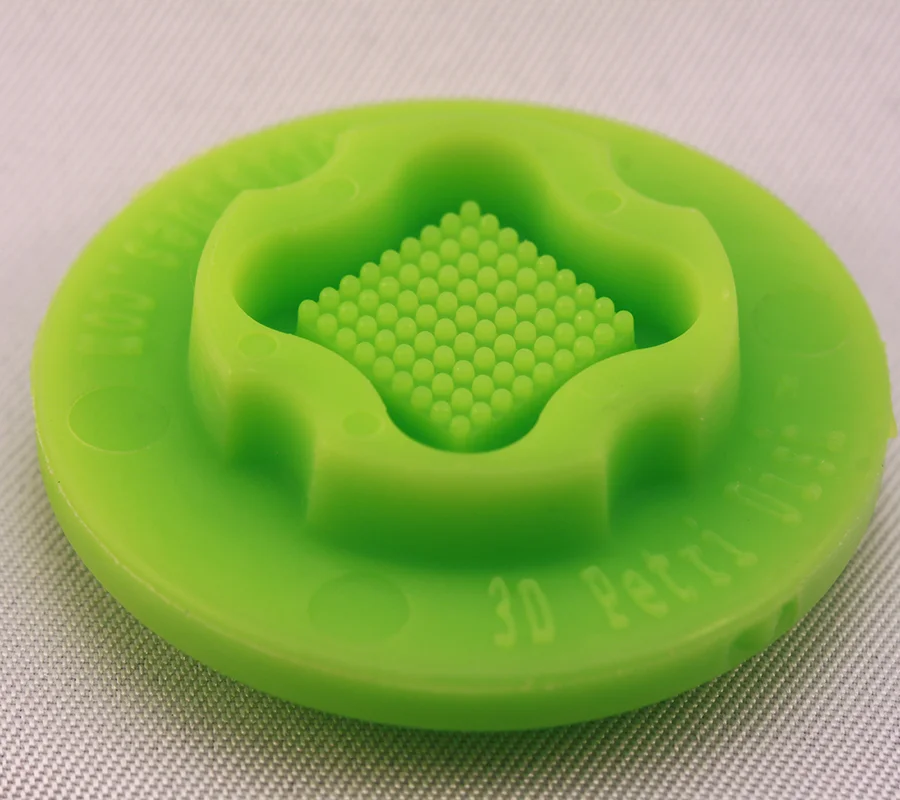
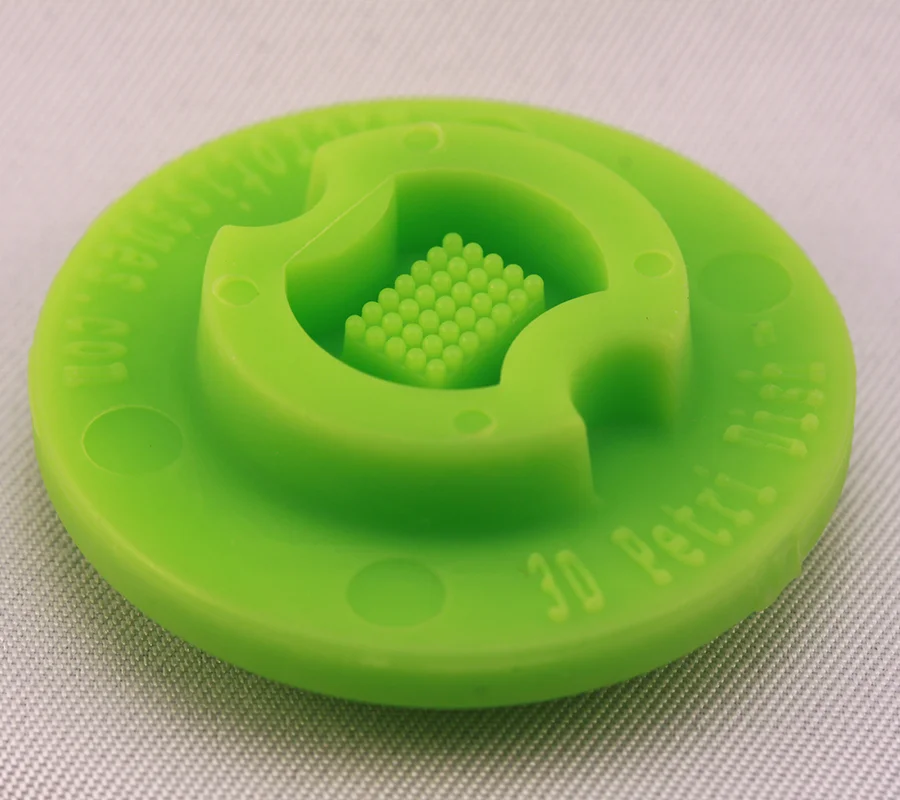
Published in Brain Research (2020), this peer-reviewed study used 3D Petri Dish® micro-molds to form scaffold-free 3D microtissues. Full citation: Durço, Daniela F.P.A., et al. Grafts of human adipose-derived stem cells into a biodegradable poly (acid lactic) conduit enhances sciatic nerve regeneration
Grafts of human adipose-derived stem cells into a biodegradable poly (acid lactic) conduit enhances sciatic nerve regeneration
Research Overview
The peripheral nervous system can regenerate, but injuries that remove a segment of nerve make functional recovery a genuine challenge. This work tested whether biodegradable poly(lactic acid) conduits combined with human adipose-derived stem cells improve regeneration of the sciatic nerve.
Mice underwent sciatic nerve transection followed by tubulization with a PLA conduit, then received either medium alone or human adipose-derived stem cells inside the conduit. Sensory and motor recovery were assessed by pinprick testing and electroneuromyography, and neuronal survival was measured by retrograde fluorogold tracing — giving both functional and anatomical readouts of repair.
Key Discoveries
- Biodegradable PLA conduits combined with human adipose-derived stem cells for nerve gap repair
- Sensory and motor recovery measured by pinprick test and electroneuromyography
- Neuronal survival quantified by retrograde fluorogold tracing