Summary
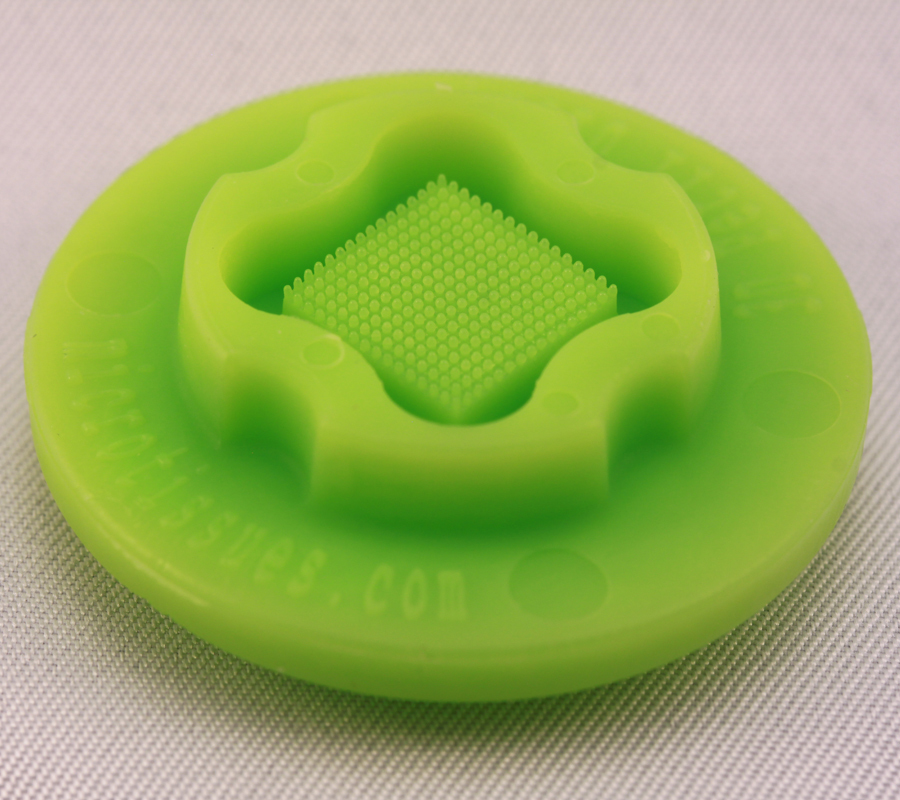
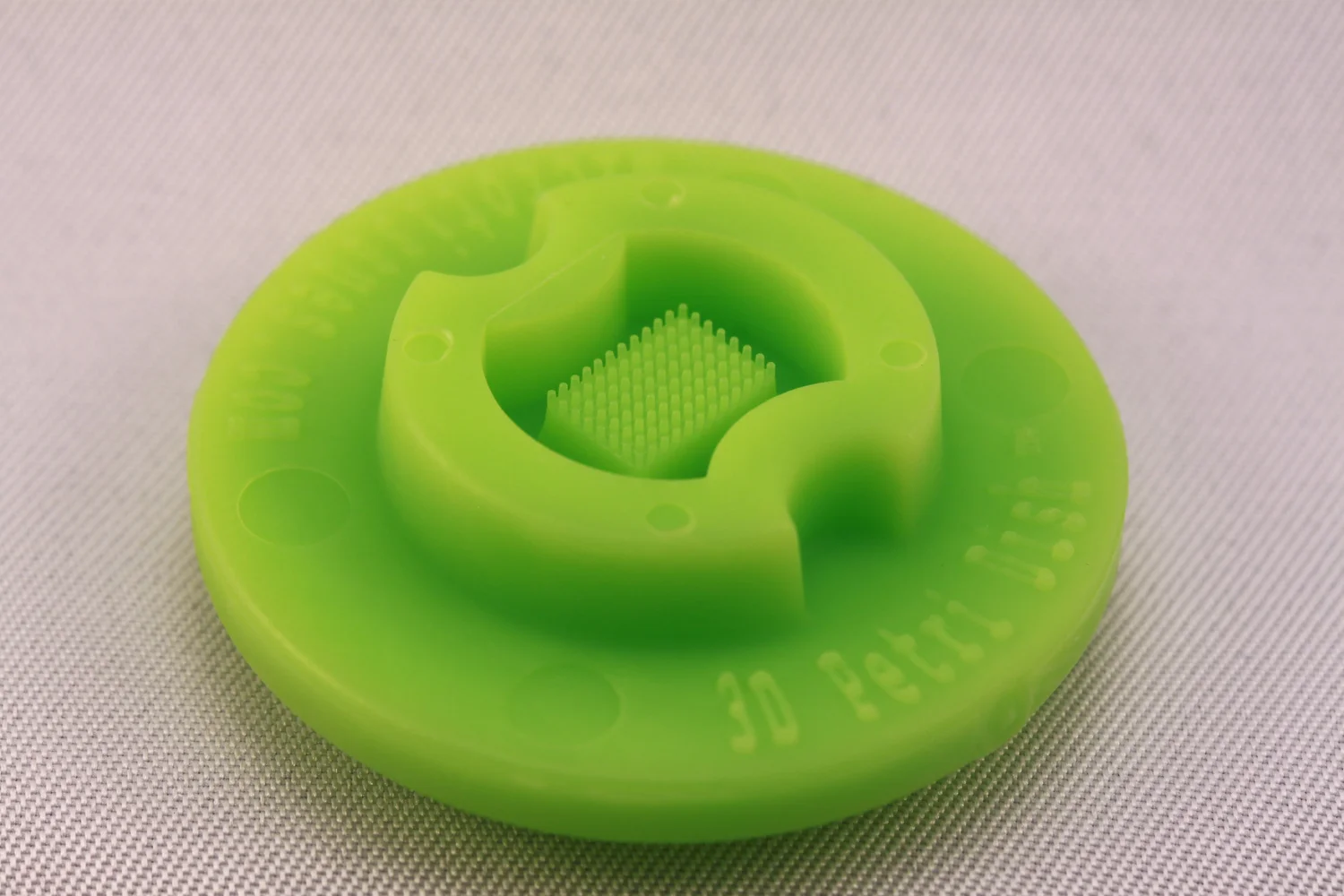
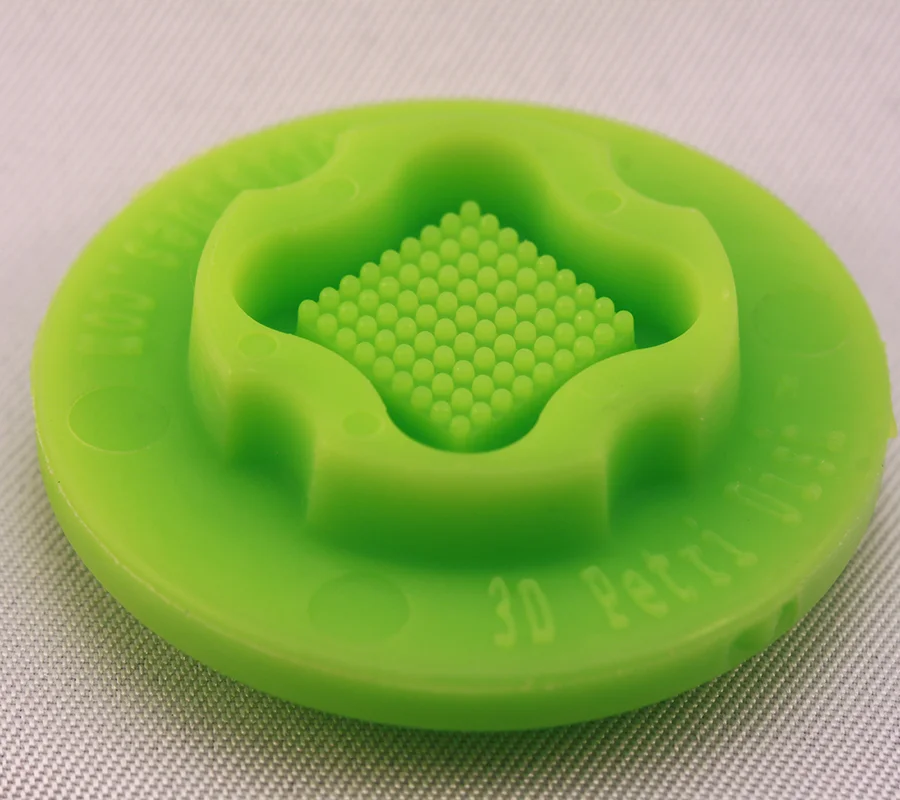
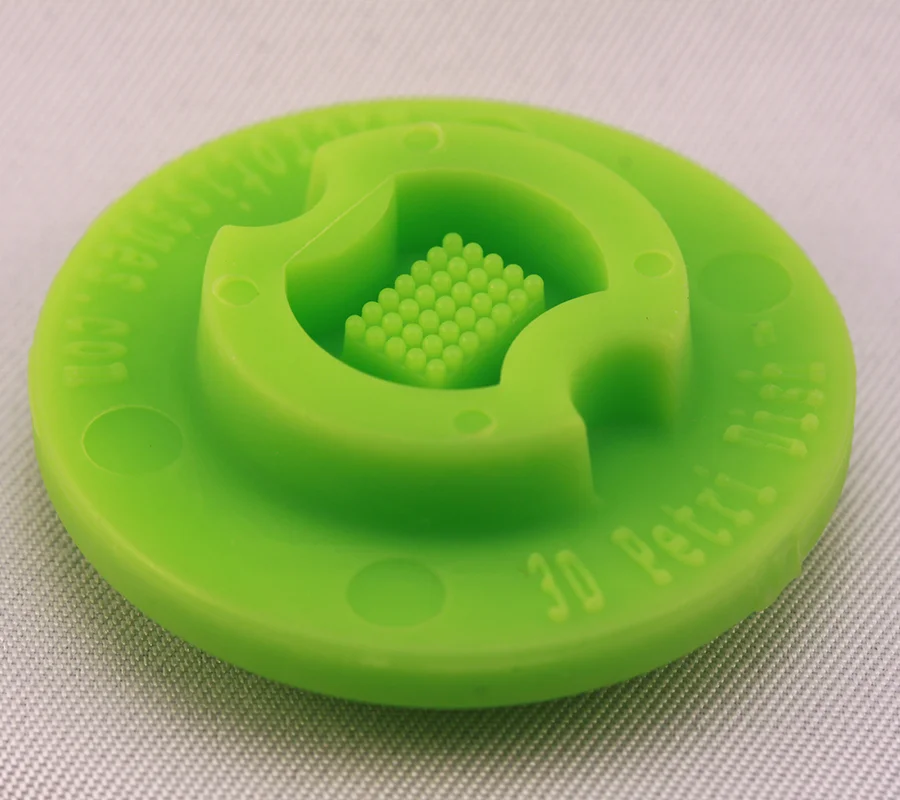
Published in Journal of Visualized Experiments (2019), this peer-reviewed study used 3D Petri Dish® micro-molds to form scaffold-free 3D microtissues. Full citation: Murphy, Alina R., et al. Generation of Multicellular Human Primary Endometrial Organoids
Generation of Multicellular Human Primary Endometrial Organoids
Research Overview
The endometrium is among the body’s most hormonally responsive tissues and is essential to pregnancy, yet models have been limited to single cell types — and endometrial epithelial cells neither propagate well nor keep their physiological traits in culture.
This study generated, for the first time, endometrial organoids containing both epithelial and stromal cells of the human endometrium. The organoids require no exogenous scaffold material and self-organize with a specific architecture in which epithelial cells encompass the spheroid — a scaffold-free, multicellular platform for studying endometrial biology and disease.
Key Discoveries
- First endometrial organoids containing both epithelial and stromal human cells
- Self-organize with epithelial cells enveloping the spheroid, no exogenous scaffold required
- Addresses the long-standing failure of endometrial epithelial cells to retain traits in culture