Summary
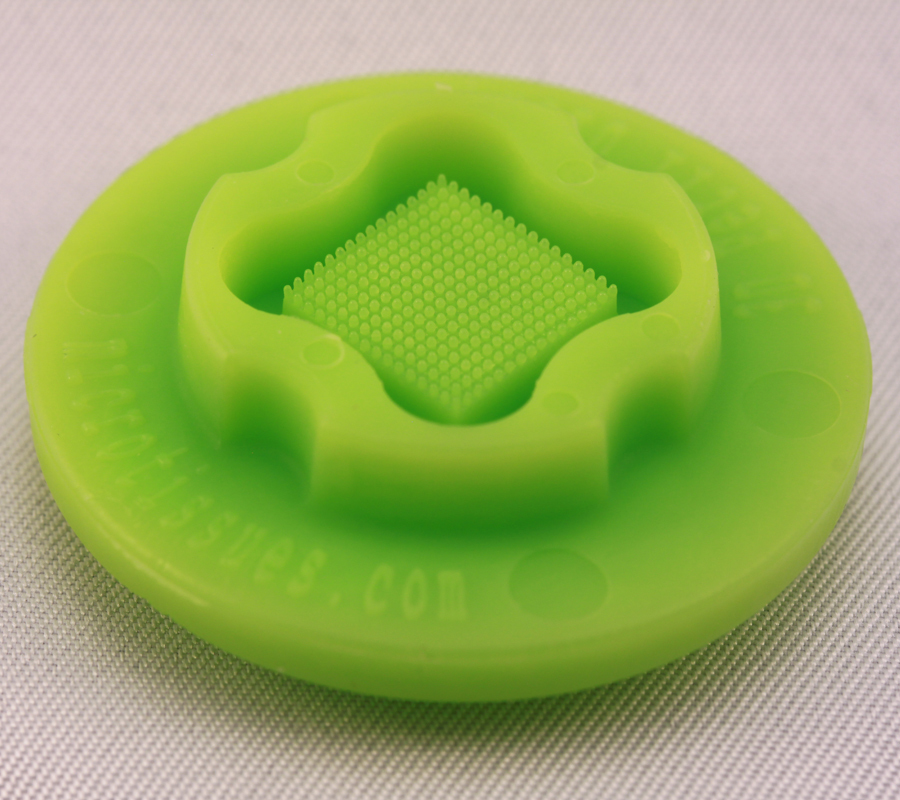
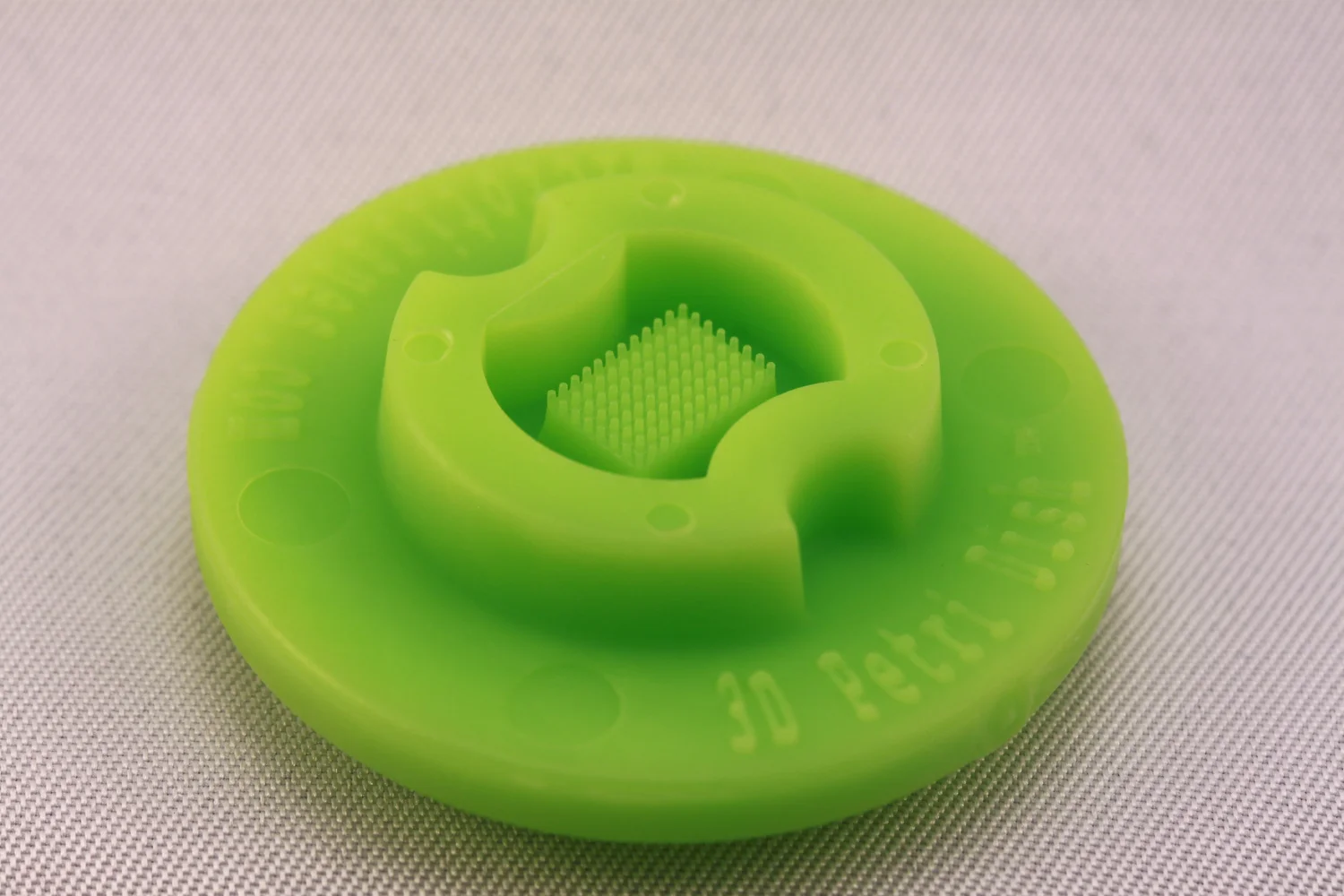
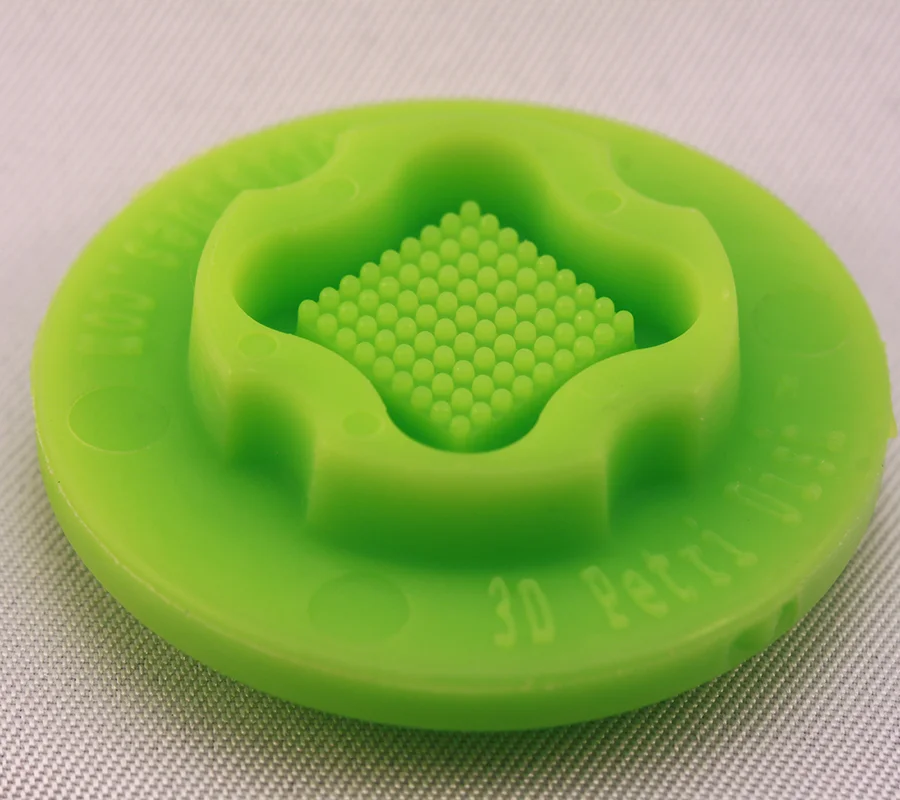
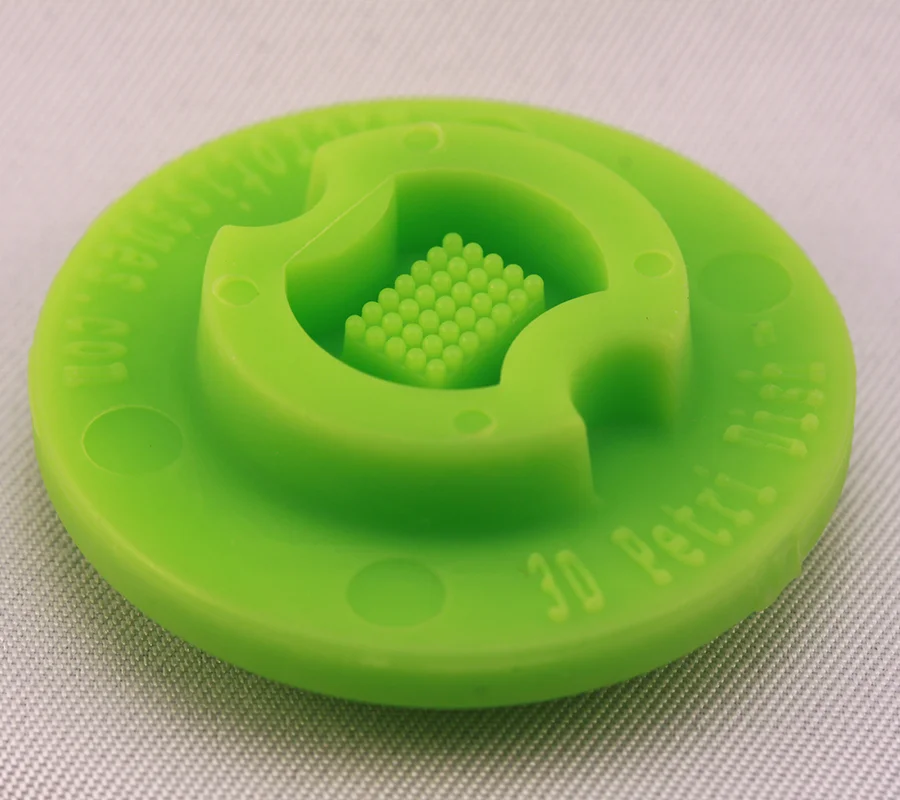
Published in Applied In Vitro Toxicology (2020), this peer-reviewed study used 3D Petri Dish® micro-molds to form scaffold-free 3D microtissues. Full citation: Messner, Catherine Jane, et al. Exosomal microRNAs Release as a Sensitive Marker for Drug-Induced Liver Injury In Vitro
Exosomal microRNAs Release as a Sensitive Marker for Drug-Induced Liver Injury In Vitro
Research Overview
In vitro liver models lack sensitive, well-established biomarkers of cell damage. MicroRNAs are promising because tissue damage changes the release of exosomal and protein-bound miRNAs into culture media. This study exposed 3D HepaRG liver cultures to methotrexate and acetaminophen and used qRT-PCR to test miRNAs as hepatotoxicity markers, focusing specifically on exosomal release.
Three miRNAs were examined: miR-122-5p and miR-192-5p, both associated with hepatic damage, and miR-34a-5p, involved in apoptosis — evaluating whether exosomal miRNA release offers an earlier or more sensitive readout of drug-induced liver injury than conventional assays.
Key Discoveries
- 3D HepaRG liver cultures exposed to methotrexate and acetaminophen
- Exosomal release of miR-122-5p, miR-192-5p, and miR-34a-5p assessed by qRT-PCR
- Targets a sensitive in vitro biomarker for drug-induced liver injury