Summary
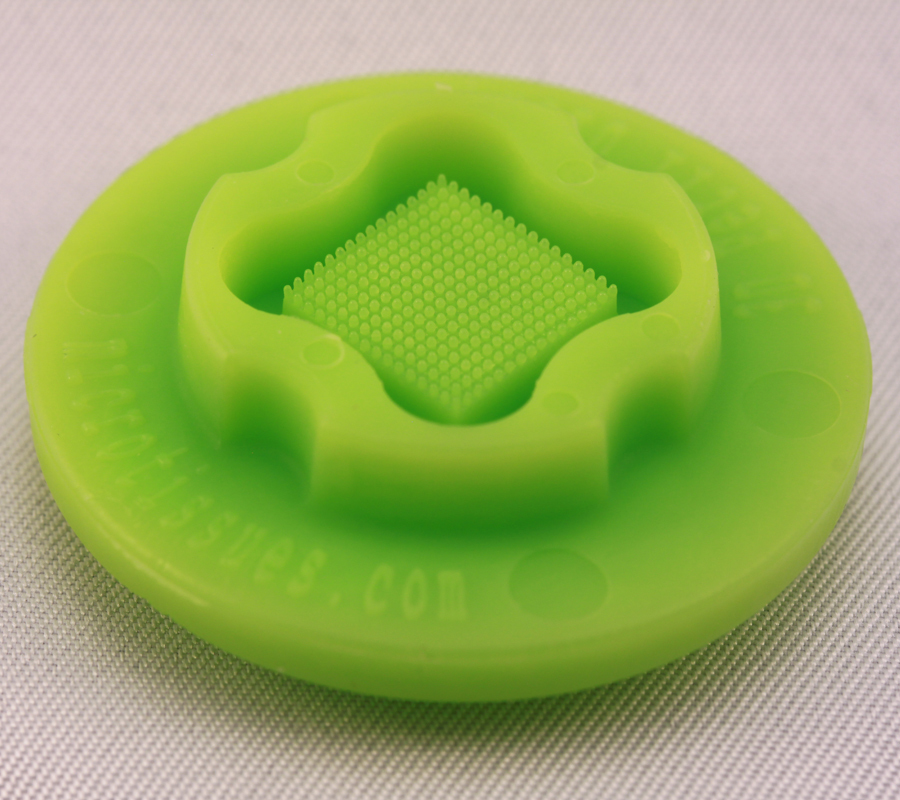
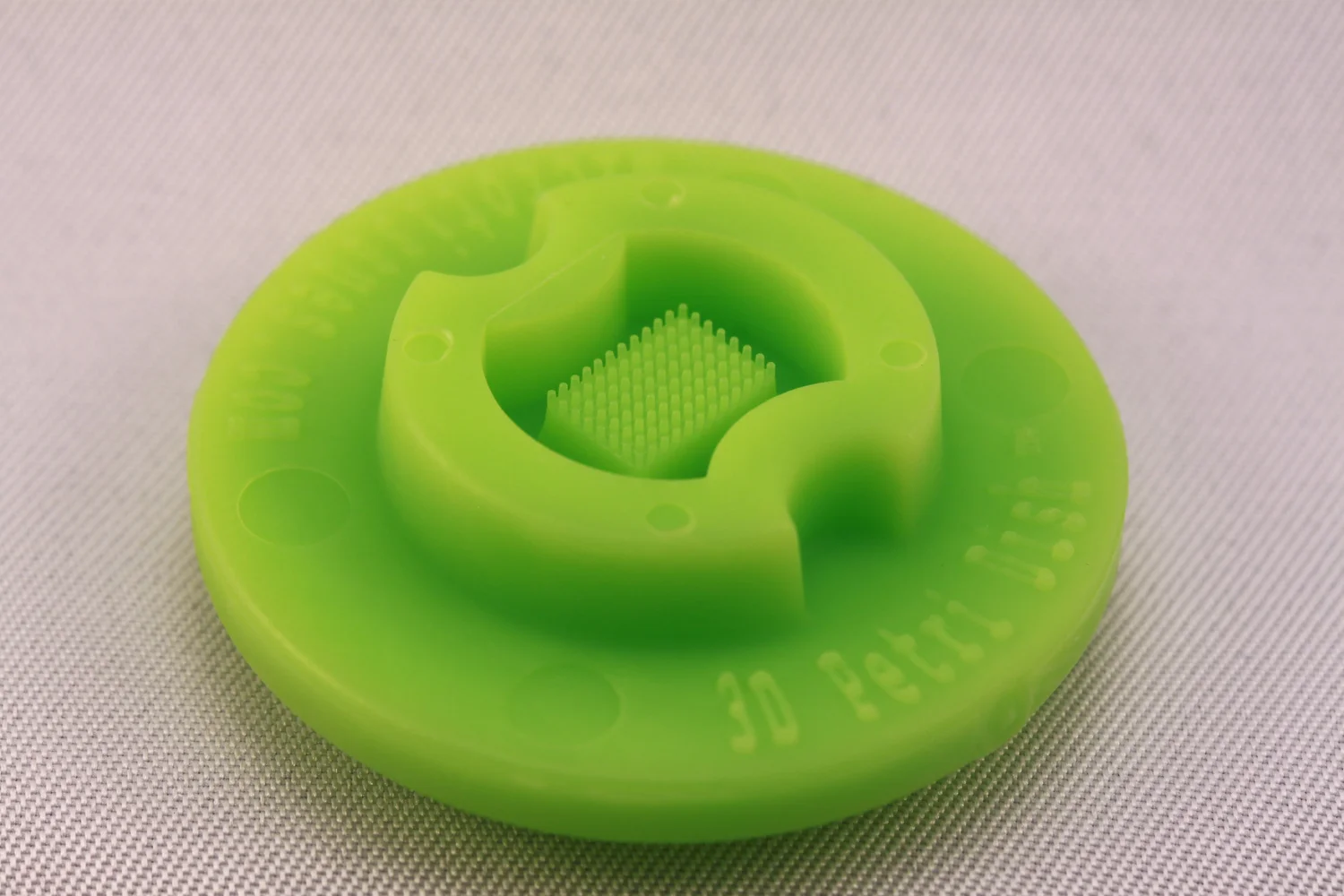
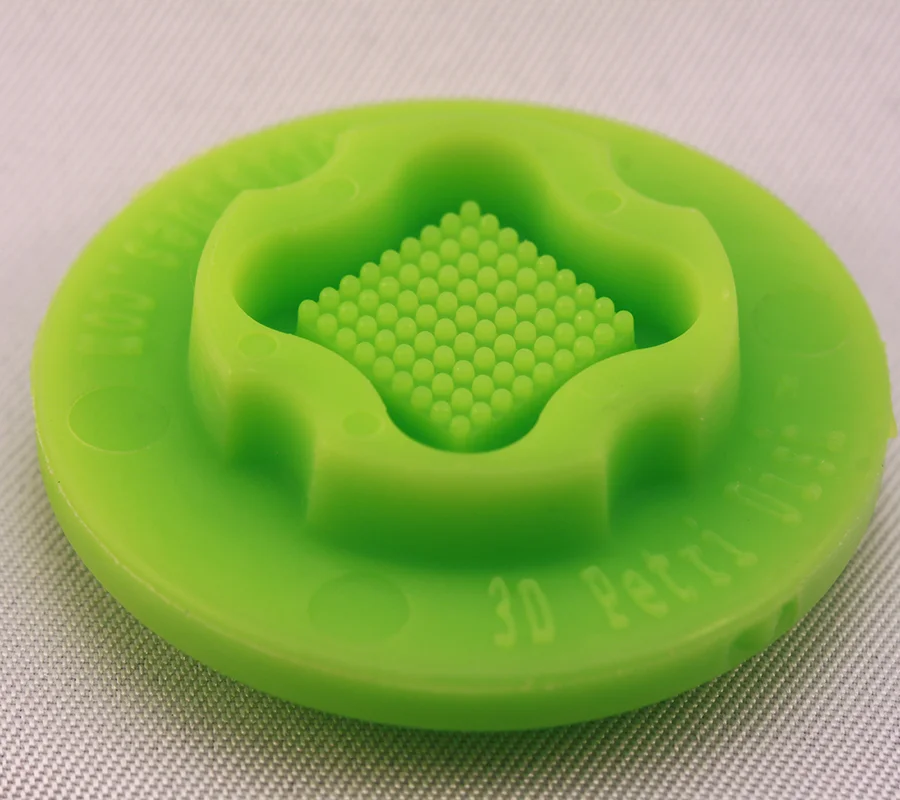
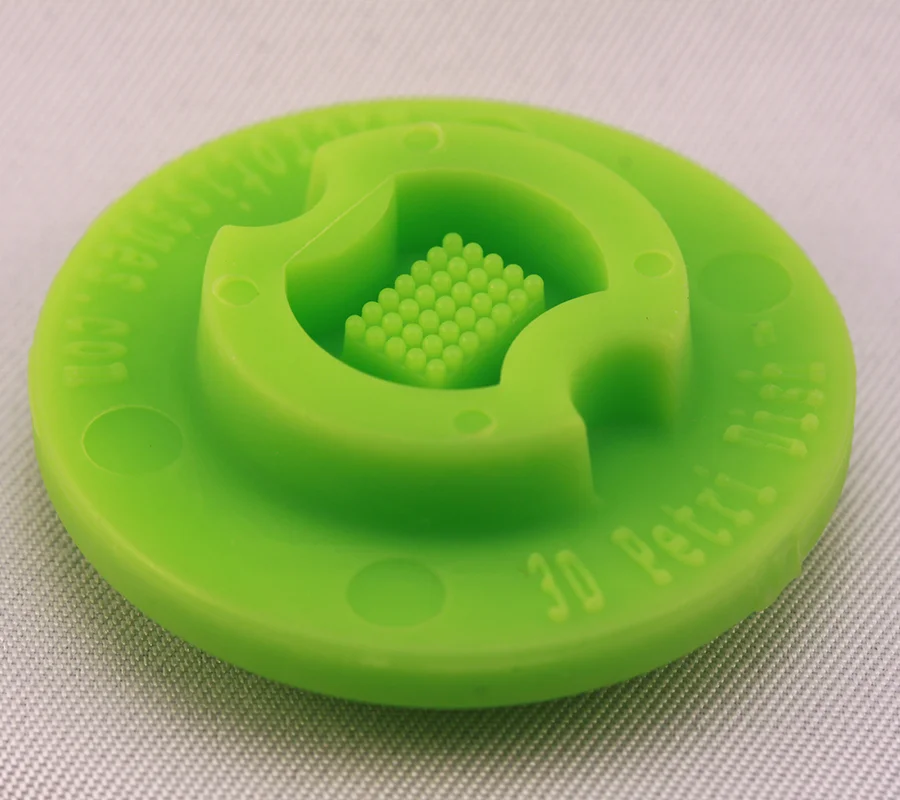
Published in Toxicology Letters (2025), this study establishes a two-chamber liver-organ co-culture system in a higher-throughput 96-well format for evaluating toxicity in the presence of physiological hepatic metabolism. Using 3D Petri Dish® micro-molds to generate uniform hepatic microtissues, the platform enables assessment of androgenic responses from endocrine-disrupting chemicals (EDCs) while maintaining metabolic competence.
Establishing scientific confidence in a two-chamber co-culture system to evaluate androgenic response in the presence of hepatic metabolism
Research Overview
Building on a two-chamber liver-target organ co-culture in 96-well format, this study set out to establish scientific confidence in the system. The earlier proof of concept used HepaRG liver microtissues in 3D with AR-CALUX reporter cells and showed that human liver metabolism significantly reduced testosterone-mediated androgen receptor responses.
Here the authors incorporated alternate androgen receptor reporter cell systems as the target tissue and tested additional androgenic compounds, with the system producing concordant metabolism-dependent changes — evidence that the platform is a flexible, robust tool for capturing endocrine responses in the presence of physiologically relevant human hepatic metabolism.
Key Discoveries
- Higher-throughput toxicity screening — The two-chamber co-culture model was established in a 96-well format, significantly increasing throughput for endocrine-disrupting chemical (EDC) risk assessment compared to existing approaches.
- Maintained hepatic metabolism — The system successfully maintains hepatic function throughout the co-culture period, enabling target tissue assessment in the presence of physiologically relevant drug metabolism.
- Physiological prostate-liver crosstalk — The 3D prostate models reflect physiologically relevant prostate epithelial and stromal crosstalk, advancing current androgen assessment beyond traditional 2D screening methods.
- Validated for androgenic response — The platform was developed and validated for evaluating androgenic responses, demonstrating reliable assessment of endocrine-disrupting potential with metabolic competence.