Summary
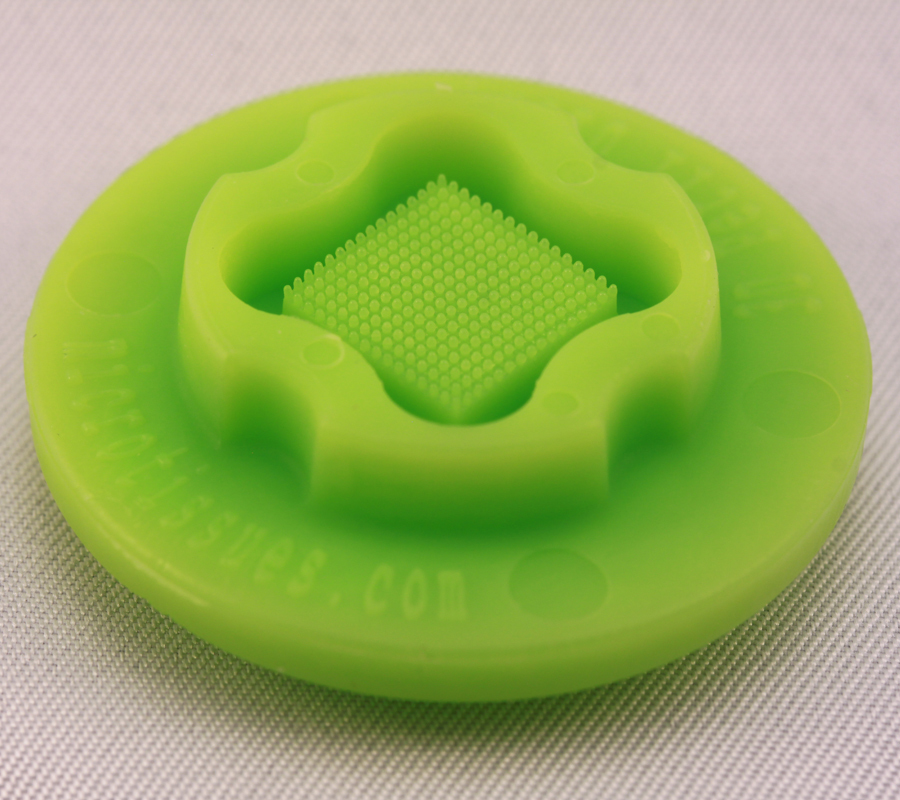
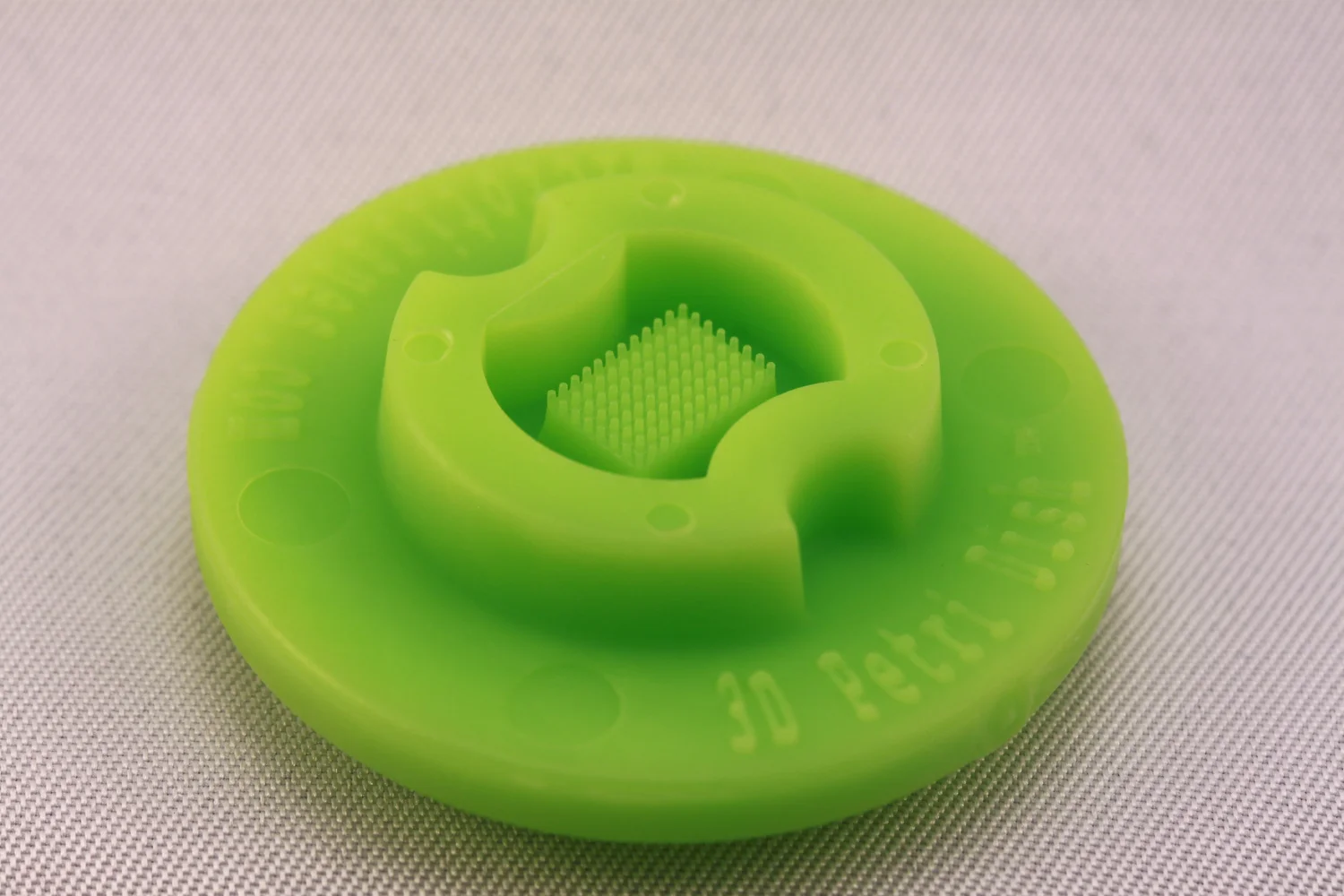
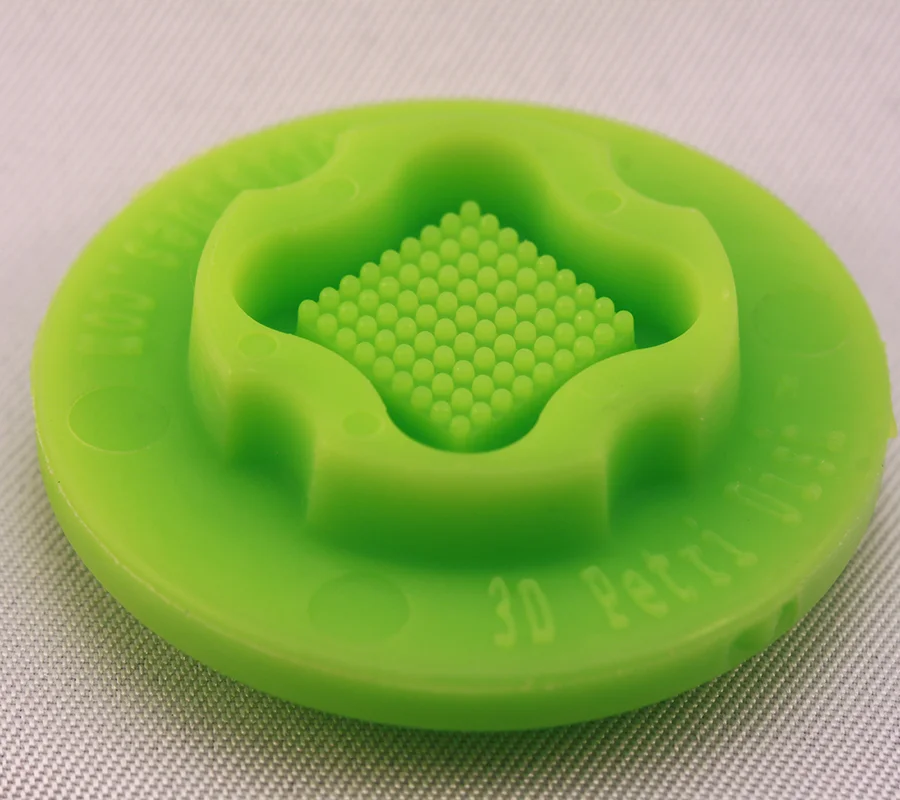
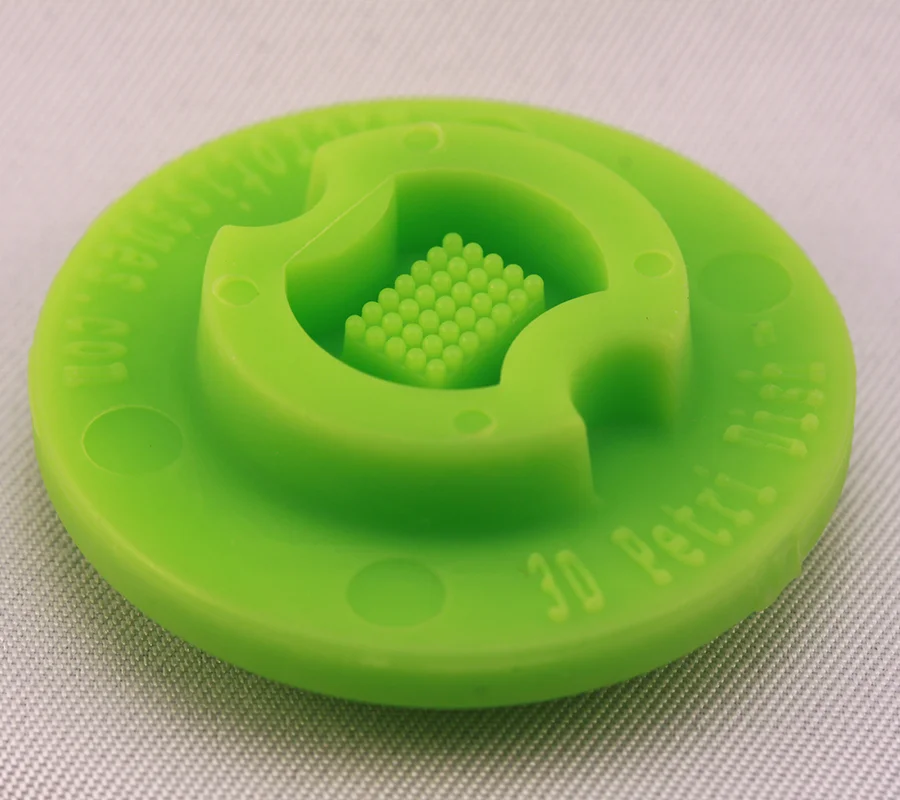
Published in Journal of Tissue Engineering (2021), this peer-reviewed study used 3D Petri Dish® micro-molds to form scaffold-free 3D microtissues. Full citation: Jeong, Wonwoo, et al. Effect of detergent type on the performance of liver decellularized extracellular matrix-based bio-inks
Effect of detergent type on the performance of liver decellularized extracellular matrix-based bio-inks
Research Overview
Decellularized extracellular matrix bio-inks (dECM bio-inks) have drawn attention for bioprinting because they confer tissue-specific function while remaining 3D-printable. Detergent type is the single most important factor in decellularization, yet its effect on bio-ink performance had been unclear.
This study characterized porcine liver-derived dECM bio-inks prepared with widely used detergents: sodium dodecyl sulfate (SDS), sodium deoxycholate (SDC), Triton X-100 (TX), and Triton X-100 with ammonium hydroxide (TXA). SDS and SDC severely damaged glycosaminoglycans and elastin, TX gave the lowest rate of decellularization, and the TXA-based bio-ink retained the highest ECM content.
Key Discoveries
- Compared SDS, SDC, Triton X-100, and Triton X-100 + ammonium hydroxide for liver dECM bio-inks
- SDS and SDC severely damaged glycosaminoglycan and elastin proteins
- TXA-based dECM bio-ink retained the highest ECM content; TX alone decellularized slowest