Summary
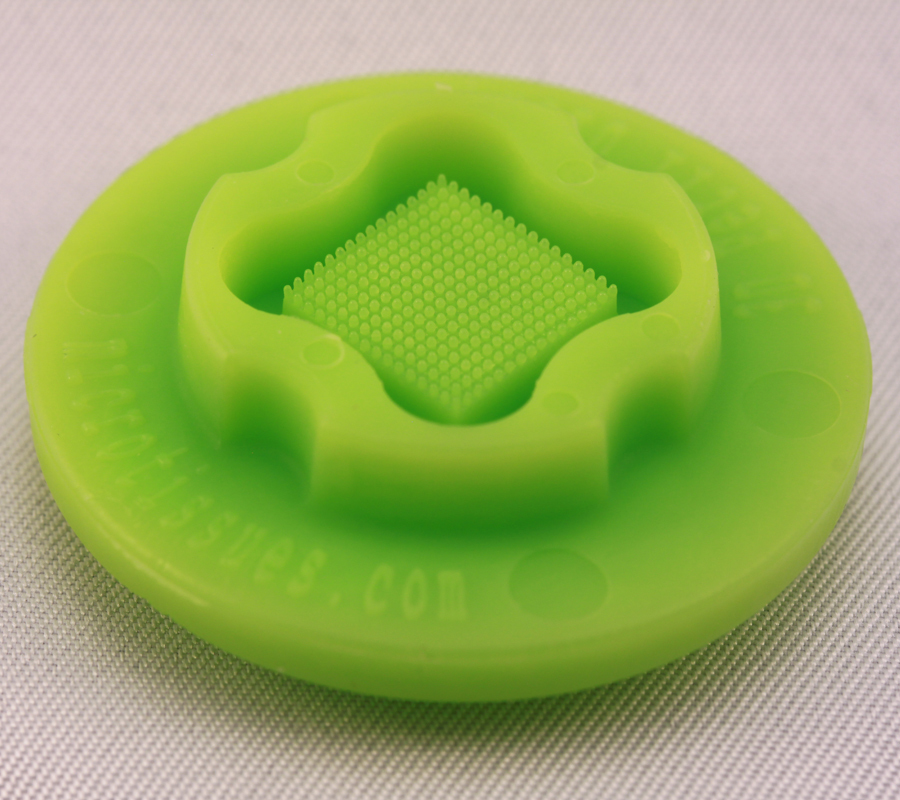
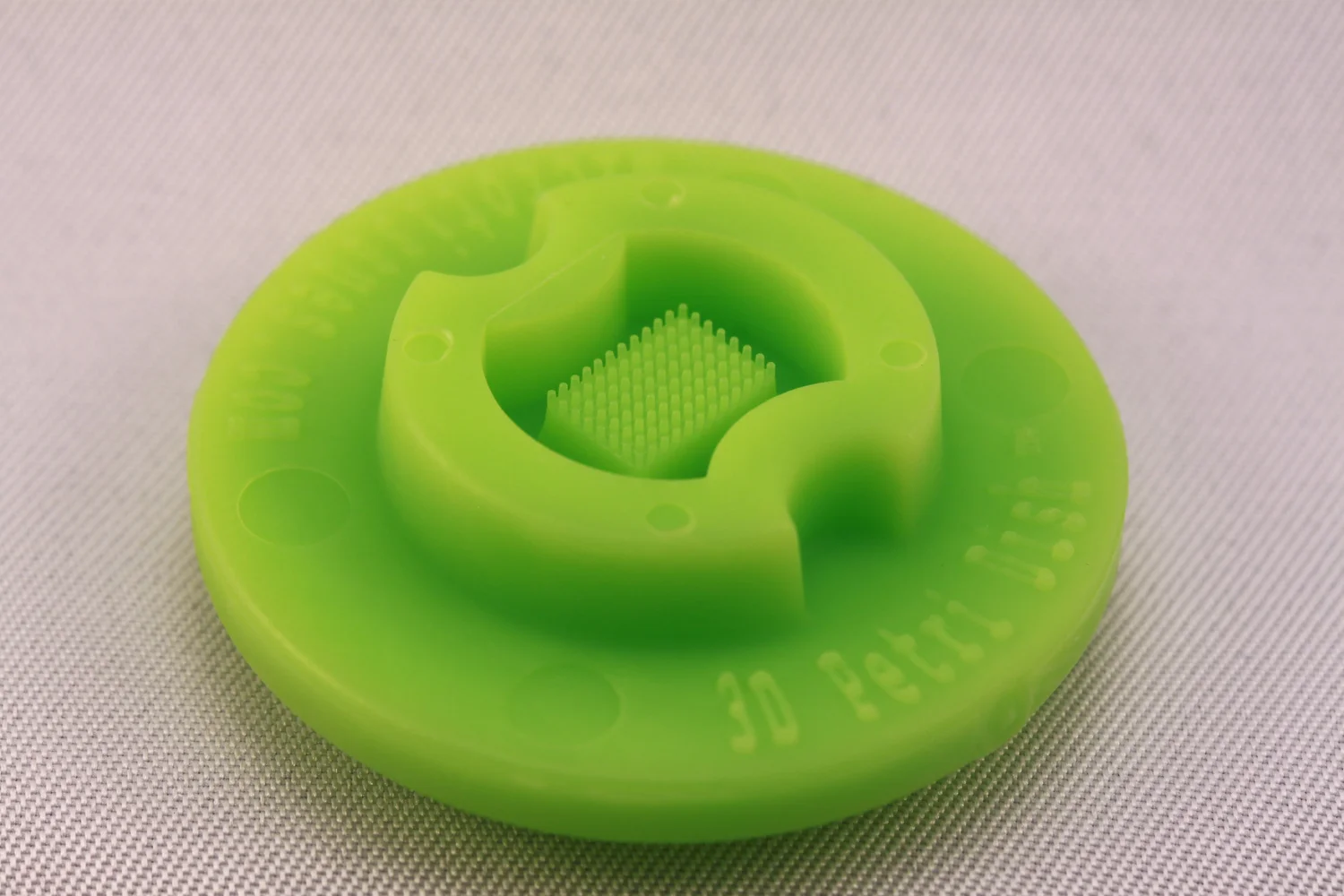
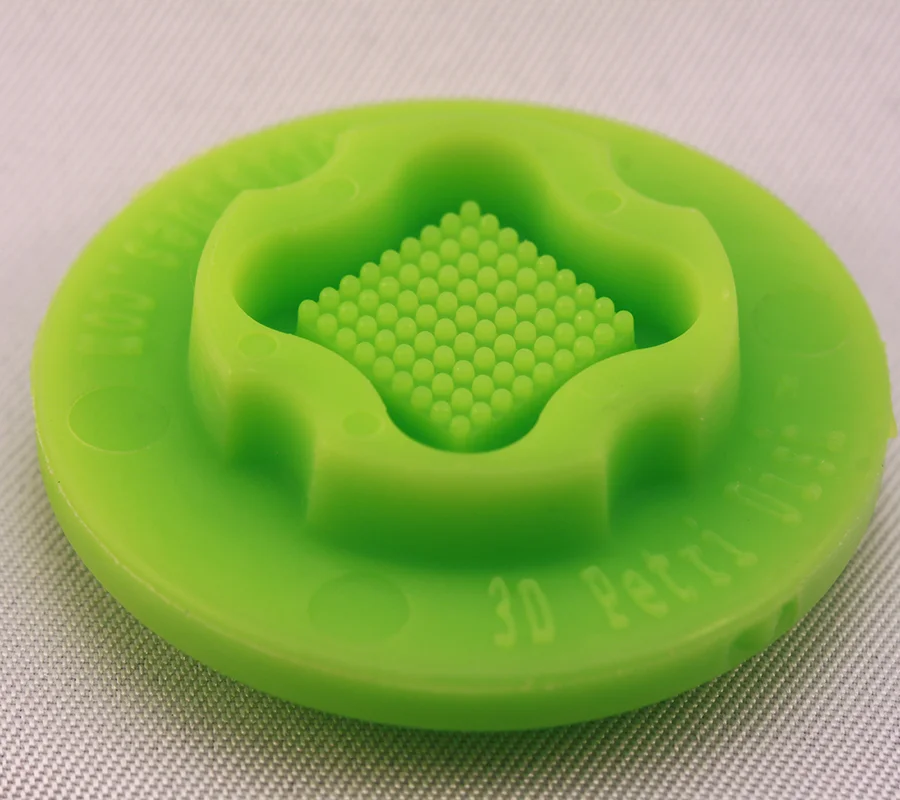
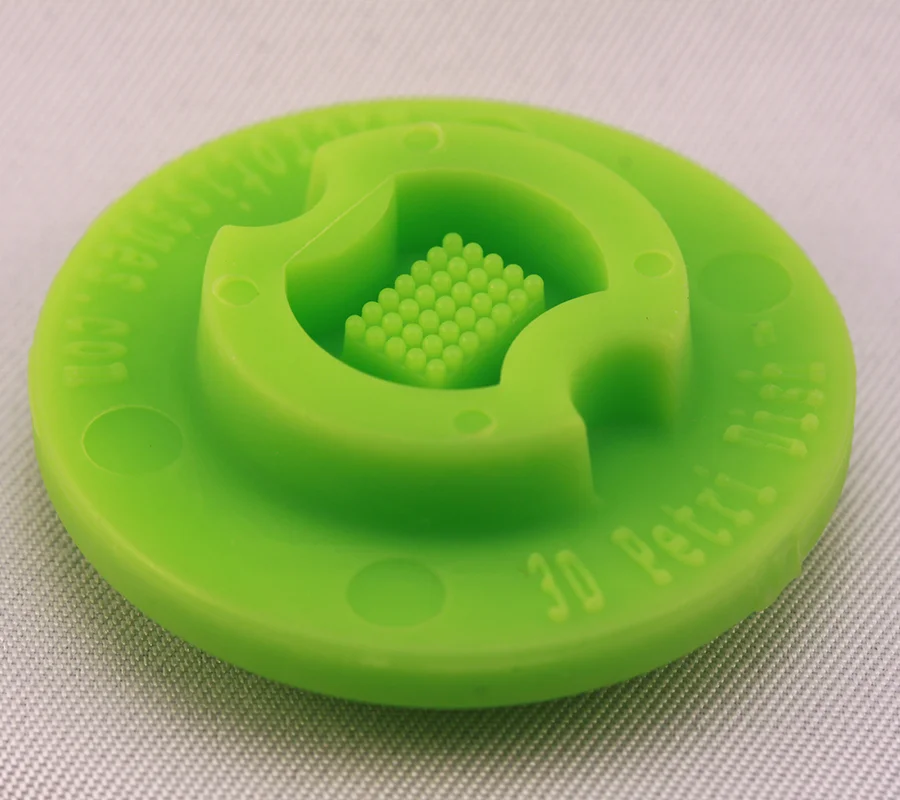
Published in PLOS ONE (2016), this peer-reviewed study used 3D Petri Dish® micro-molds to form scaffold-free 3D microtissues. Full citation: Silva, Karina R., et al. Delivery of Human Adipose Stem Cells Spheroids into Lockyballs
Delivery of Human Adipose Stem Cells Spheroids into Lockyballs
Research Overview
Adipose stem cell spheroids regenerate better than single cells, but retaining and integrating them at an implantation site is difficult. This study paired spheroids with ‘lockyballs’ — interlockable solid synthetic microscaffolds bearing hooks and loops, produced by two-photon polymerization with characterized Young’s modulus — designed to hold cells in place and support spheroid aggregation after transplantation.
The authors present an efficient methodology for biofabricating human adipose stem cell spheroids in micro-molded nonadhesive agarose hydrogel and cellularizing the lockyballs with them, combining scaffold-free spheroid biology with a mechanical carrier for delivery.
Key Discoveries
- Human adipose stem cell spheroids biofabricated in micro-molded nonadhesive agarose hydrogel
- Two-photon-polymerized 'lockyball' microscaffolds with hooks and loops cellularized with spheroids
- Approach targets long-term cell retention and integration at the implantation site