Summary
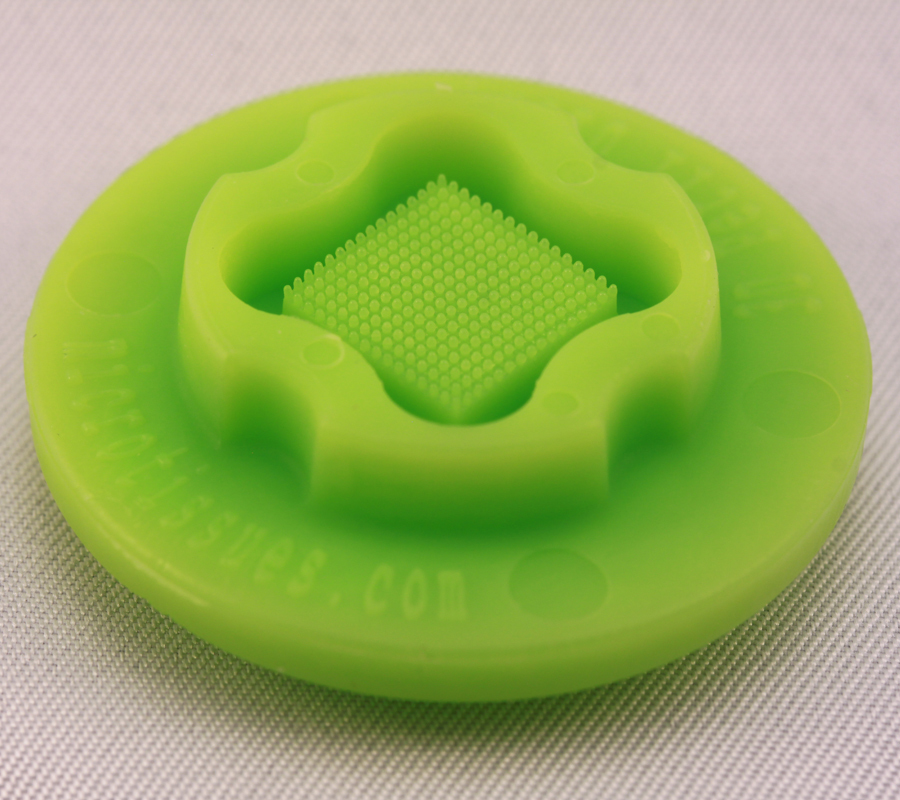
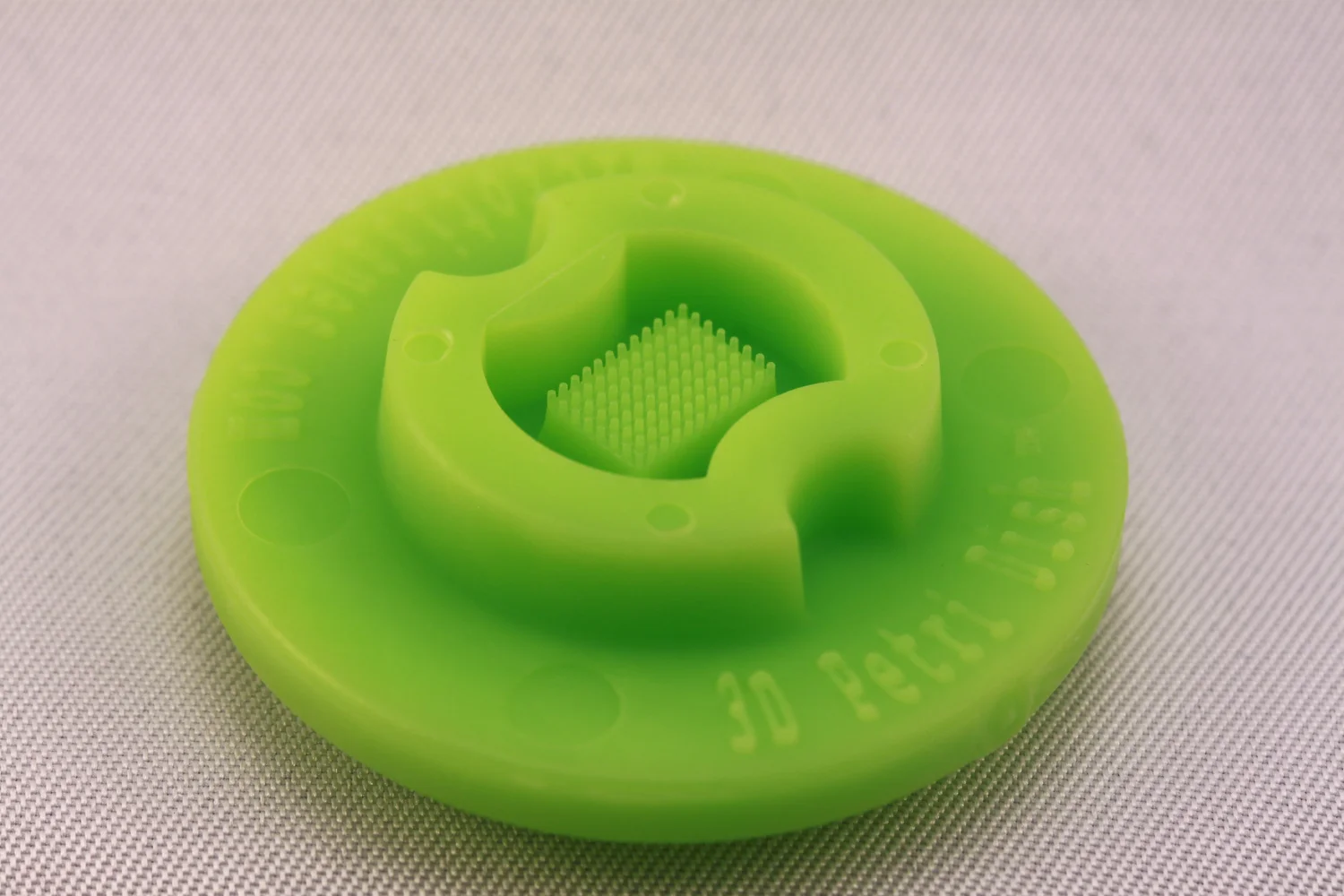
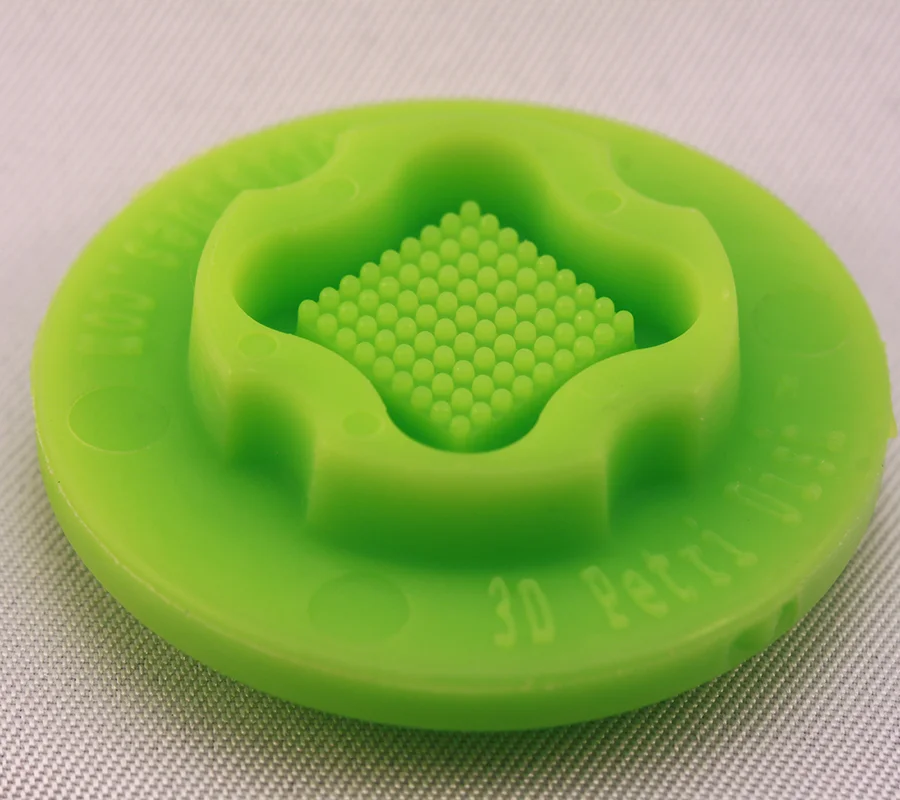
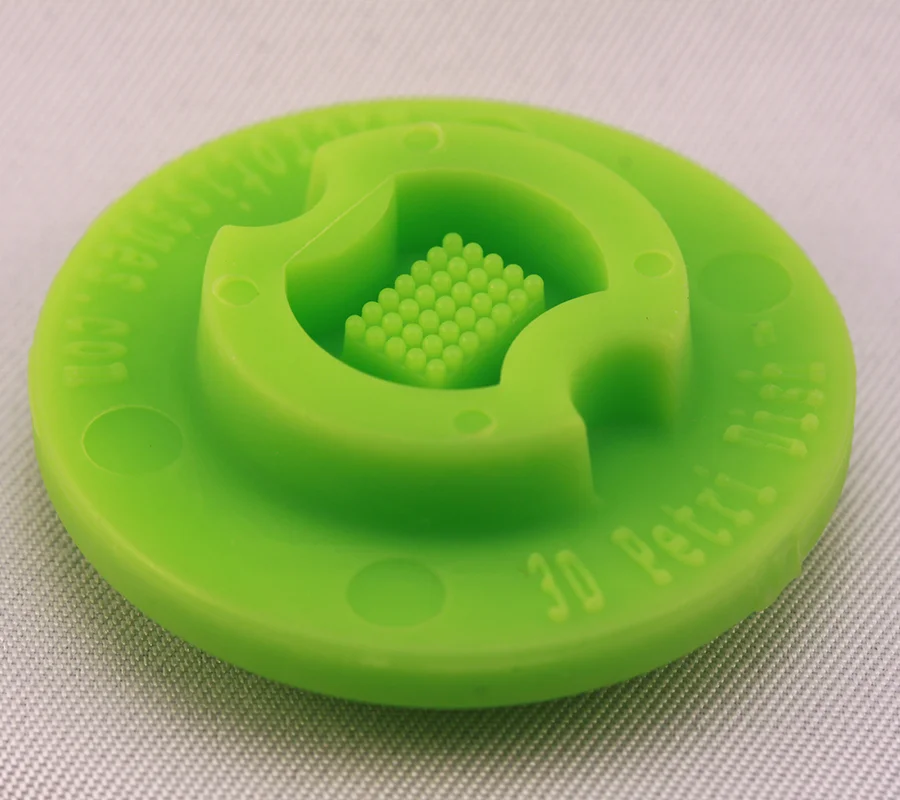
Published in ACS Applied Materials & Interfaces (2023), this peer-reviewed study used 3D Petri Dish® micro-molds to form scaffold-free 3D microtissues. Full citation: Bissoyi, Akalabya, et al. Cryopreservation of Liver-Cell Spheroids with Macromolecular Cryoprotectants
Cryopreservation of Liver-Cell Spheroids with Macromolecular Cryoprotectants
Research Overview
Spheroids can reduce or replace animal studies, but unlike cell lines they are rarely banked or shared because freezing them damages them. This study cryopreserved hepatocyte spheroids using macromolecular polyampholyte cryoprotectants added to DMSO solutions.
The polyampholyte significantly improved post-thaw recovery, reduced membrane damage from cryo-injury, and stayed in the extracellular space so it was easy to wash out. Thawed spheroids matched fresh ones in a model toxicology challenge, and F-actin staining showed the polyampholyte rescued the reduced actin polymerization seen with DMSO alone — a route to off-the-shelf, ready-to-use frozen spheroids.
Key Discoveries
- Polyampholyte cryoprotectants markedly improved post-thaw recovery of hepatocyte spheroids
- Thawed spheroids performed equivalently to fresh spheroids in a toxicology challenge
- Polyampholyte rescued actin polymerization lost with DMSO-only freezing, and washes out easily