Summary
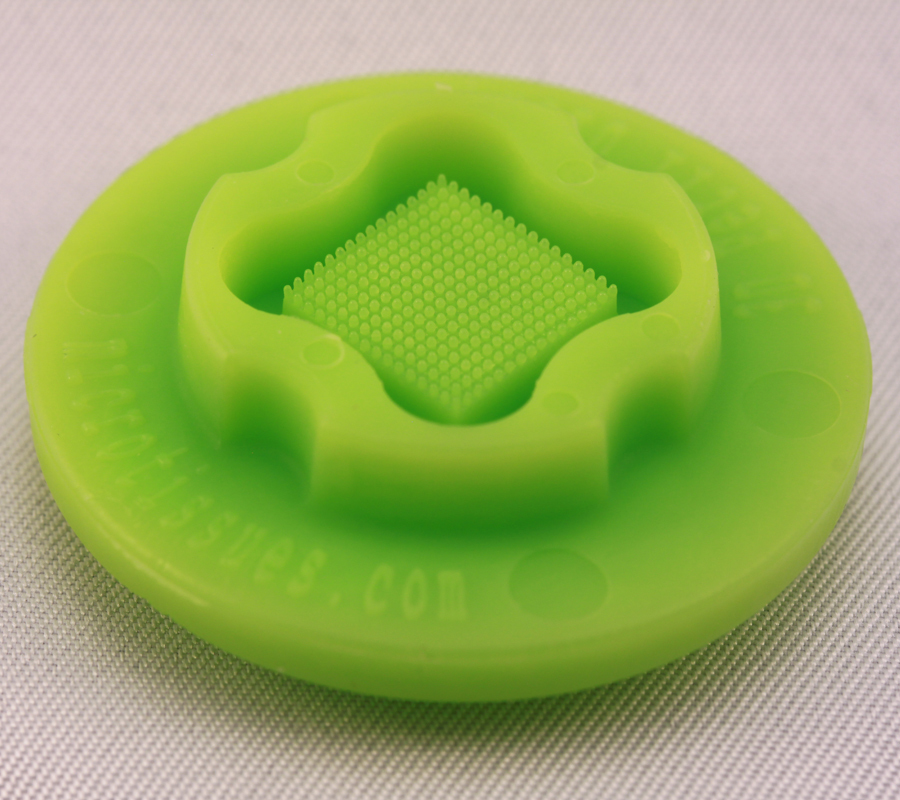
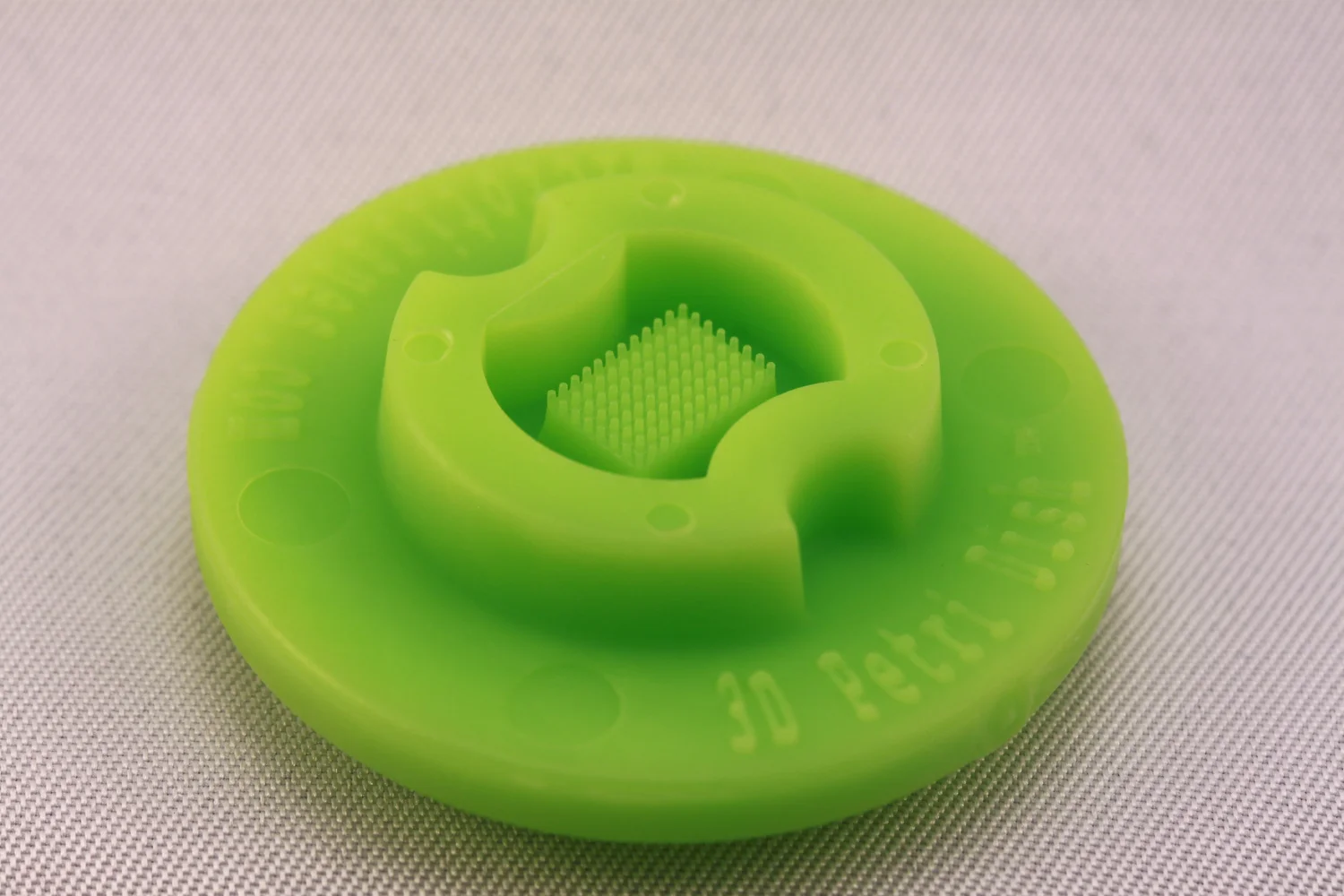
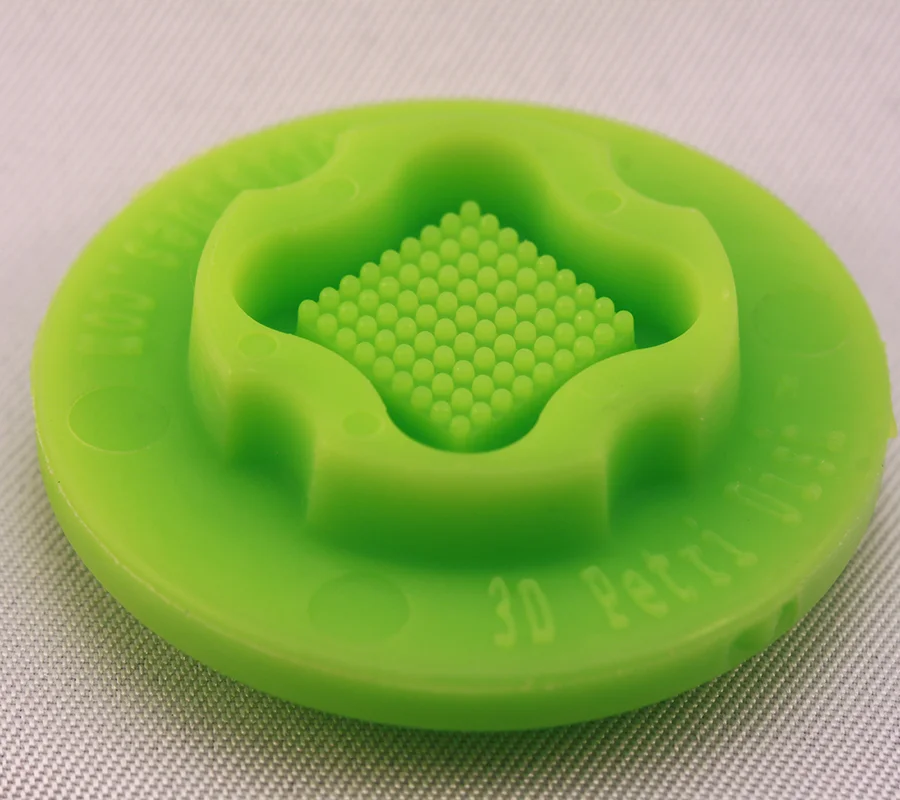
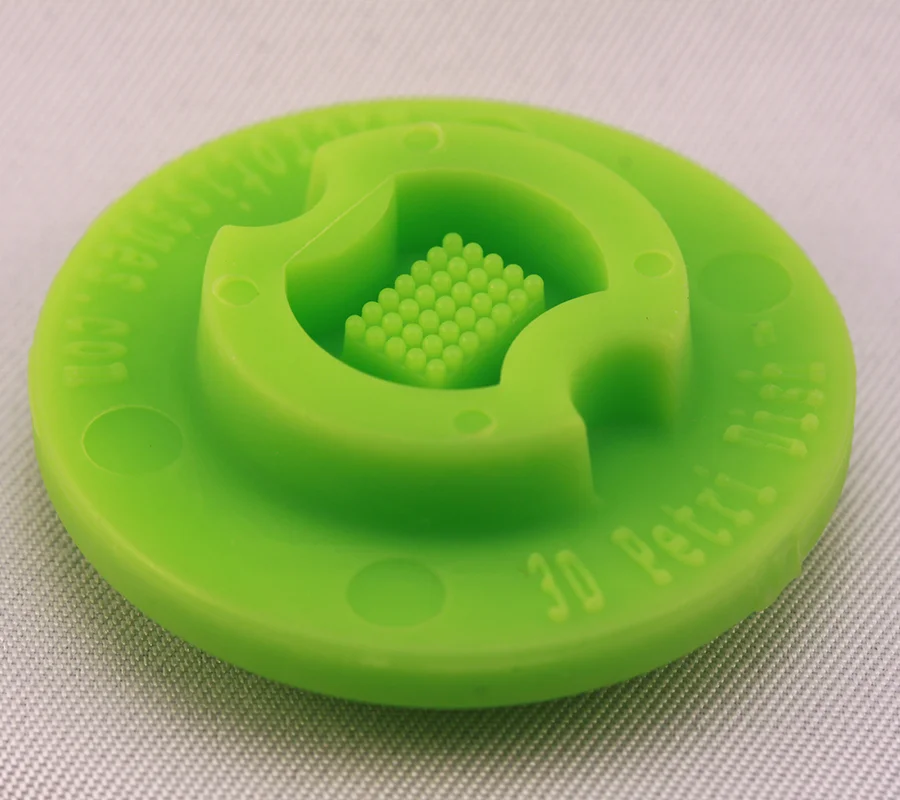
Published in Molecular Therapy - Methods & Clinical Development (2023), this peer-reviewed study used 3D Petri Dish® micro-molds to form scaffold-free 3D microtissues. Full citation: Wang, Peipei, et al. Correction of DMD in human iPSC-derived cardiomyocytes by base-editing-induced exon skipping
Correction of DMD in human iPSC-derived cardiomyocytes by base-editing-induced exon skipping
Research Overview
Building on earlier work showing adenine base editing can correct a nonsense mutation in a Duchenne muscular dystrophy mouse model, this study tested base-editing-mediated exon skipping in human iPSC-derived cardiomyocytes.
A DMD iPSC line carrying a large deletion spanning exons 48–54 was generated with CRISPR-Cas9, and dystrophin expression was confirmed disrupted by RT-PCR, western blot, and immunofluorescence. Transfecting the base editor with a guide RNA targeting the splice acceptor converted AG to GG at 35.9% ± 5.7% efficiency and enabled exon 55 skipping. In a single clone with complete conversion, dystrophin expression was restored to 42.5% ± 11% of wild-type levels.
Key Discoveries
- DMD iPSC line with an exon 48-54 deletion created by CRISPR-Cas9 as a human cardiomyocyte model
- Adenine base editing converted the splice-acceptor AG to GG at 35.9% efficiency, enabling exon 55 skipping
- Complete conversion in one clone restored dystrophin to 42.5% of wild-type