Summary
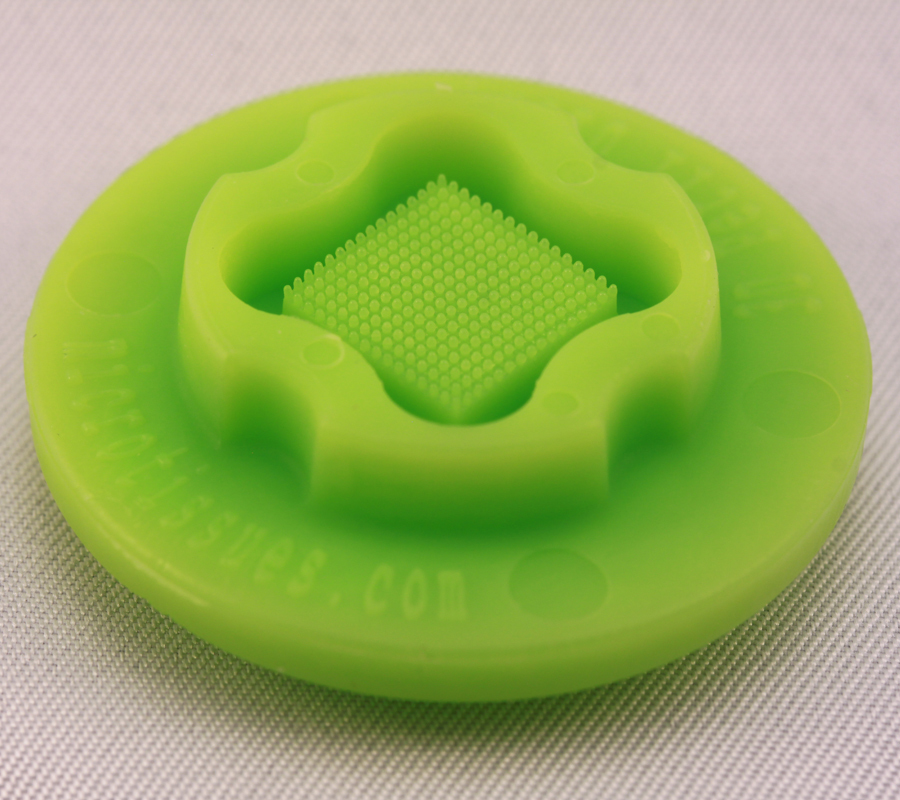
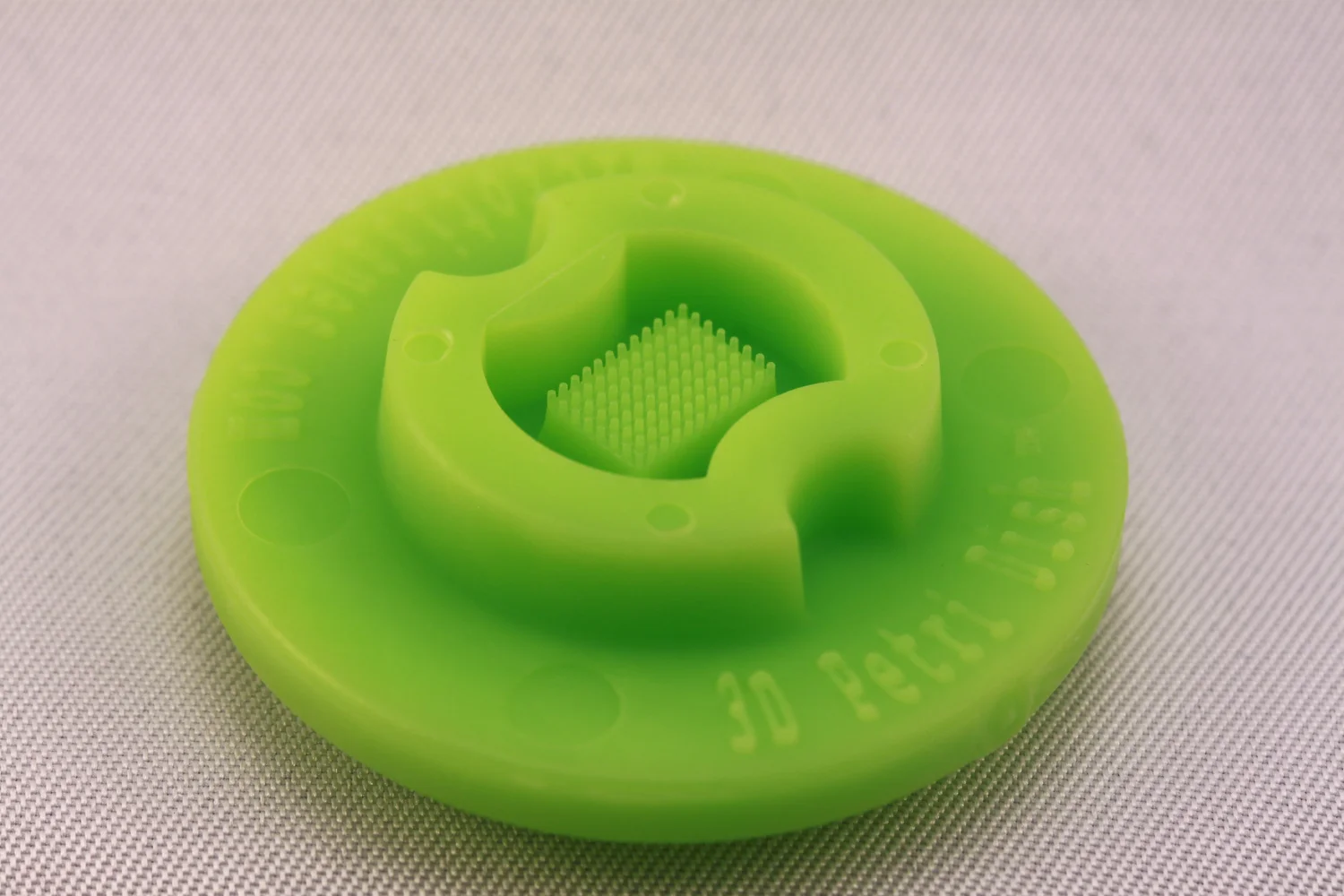
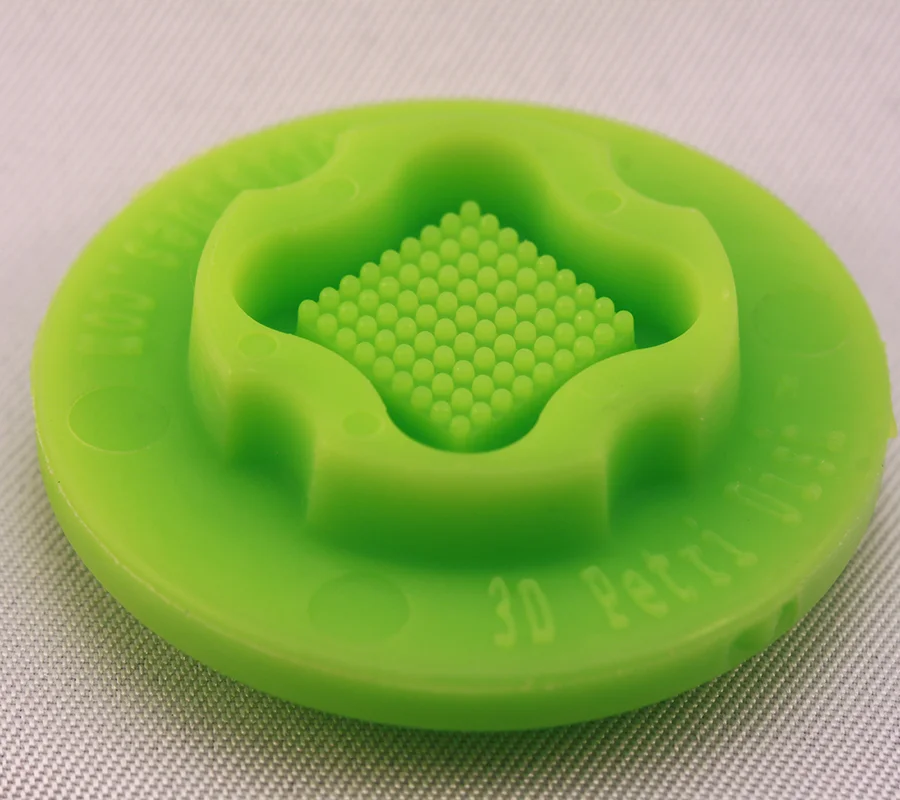
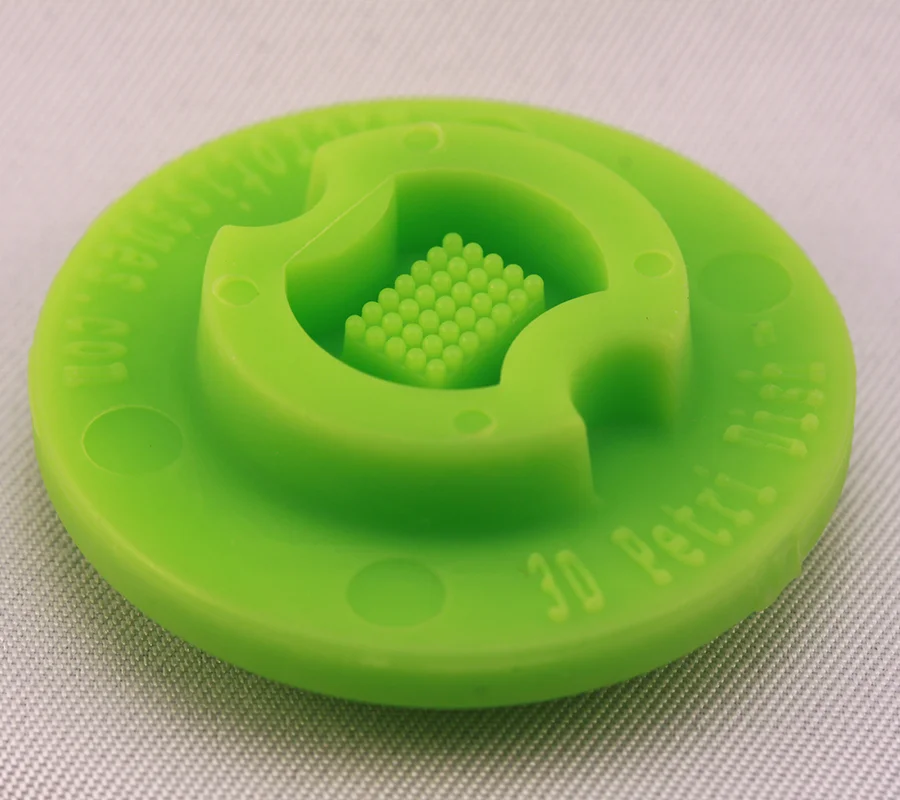
Published in International Journal of Molecular Sciences (2021), this peer-reviewed study used 3D Petri Dish® micro-molds to form scaffold-free 3D microtissues. Full citation: Kim, Byung-Chul, et al. Comparative Transcriptome Analysis of Human Adipose-Derived Stem Cells Undergoing Osteogenesis in 2D and 3D Culture Conditions
Comparative Transcriptome Analysis of Human Adipose-Derived Stem Cells Undergoing Osteogenesis in 2D and 3D Culture Conditions
Research Overview
Human adipose-derived stem cells are workhorse cells for engineering bone, cartilage, muscle, tendon, and other connective tissues. This study compared their osteogenic differentiation in 2D versus 3D culture, confirming bone differentiation by Alizarin Red staining and quantitative RT-PCR, then profiling whole-transcriptome RNA-Seq data to find what differs biologically between the two formats.
The transcriptome comparison gives a molecular account of why culture dimensionality changes stem cell behavior — useful for anyone deciding whether to differentiate adipose-derived stem cells flat or as 3D spheroids for regenerative applications.
Key Discoveries
- Osteogenic differentiation of adipose-derived stem cells compared directly in 2D and 3D culture
- Bone differentiation confirmed by Alizarin Red staining and qRT-PCR
- Whole-transcriptome RNA-Seq profiled the molecular differences driven by culture dimensionality