Summary
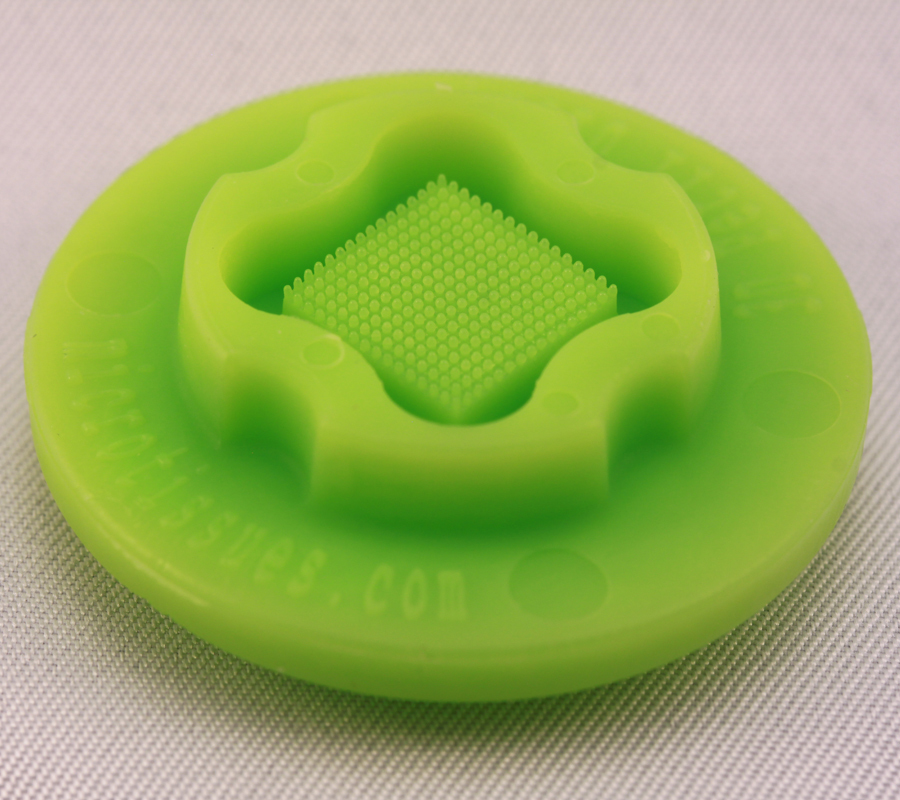
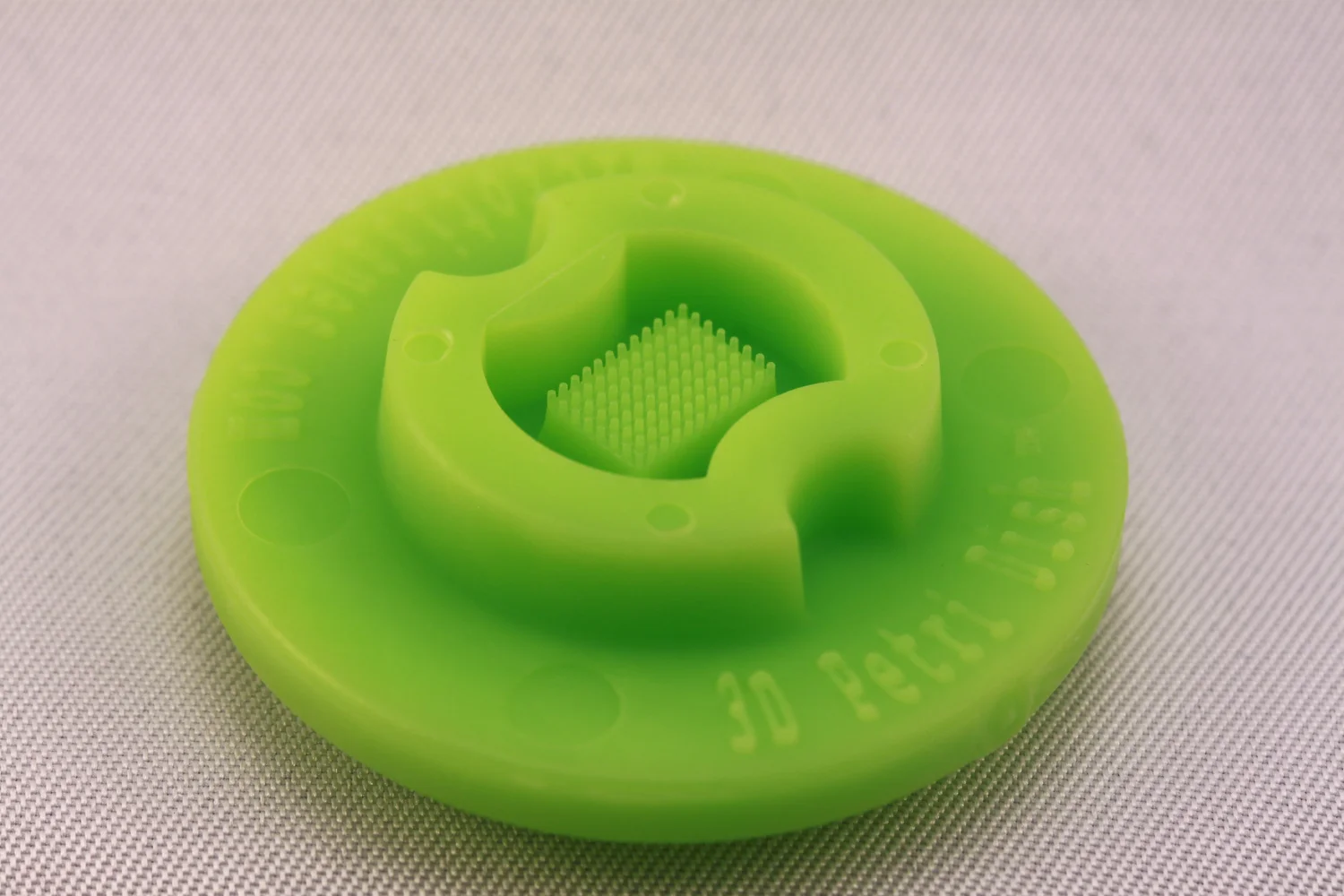
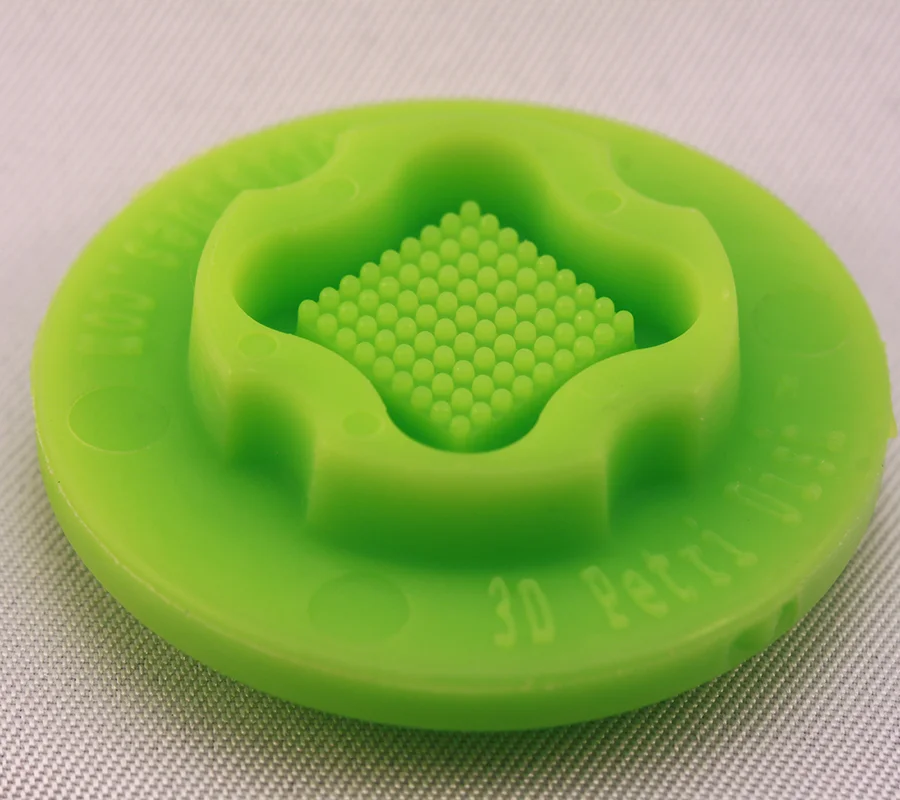
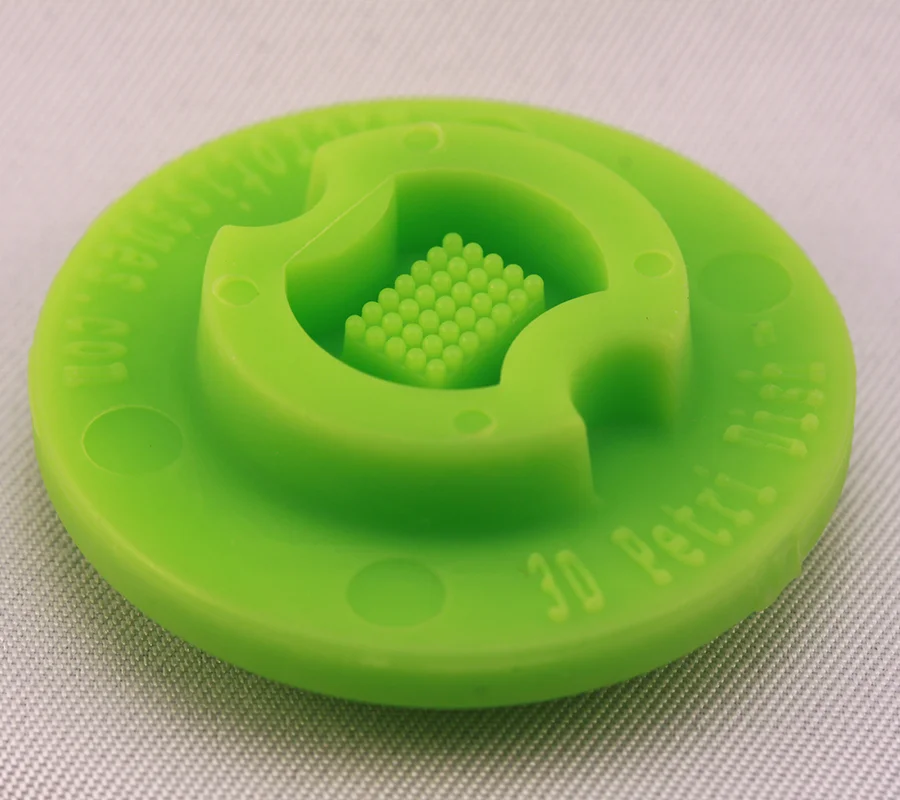
Published in Cellular and Molecular Bioengineering (2022), this peer-reviewed study used 3D Petri Dish® micro-molds to form scaffold-free 3D microtissues. Full citation: Gutierrez, Robert A., et al. Chondrogenesis of Adipose-Derived Stem Cells Using an Arrayed Spheroid Format
Chondrogenesis of Adipose-Derived Stem Cells Using an Arrayed Spheroid Format
Research Overview
Chondrogenic response of adipose-derived stem cells is usually assessed with 3D micromass protocols consuming hundreds of thousands of cells — technically difficult and wasteful to scale for high-throughput testing. Microscale spheroids need only thousands of cells and microliters of medium.
This study fabricated molded agarose microwells from 2% w/v molten agarose, equilibrated them in medium, and seeded adipose-derived stem cells across a wide range of densities — 50, 500, and 5,000 cells per microwell against conventional 5,000 to 250,000 cell formats — quantifying how far chondrogenic assays can be miniaturized.
Key Discoveries
- Microwell spheroids reduced chondrogenesis assays from hundreds of thousands to thousands of cells
- Seeding densities compared from 50 to 250,000 cells across microwell and conventional formats
- Molded 2% agarose microwells enabled high-throughput chondrogenic screening