Summary
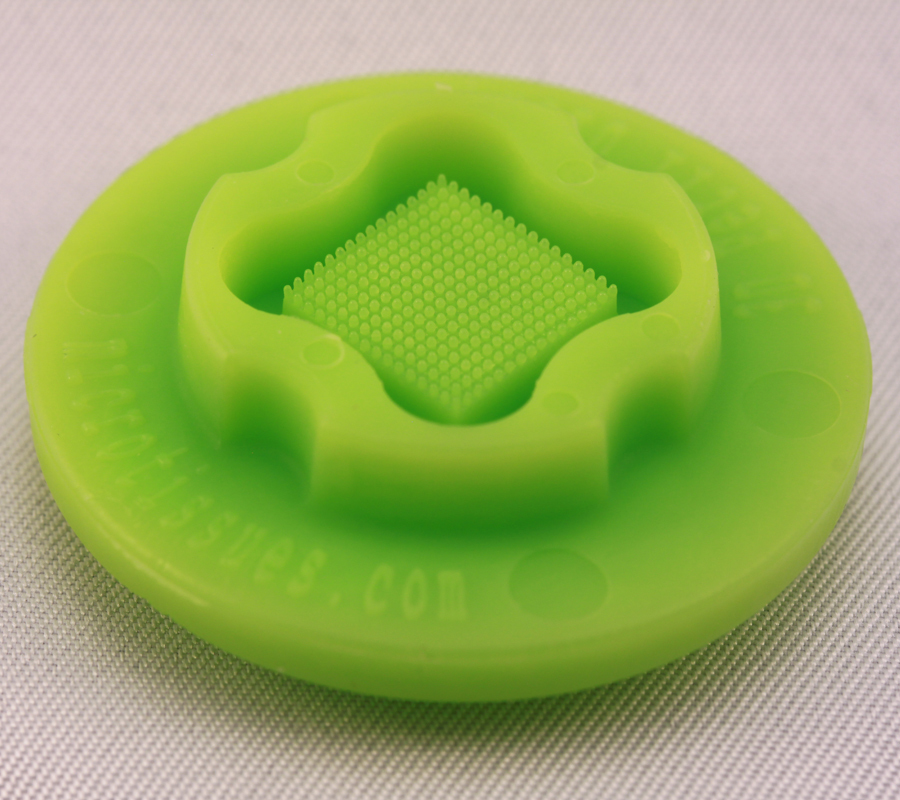
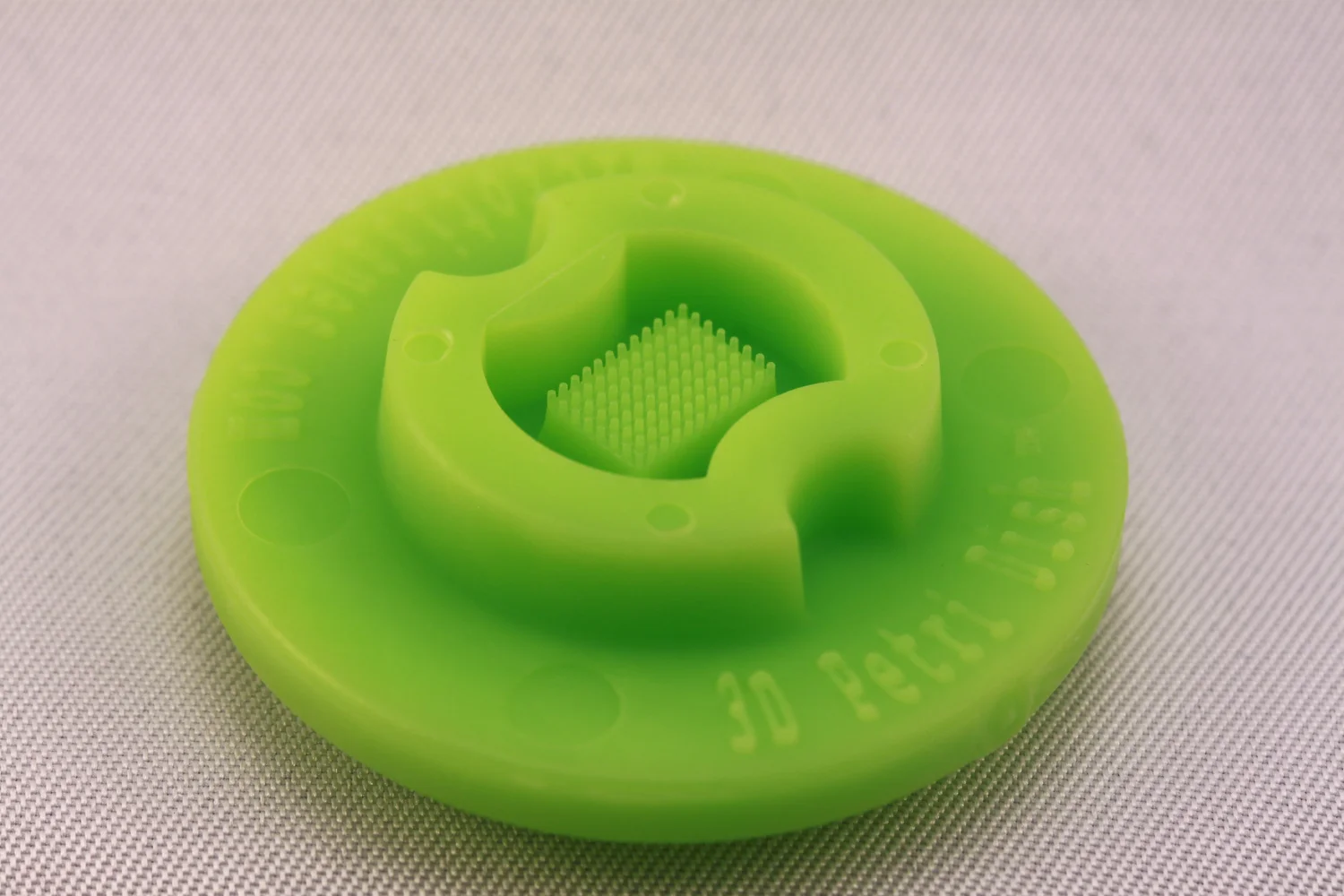
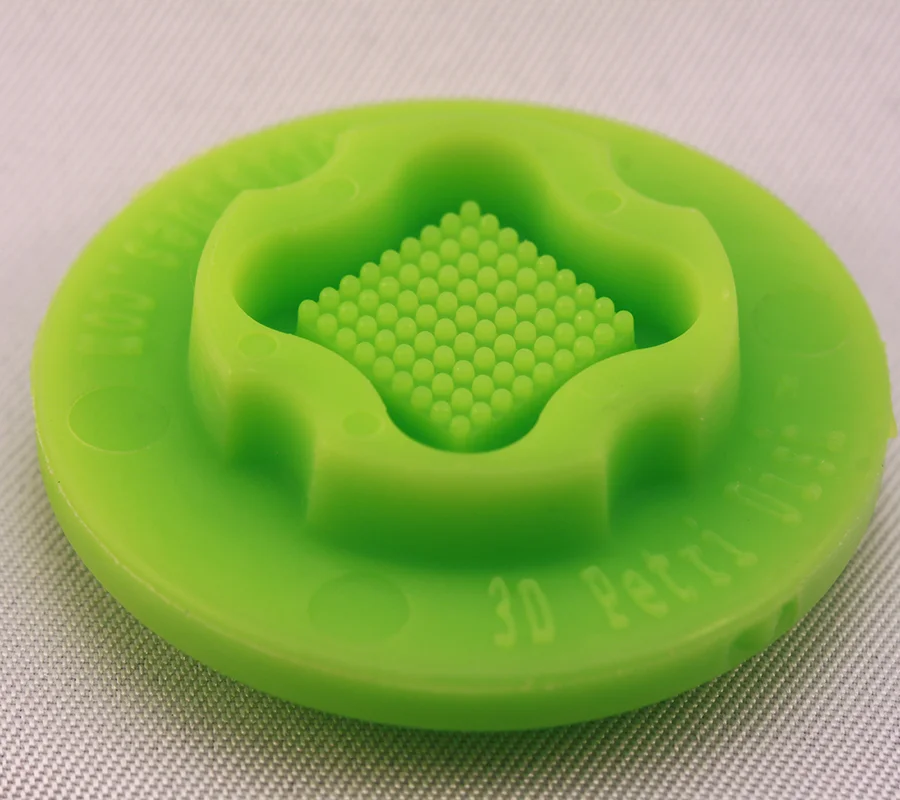
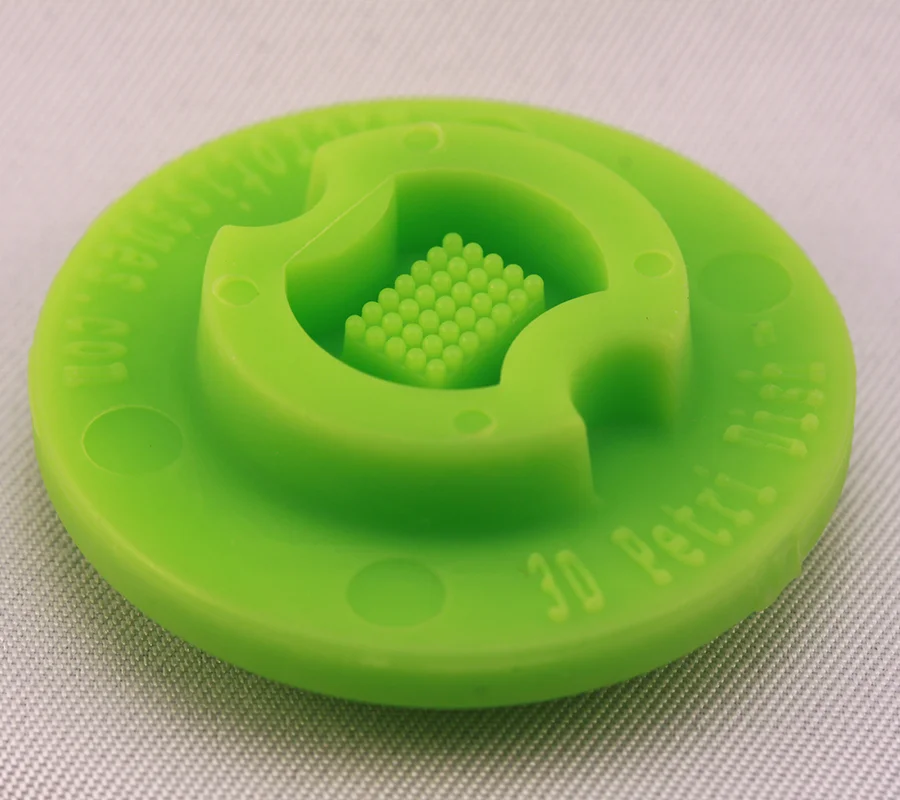
Published in Neuron (2026), this peer-reviewed study used 3D Petri Dish® micro-molds to form scaffold-free 3D microtissues. Full citation: Spirig, Stefan E., et al. Cell-type-focused compound screen in human organoids reveals CK1 inhibition protects cone photoreceptors from death
Cell-type-focused compound screen in human organoids reveals CK1 inhibition protects cone photoreceptors from death
Research Overview
Human organoids that reproduce an organ’s cell-type diversity make it possible to screen at scale for compounds that protect a specific vulnerable cell type. Here the authors generated 20,000 human retinal organoids carrying GFP-labeled cone photoreceptors, induced cone death, and screened 2,707 compounds with known targets for those that rescued cones — or made things worse.
Casein kinase 1 inhibitors protected cones. HSP90 inhibitors saved cones in the short term but damaged them over longer exposure. Broad HDAC inhibition by many compounds significantly damaged cones. The protective hits were then confirmed in a mouse model of photoreceptor degeneration.
Key Discoveries
- 20,000 human retinal organoids with GFP-labeled cones enabled a 2,707-compound screen
- CK1 inhibitors protected cone photoreceptors from induced death
- HSP90 inhibitors helped short-term but harmed long-term; HDAC inhibition was broadly damaging