Summary
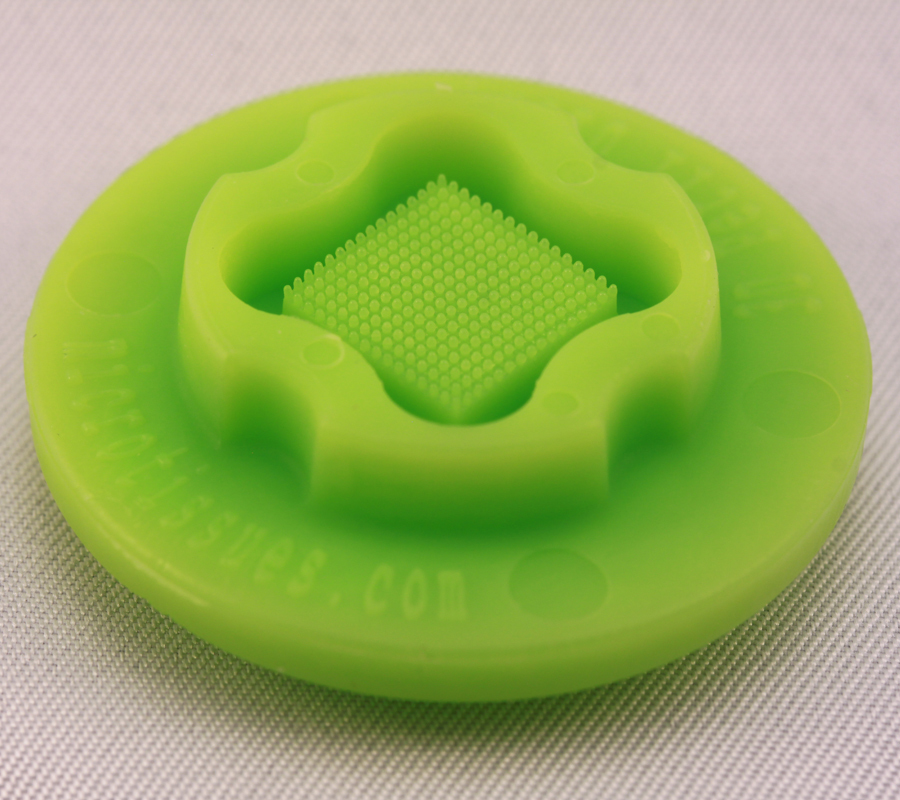
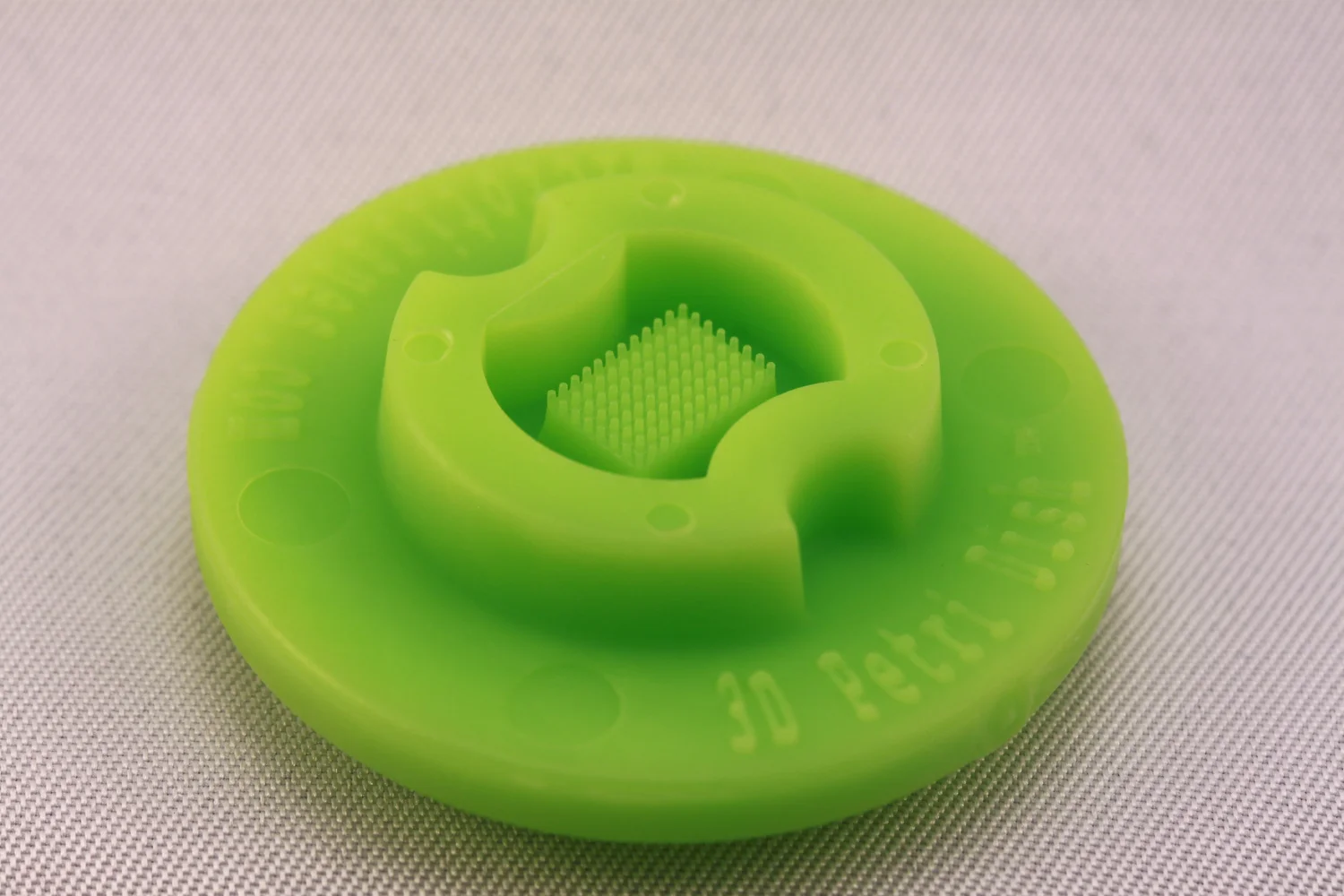
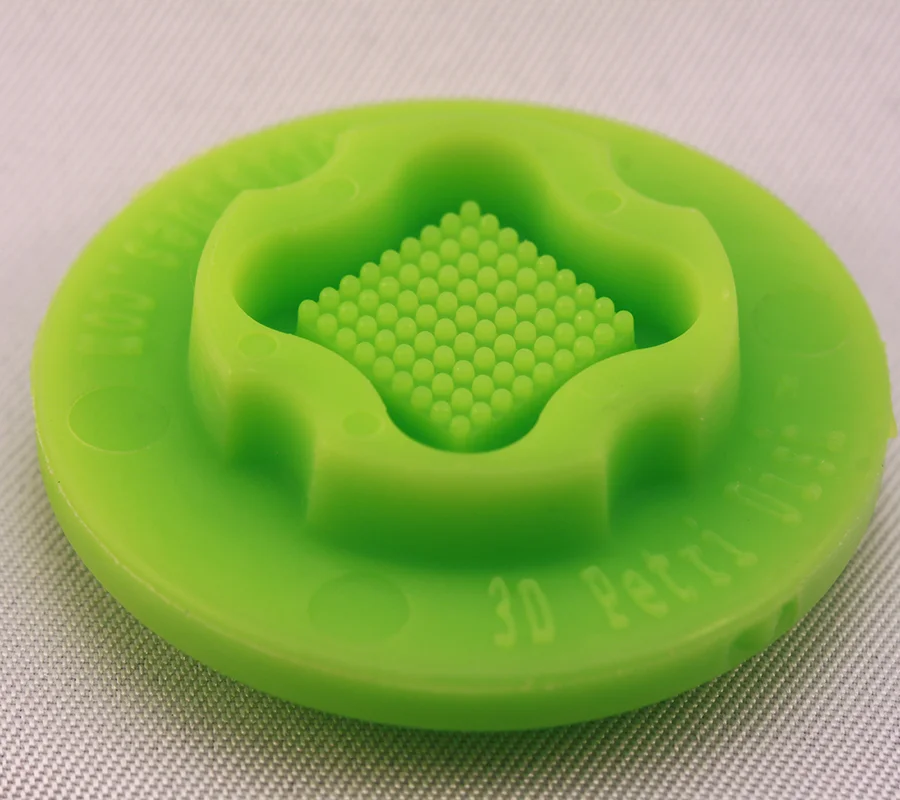
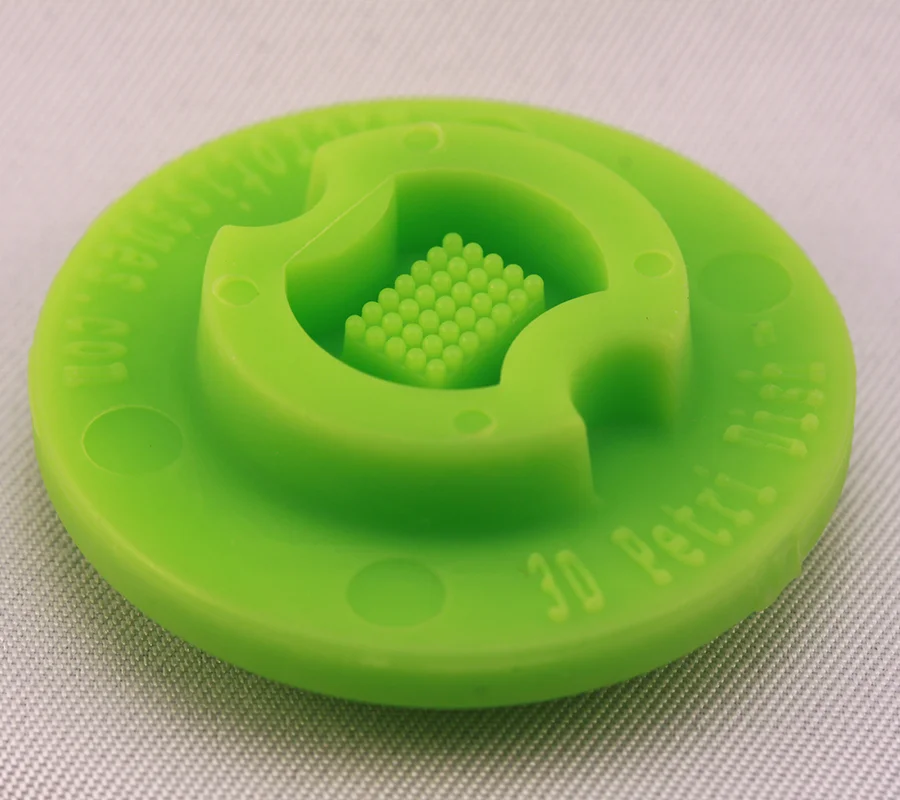
Published in Annals of Biomedical Engineering (2018), this peer-reviewed study used 3D Petri Dish® micro-molds to form scaffold-free 3D microtissues. Full citation: Labriola, Nicholas R., et al. Cell Mimicking Microparticles Influence the Organization, Growth, and Mechanophenotype of Stem Cell Spheroids
Cell Mimicking Microparticles Influence the Organization, Growth, and Mechanophenotype of Stem Cell Spheroids
Research Overview
Substrate stiffness steers stem cell differentiation, but most of what is known comes from flat culture rather than physiologically relevant 3D systems. This study delivered defined mechanical cues directly inside 3D spheroids using polymer cell-mimicking microparticles embedded alongside human adipose-derived stem cells.
After 21 days of adipogenic induction, the composite spheroids stiffened in proportion to the particles they contained: spheroids holding the stiffest (~10 kPa) particles were over 27% stiffer than those with the most compliant ones. The approach lets mechanical signals be tuned within a 3D construct rather than imposed from the surface beneath it.
Key Discoveries
- Cell-mimicking microparticles delivered defined stiffness cues inside 3D spheroids
- Composite spheroids stiffened in proportion to particle elasticity — >27% difference across the range
- Extends mechanobiology from 2D substrates into physiologically relevant 3D culture