Summary
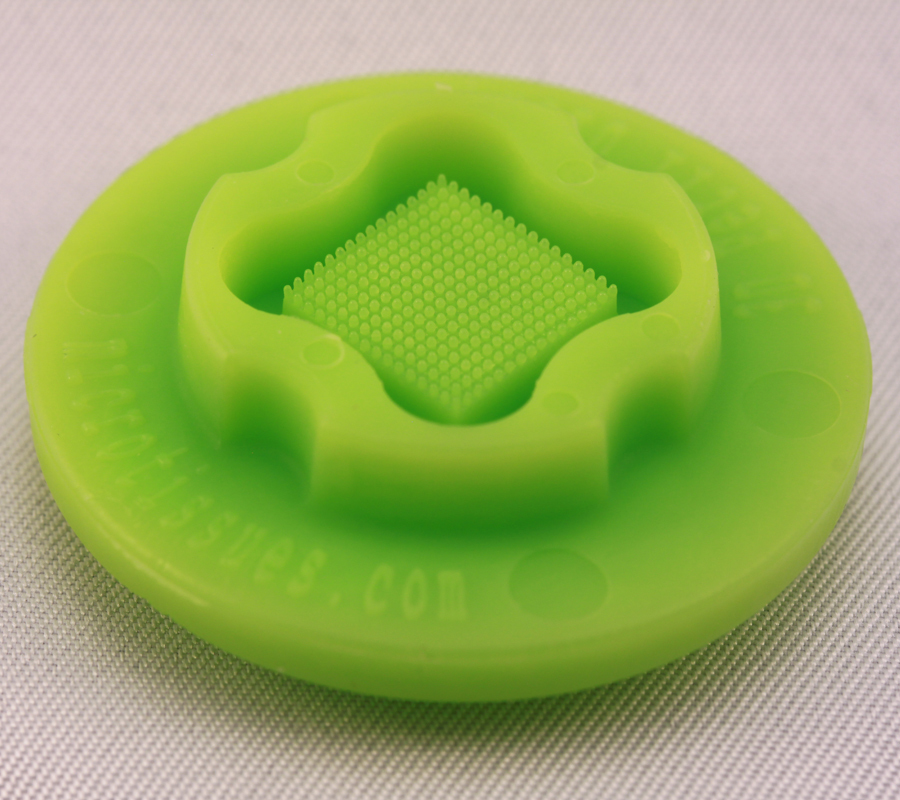
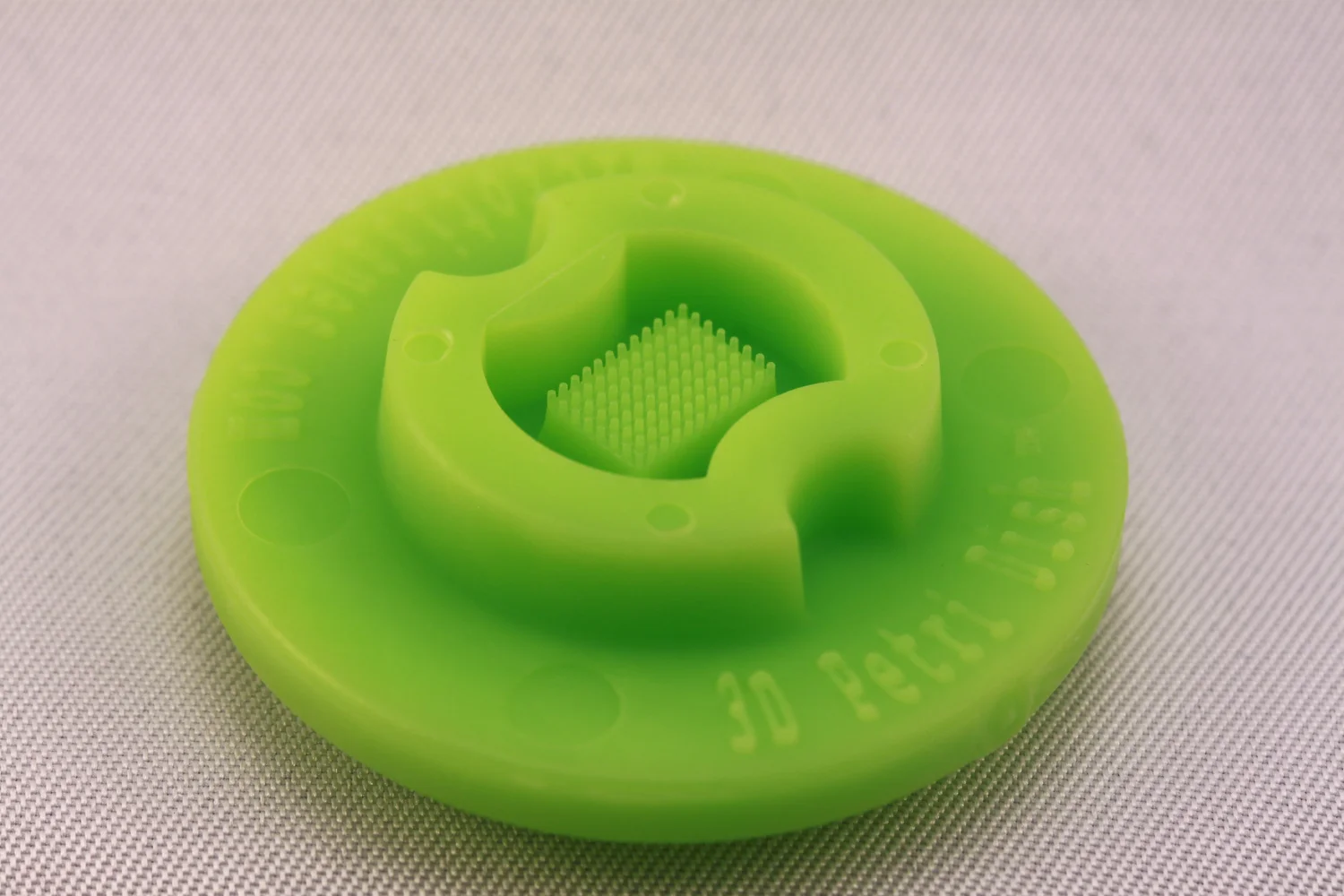
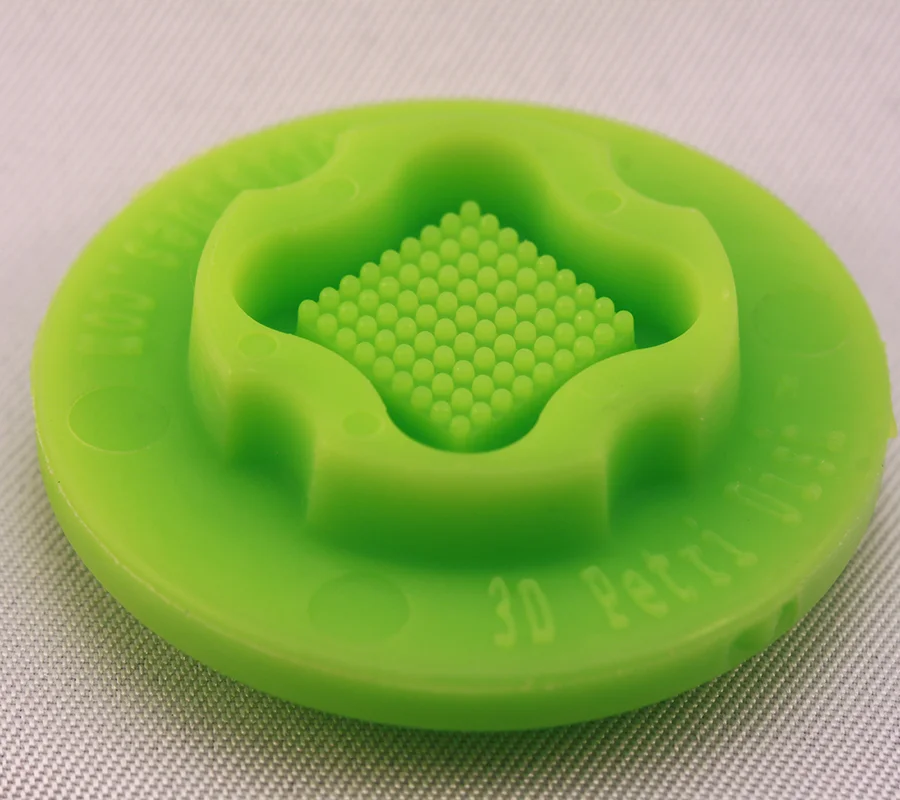
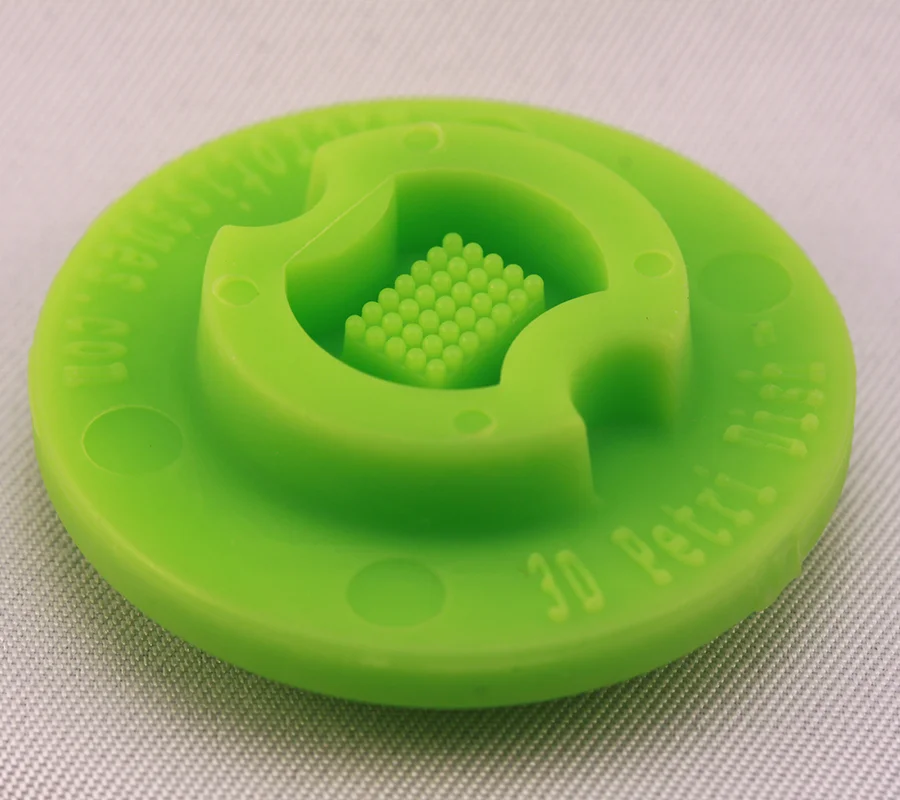
Published in American Journal of Physiology-Cell Physiology (2020), this peer-reviewed study used 3D Petri Dish® micro-molds to form scaffold-free 3D microtissues. Full citation: Summers, Megan E., et al. Balanced Wnt/Dickkopf1 signaling by mesenchymal vascular progenitor cells in the microvascular niche maintains distal lung structure and function
Balanced Wnt/Dickkopf1 signaling by mesenchymal vascular progenitor cells in the microvascular niche maintains distal lung structure and function
Research Overview
The Wnt inhibitor Dickkopf-1 (DKK1) is implicated in the vascular remodeling of chronic lung diseases like emphysema and fibrosis, but its specific effects on the cells of the microvascular niche were unclear. Knocking down DKK1 in mouse lung tissue-resident mesenchymal vascular progenitor cells altered lung stiffness, collagen deposition, microvessel muscularization and density, and tissue structure under hypoxia.
Complementary experiments in primary human cells — COPD-derived mesenchymal vascular progenitors, endothelial cells, and smooth muscle cells — revealed disease-specific and sometimes paradoxical responses to DKK1, underscoring that balanced Wnt/DKK1 signaling in the microvascular niche shapes pulmonary remodeling.
Key Discoveries
- DKK1 knockdown in lung vascular progenitors altered stiffness, collagen, and microvessel structure under hypoxia
- Primary COPD-derived cells showed disease-specific, paradoxical responses to DKK1
- Positions Wnt/DKK1 balance as a lever in chronic lung disease remodeling