Summary
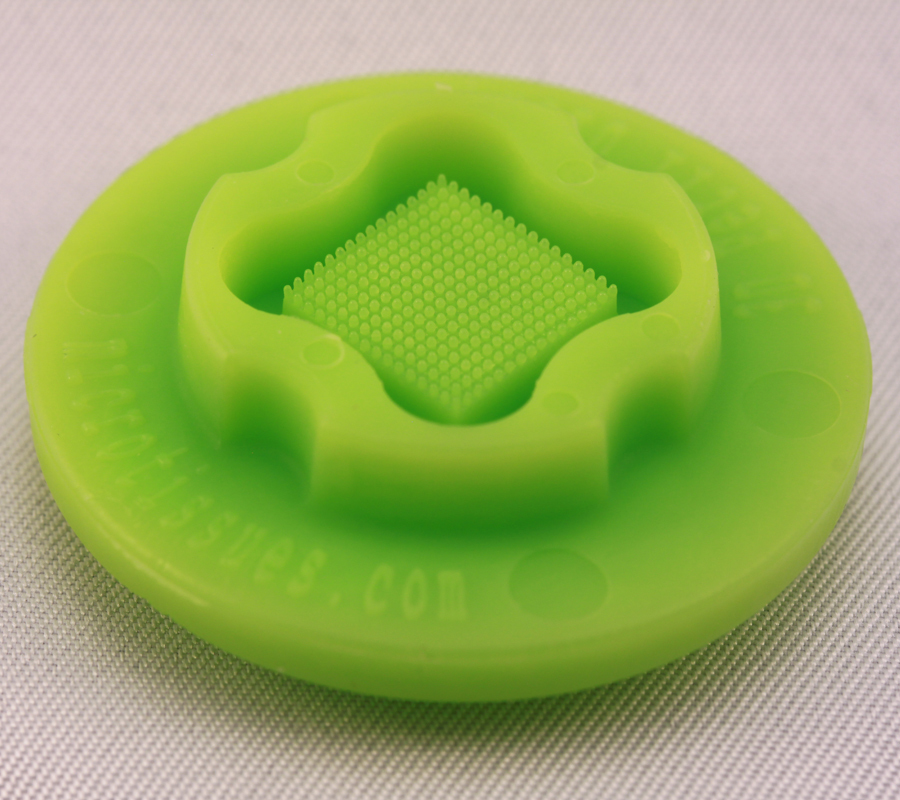
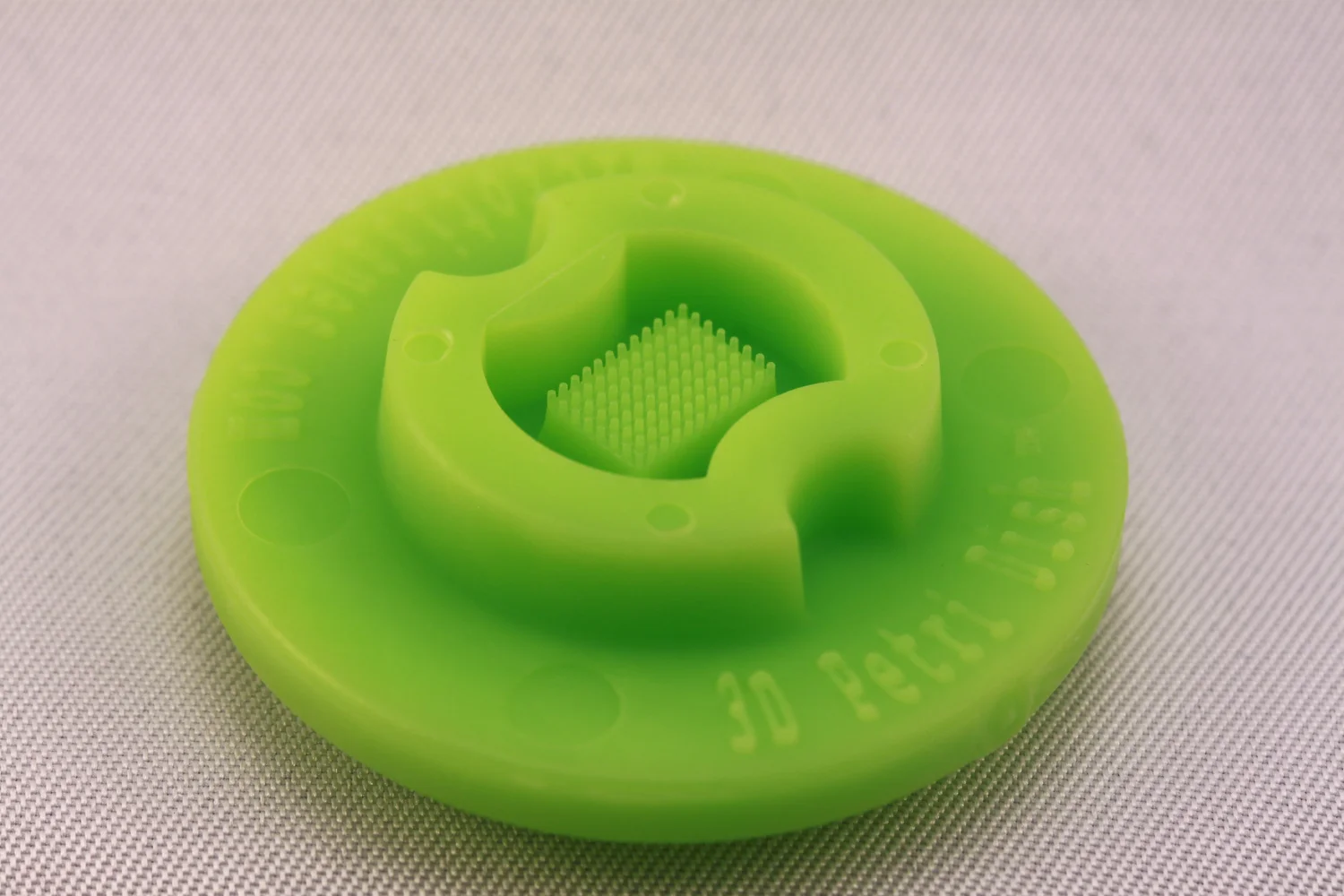
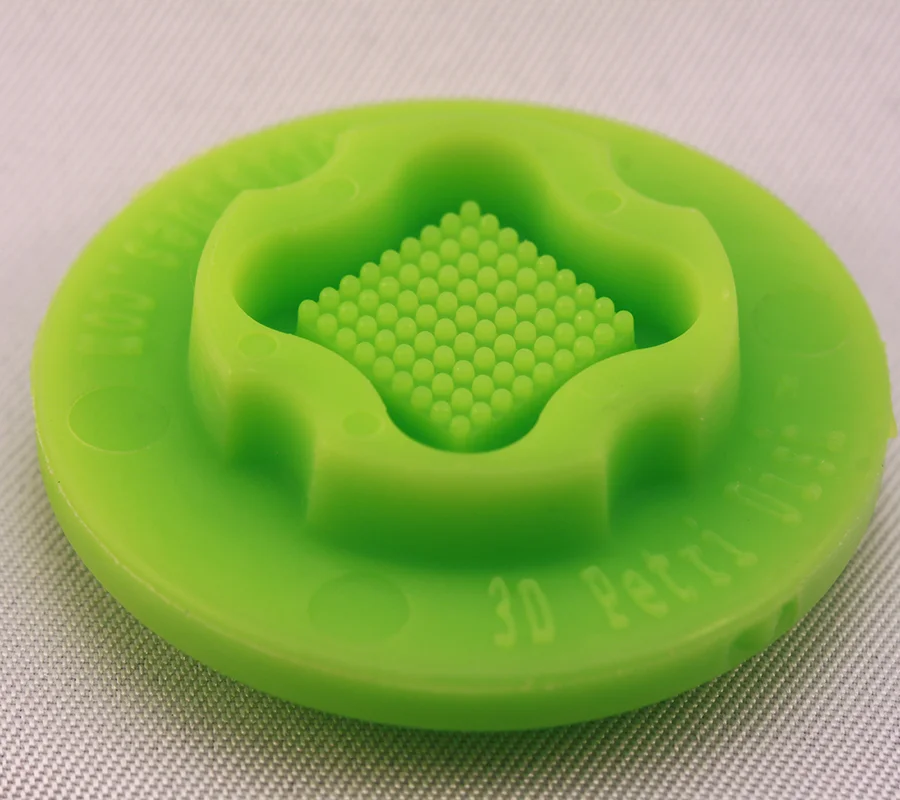
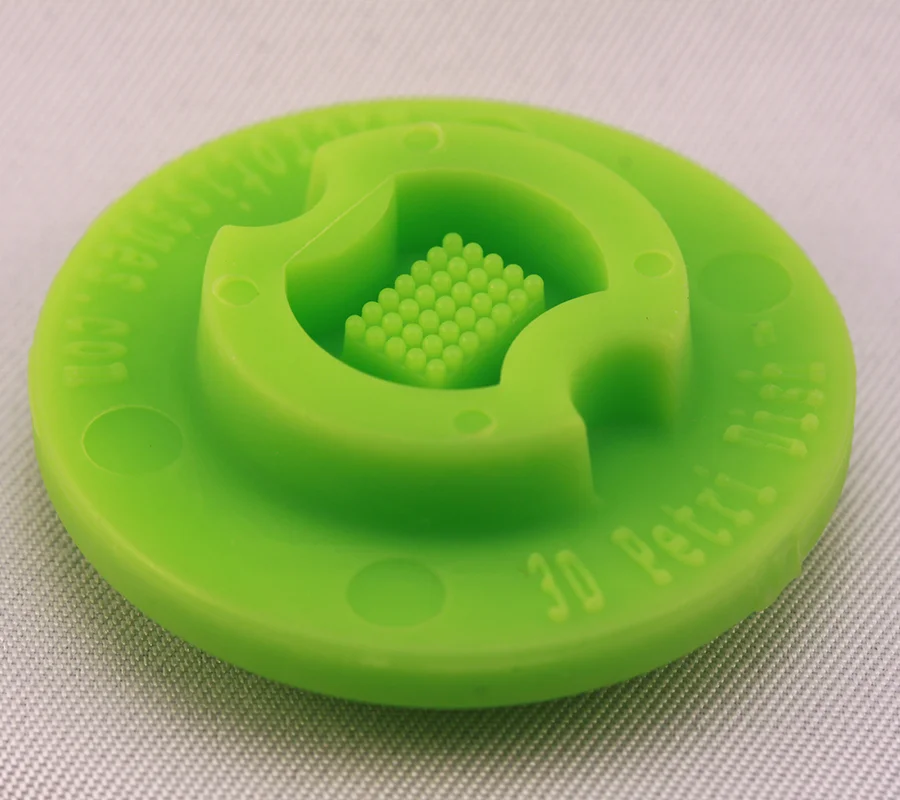
Published in Experimental Eye Research (2019), this peer-reviewed study used 3D Petri Dish® micro-molds to form scaffold-free 3D microtissues. Full citation: Markus, Amos, et al. An optimized protocol for generating labeled and transplantable photoreceptor precursors from human embryonic stem cells
An optimized protocol for generating labeled and transplantable photoreceptor precursors from human embryonic stem cells
Research Overview
Cell replacement therapy is promising for retinal degenerative disease, but protocols for generating photoreceptor precursors from human embryonic stem cells vary widely in efficiency.
This study demonstrated the advantages of size-controlled embryoid bodies in the differentiation process, comparing embryoid bodies generated in microwell dishes against non-size-controlled ones from V-shaped 96-well plates across two differentiation protocols. The team also explored cell-labeling methods for tracking the survival of photoreceptor precursors after subretinal transplantation in rat eyes.
Key Discoveries
- Size-controlled embryoid bodies from microwell dishes outperformed V-well-generated ones
- Two differentiation protocols compared for photoreceptor precursor generation
- Cell-labeling methods developed to track transplant survival in rat subretinal space