Summary
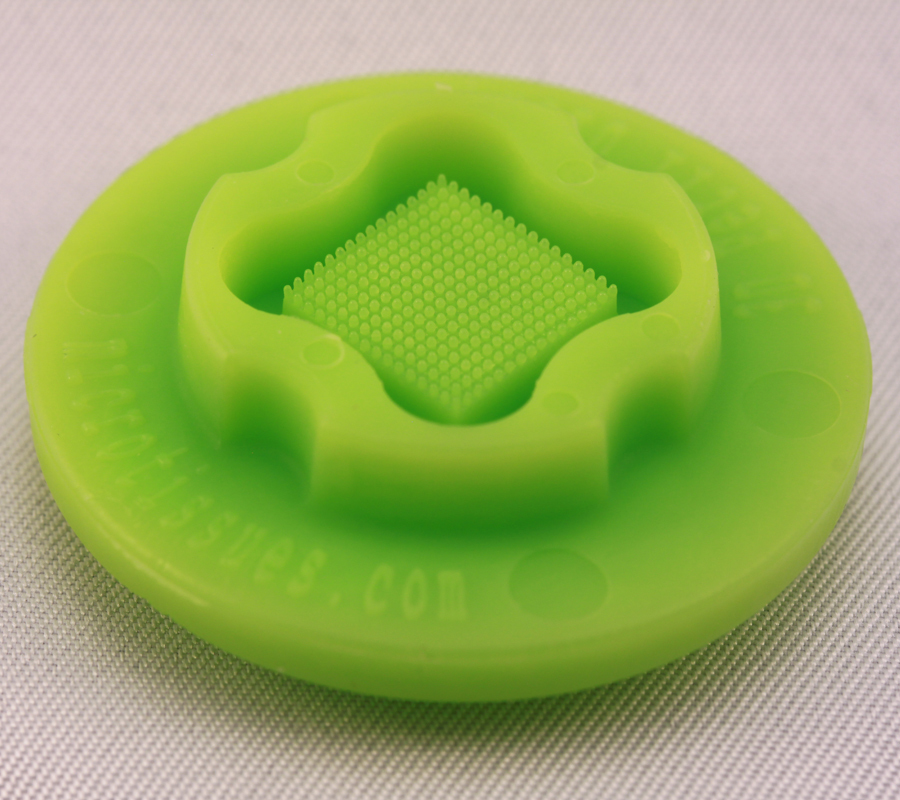
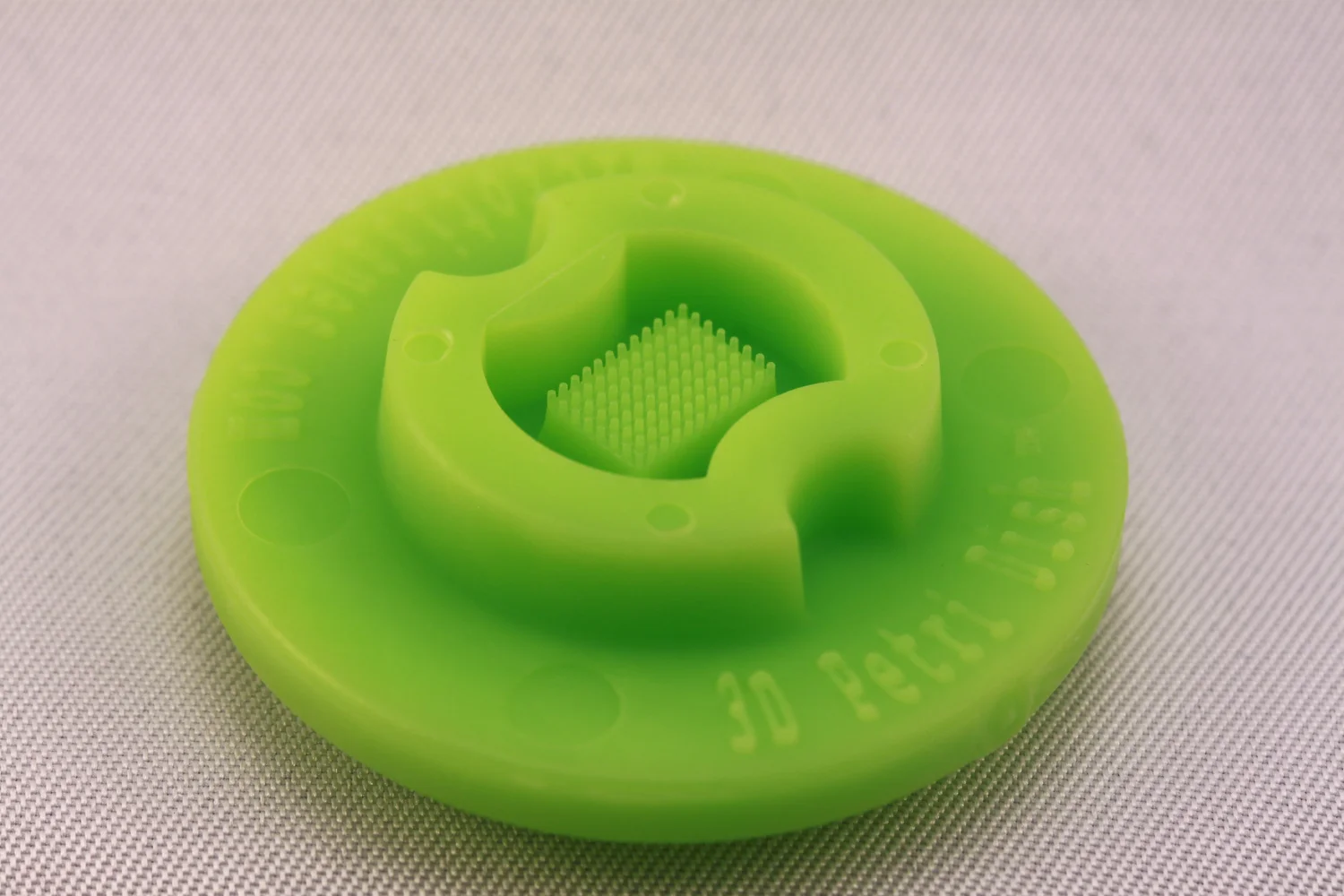
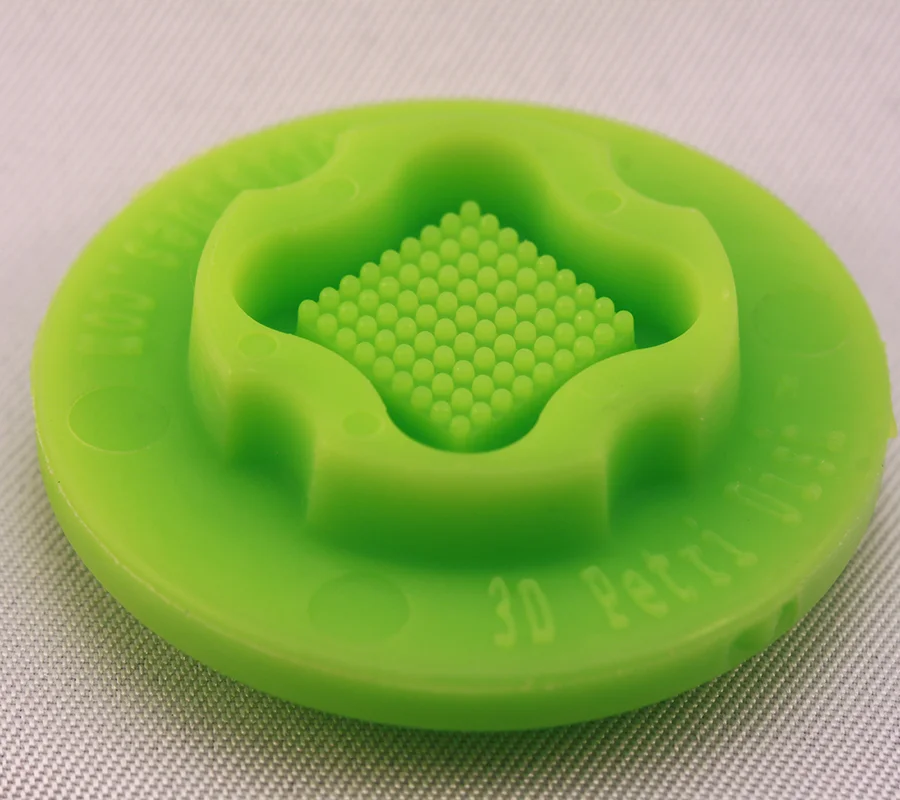
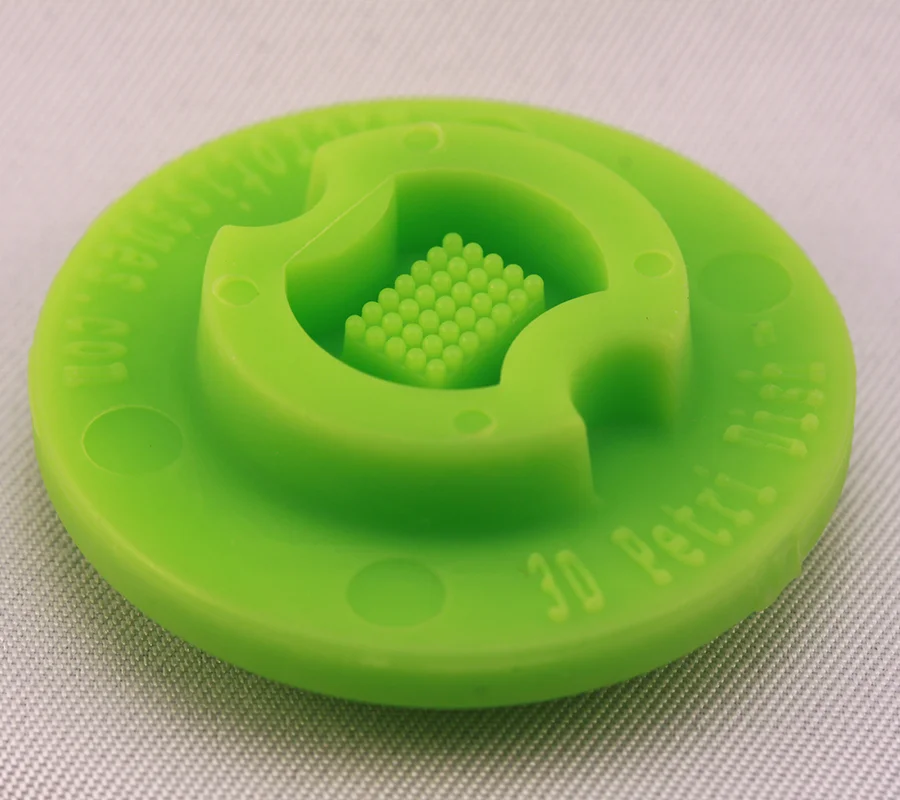
Published in Methods in Molecular Biology (2022), this peer-reviewed study used 3D Petri Dish® micro-molds to form scaffold-free 3D microtissues. Full citation: Kofron, Celinda M., et al. Arrhythmia Assessment in Heterotypic Human Cardiac Myocyte–Fibroblast Microtissues
Arrhythmia Assessment in Heterotypic Human Cardiac Myocyte–Fibroblast Microtissues
Research Overview
Current cardiotoxicity testing is limited by its focus on single ion channels, reliance on non-human species, and weak physiological translation — yet arrhythmia risk assessment must work even when a compound’s mechanism of action is unknown.
This study described methods for efficient, reliable screening of arrhythmogenic cardiotoxicity using a 3D human cardiac microtissue model built from purified human induced pluripotent stem cell-derived cardiomyocytes together with supporting cell types, producing a fit-for-purpose assay for chemicals and drugs alike.
Key Discoveries
- 3D heterotypic human cardiac microtissues used for arrhythmia risk screening
- Method works for compounds whose mechanism of action is not fully known
- Addresses the single-ion-channel and non-human-species limits of existing cardiotoxicity assays