Summary
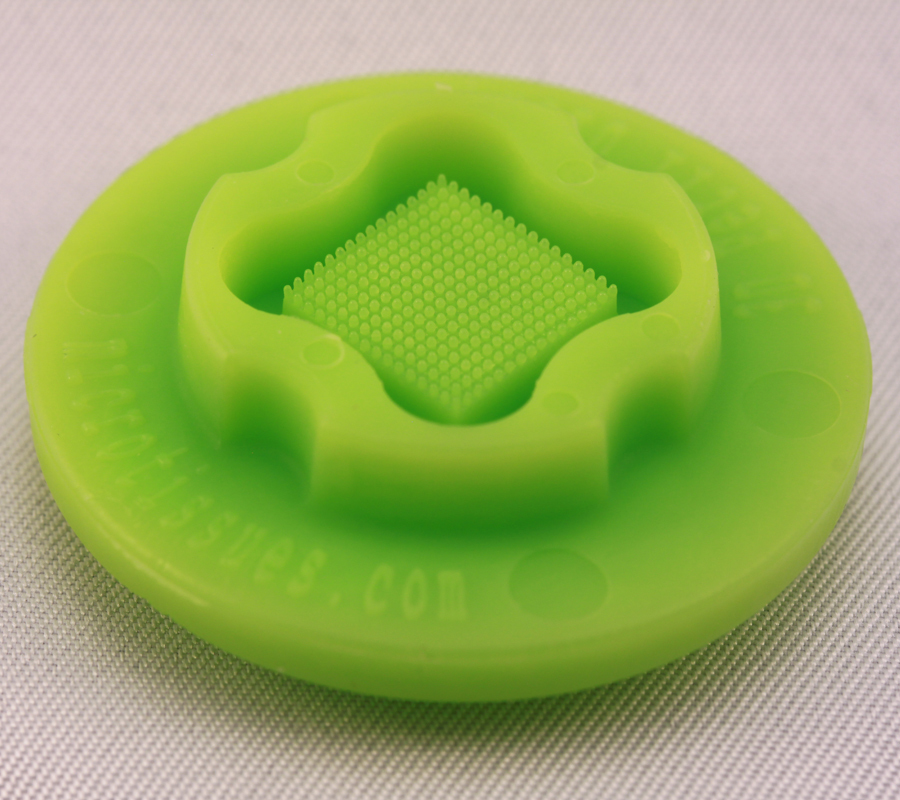
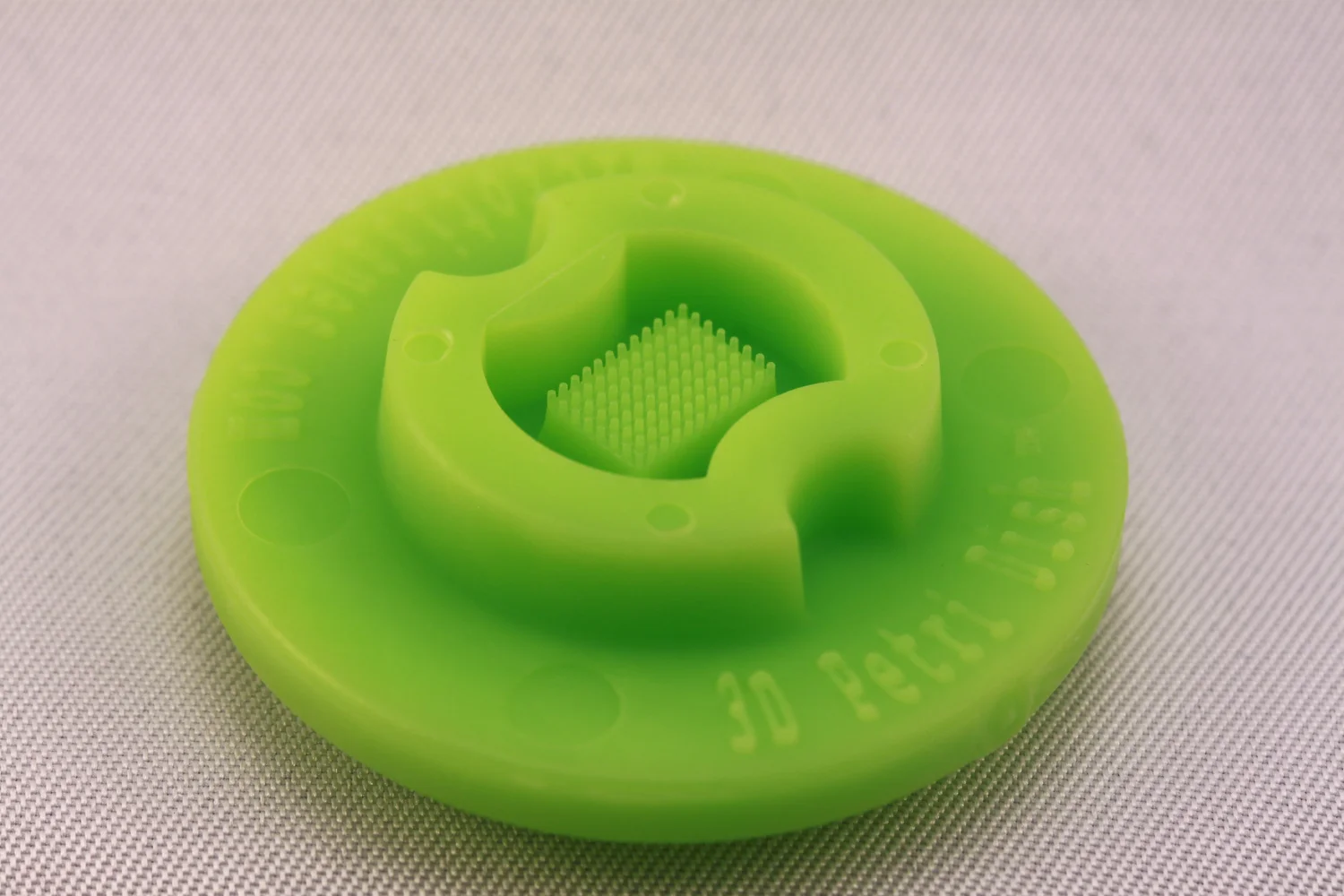
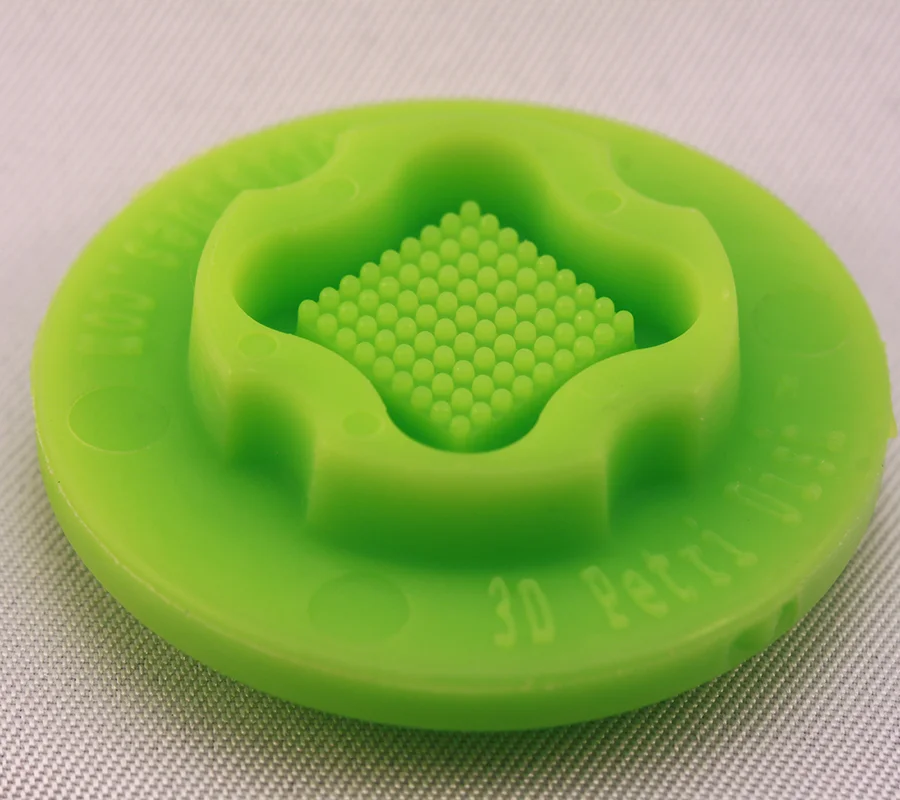
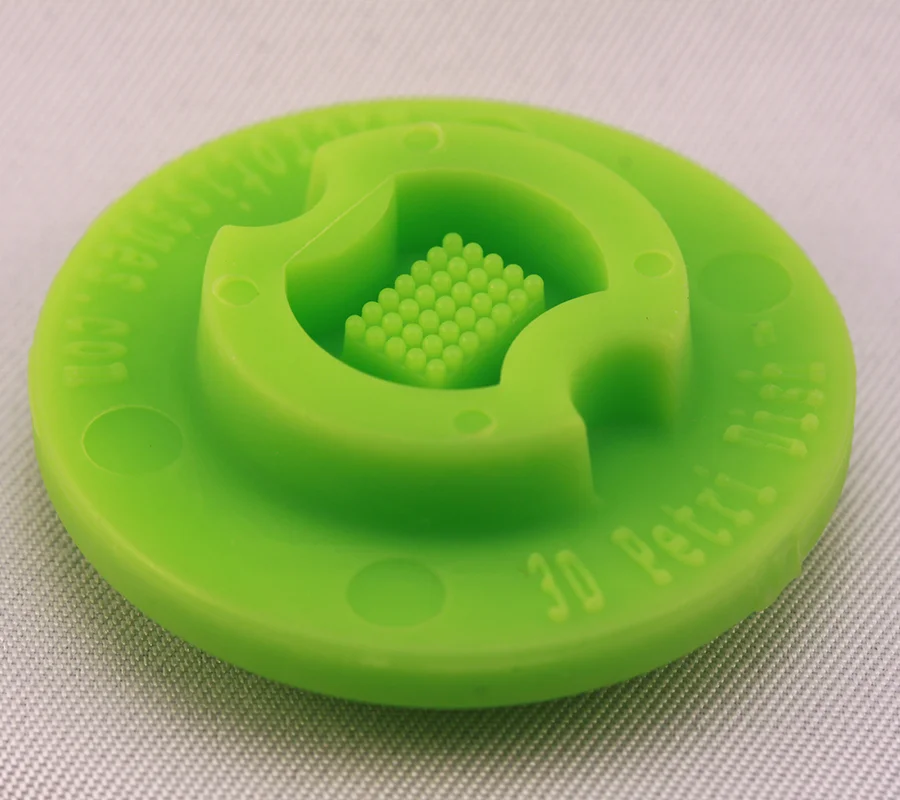
Published in Bioactive Materials (2024), this peer-reviewed study used 3D Petri Dish® micro-molds to form scaffold-free 3D microtissues. Full citation: Orge, I.D., et al. Vascular units as advanced living materials for bottom-up engineering of perfusable 3D microvascular networks
Vascular units as advanced living materials for bottom-up engineering of perfusable 3D microvascular networks
Research Overview
Establishing functional new vasculature quickly is pivotal to tissue development and regeneration, and remains a central challenge in tissue engineering. This study introduces vascular units — building blocks of endothelial progenitor cells and organ-specific fibroblasts — used bottom-up to initiate vessel formation and create perfusable, stroma-embedded 3D microvascular networks.
Embedded in fibrin hydrogels, the units showed high angiogenic potential: unit-derived capillaries fused with neighbors into stable microvascular beds within a supportive, matrix-rich fibroblastic environment. A custom biomimetic fibrin-based vessel-on-chip then demonstrated the networks’ behavior under perfusion.
Key Discoveries
- Vascular units of endothelial progenitors plus organ-specific fibroblasts serve as bottom-up building blocks
- Units in fibrin hydrogel formed capillaries that fused into stable microvascular beds
- A custom fibrin vessel-on-chip showed perfusable, stroma-embedded 3D networks