Summary
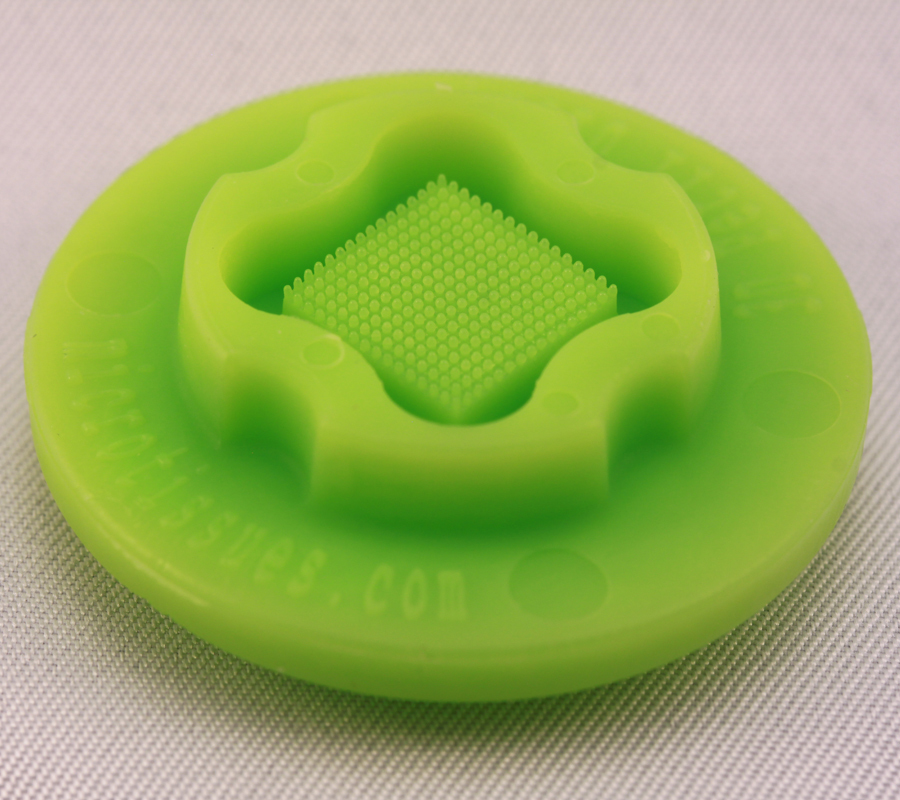
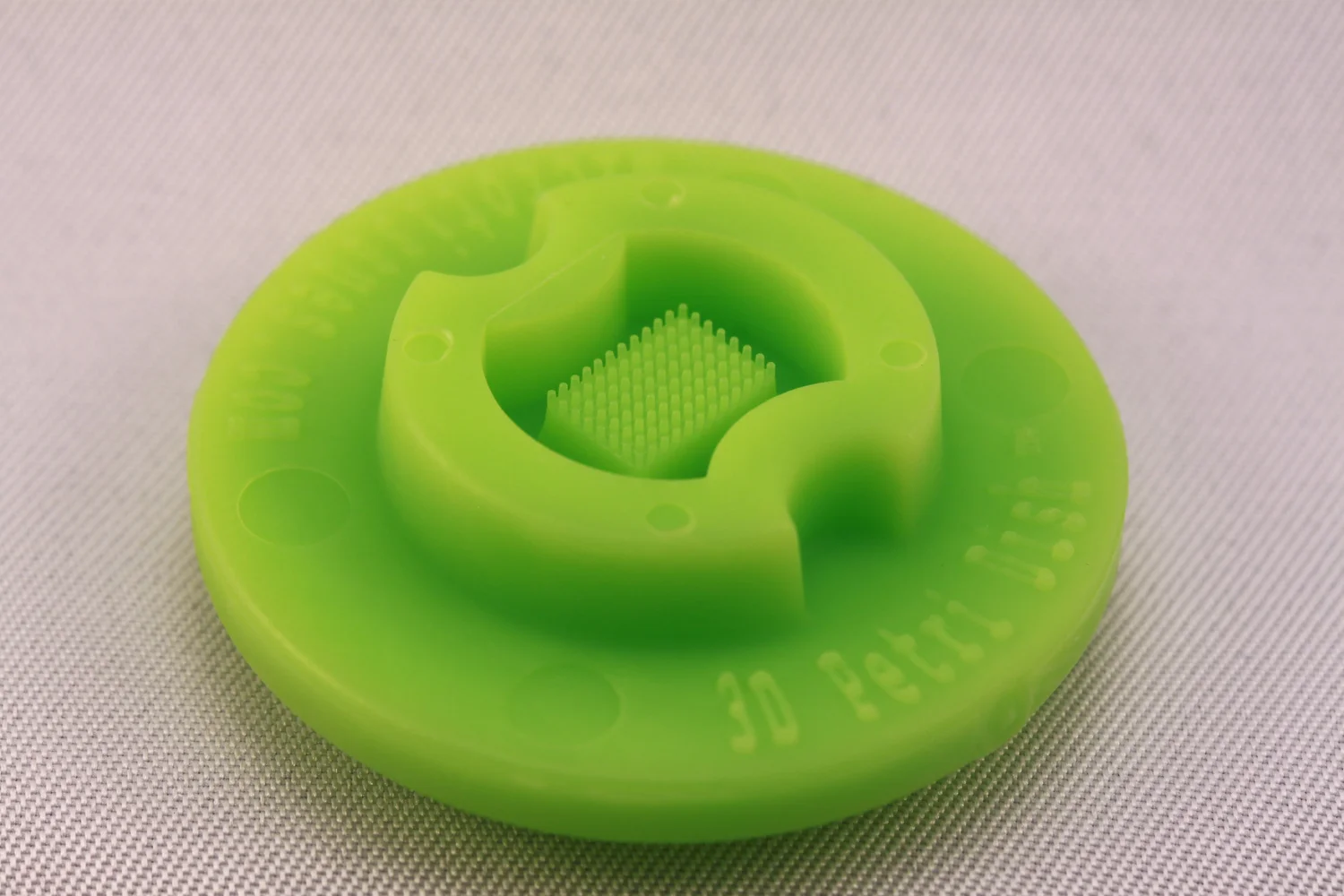
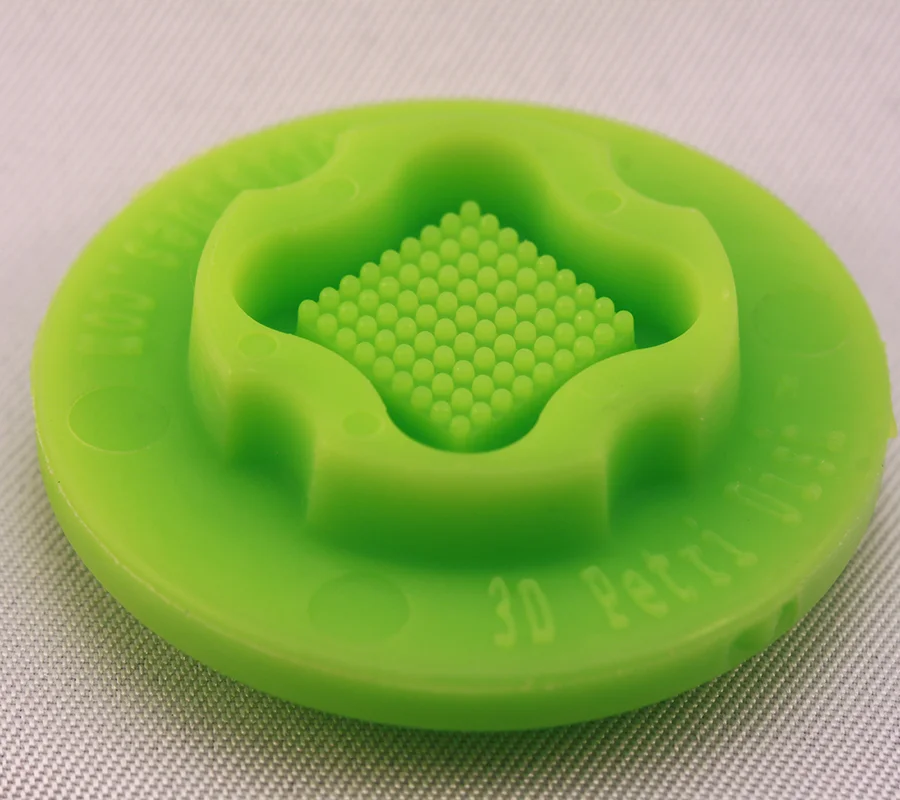
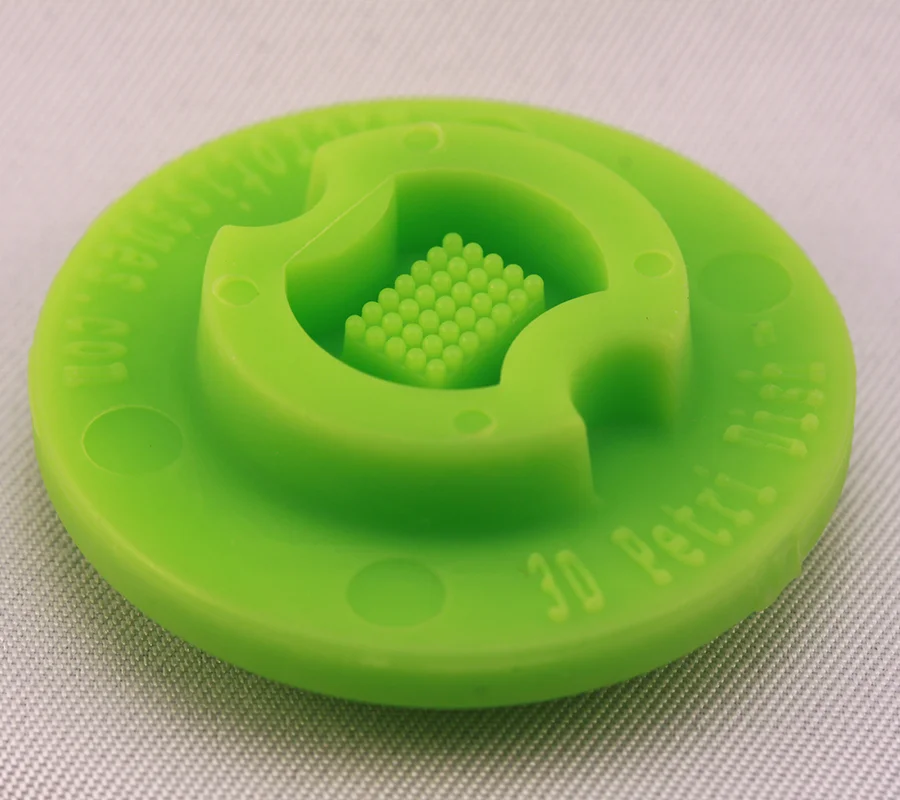
Published in Journal of Visualized Experiments (2025), this peer-reviewed study used 3D Petri Dish® micro-molds to form scaffold-free 3D microtissues. Full citation: Duś-Szachniewicz, Kamila, et al. Using Optical Tweezers for the Generation of Hybrid Spheroids
Using Optical Tweezers for the Generation of Hybrid Spheroids
Research Overview
2D culture still dominates preclinical cancer research even though 3D models better reproduce architecture, microenvironment, and drug response. Optical trapping uses focused laser beams to manipulate position, motion, and interaction of structures at nano- and microscale without touching them — a technique widely used in cell biology but undervalued in cancer research.
This paper recommends a noninvasive protocol using optical tweezers for generating lymphoma-stromal cell assemblies, bringing precise, contact-free control to the construction of 3D cancer co-culture models.
Key Discoveries
- Optical tweezers protocol for noninvasive generation of lymphoma-stromal cell assemblies
- Laser trapping manipulates cells without physical contact or damage
- Brings precise spatial control to 3D cancer co-culture construction