Summary
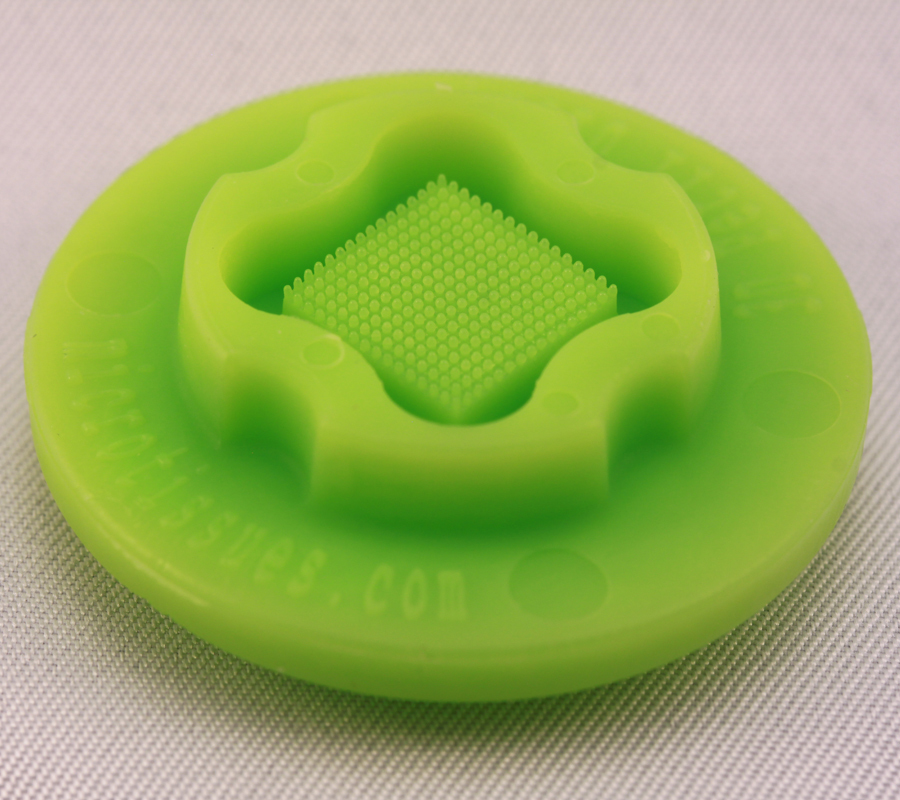
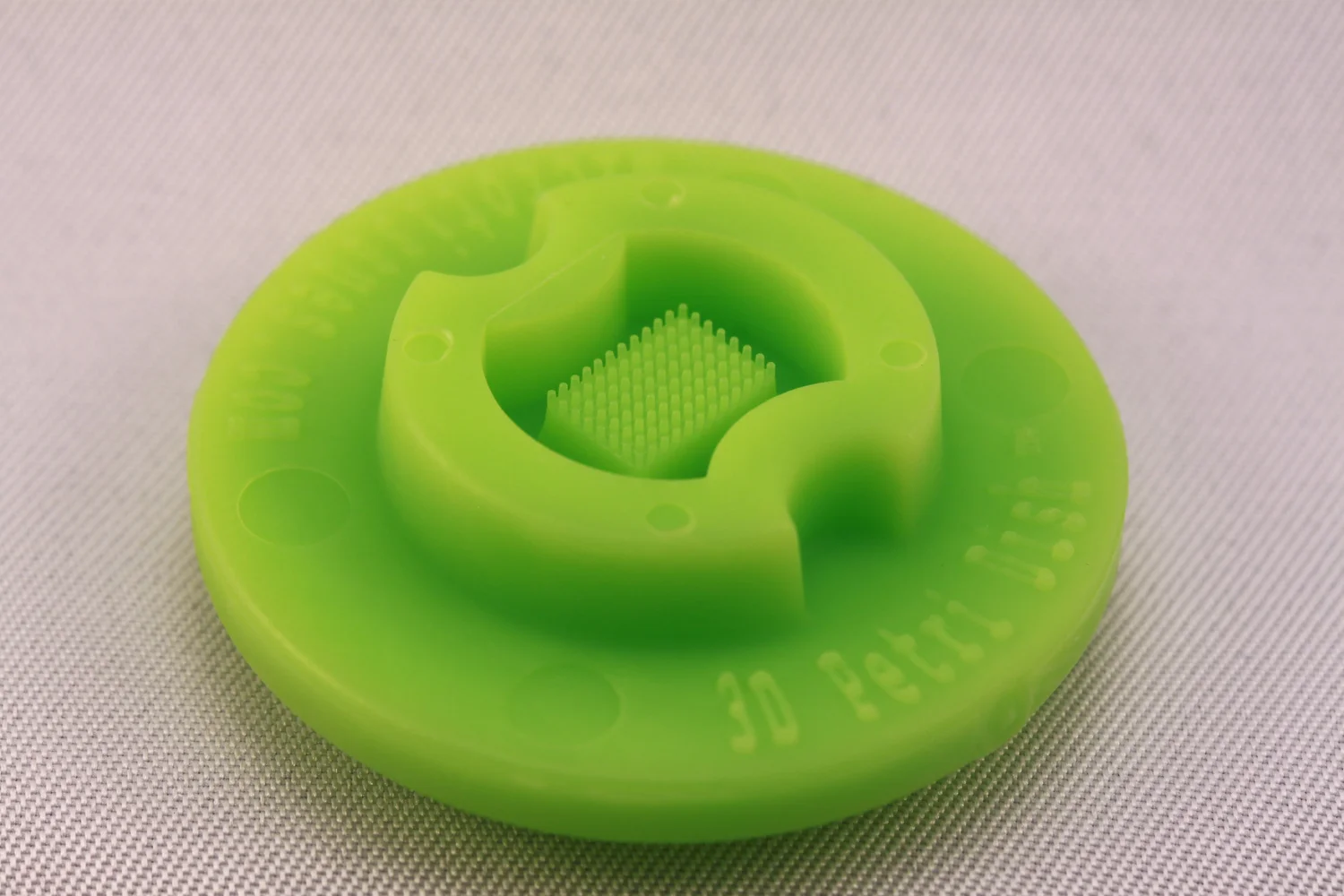
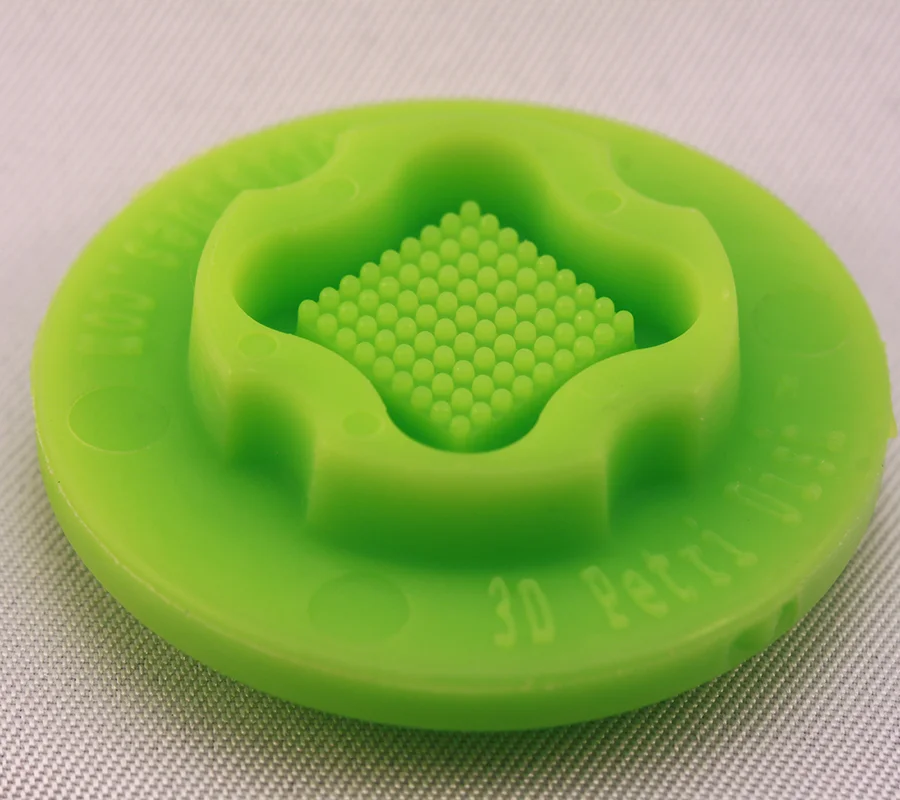
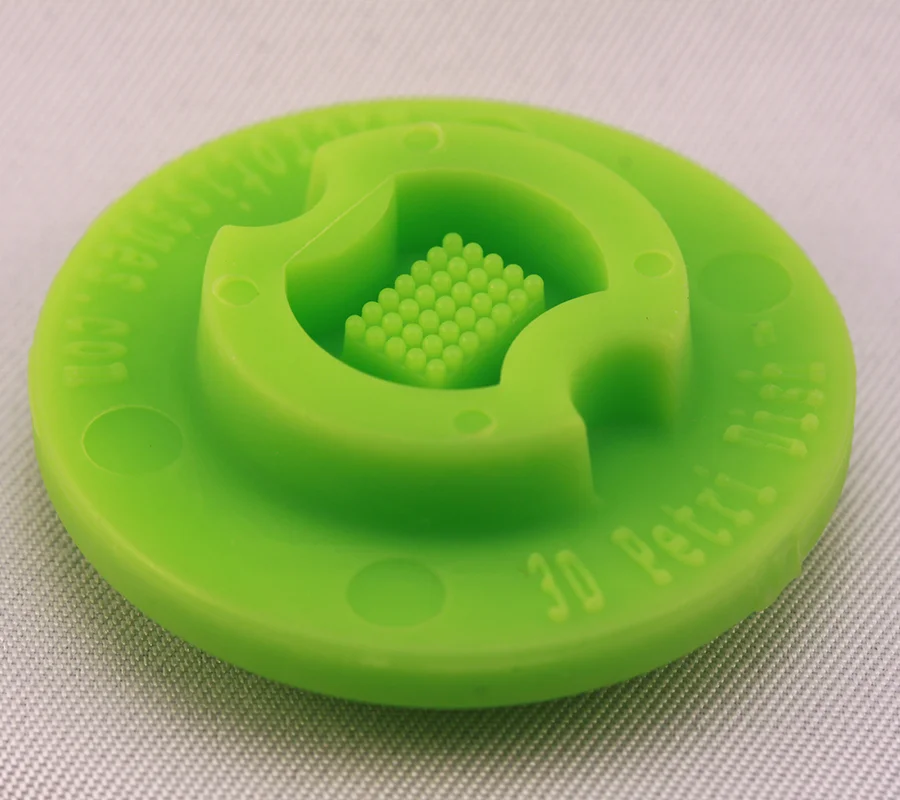
Published in Tissue Engineering Part A (2021), this peer-reviewed study used 3D Petri Dish® micro-molds to form scaffold-free 3D microtissues. Full citation: Côrtes, Isis, et al. A Scaffold- and Serum-Free Method to Mimic Human Stable Cartilage Validated by Secretome
A Scaffold- and Serum-Free Method to Mimic Human Stable Cartilage Validated by Secretome
Research Overview
Engineering stable cartilage without chondrocytes drifting into hypertrophy remains a key challenge. In this scaffold- and serum-free approach, suspensions of adipose stem/stromal cells and cartilage progenitor cells were seeded into micro-molded nonadhesive hydrogel to form spheroids (~350 µm), which were characterized by immunohistochemistry, fusion behavior, biomechanics, surface markers, gene expression, and mass-spectrometry analysis of secreted proteins.
Induced adipose-stem-cell spheroids stayed highly viable and shifted toward a chondrogenic profile: SOX9 and the TGF-β3/TGF-β1 ratio increased while inflammatory and hypertrophy-associated markers (IL-6, IL-8, RUNX2, ALPL) decreased, and the spheroids fused completely — supporting their use as building blocks for stabilized cartilage constructs.
Key Discoveries
- Scaffold- and serum-free cartilage spheroids (~350 µm) formed in micro-molded nonadhesive hydrogel
- Chondrogenic markers (SOX9, TGF-β3/TGF-β1 ratio) rose while hypertrophy markers (RUNX2, ALPL) fell
- Induced spheroids fused completely — usable as building blocks for cartilage constructs