Summary
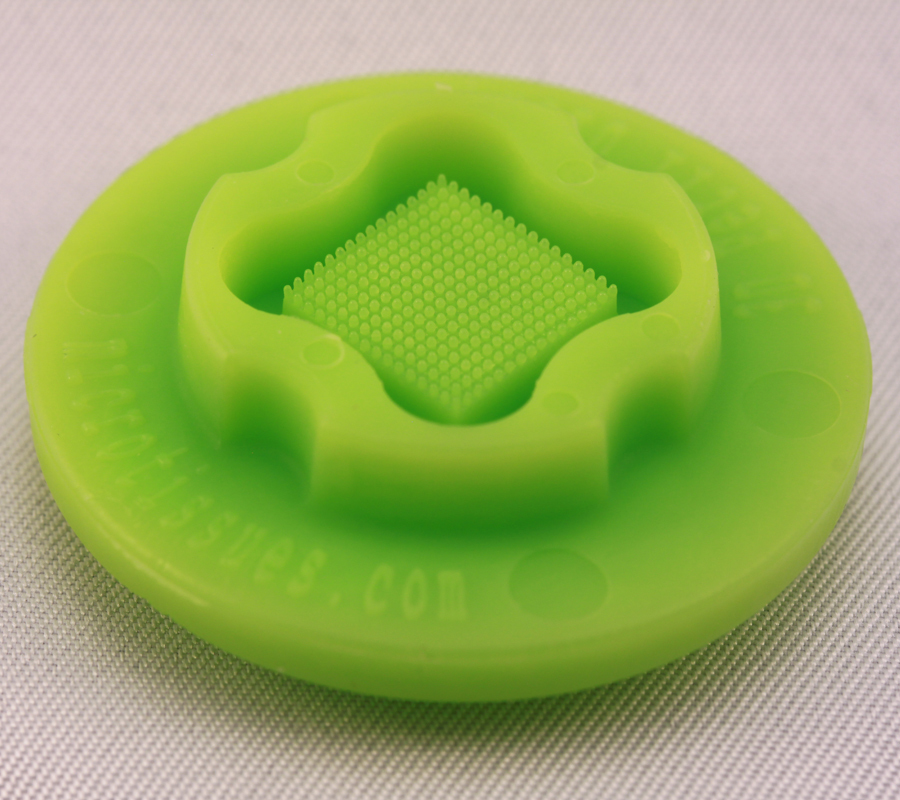
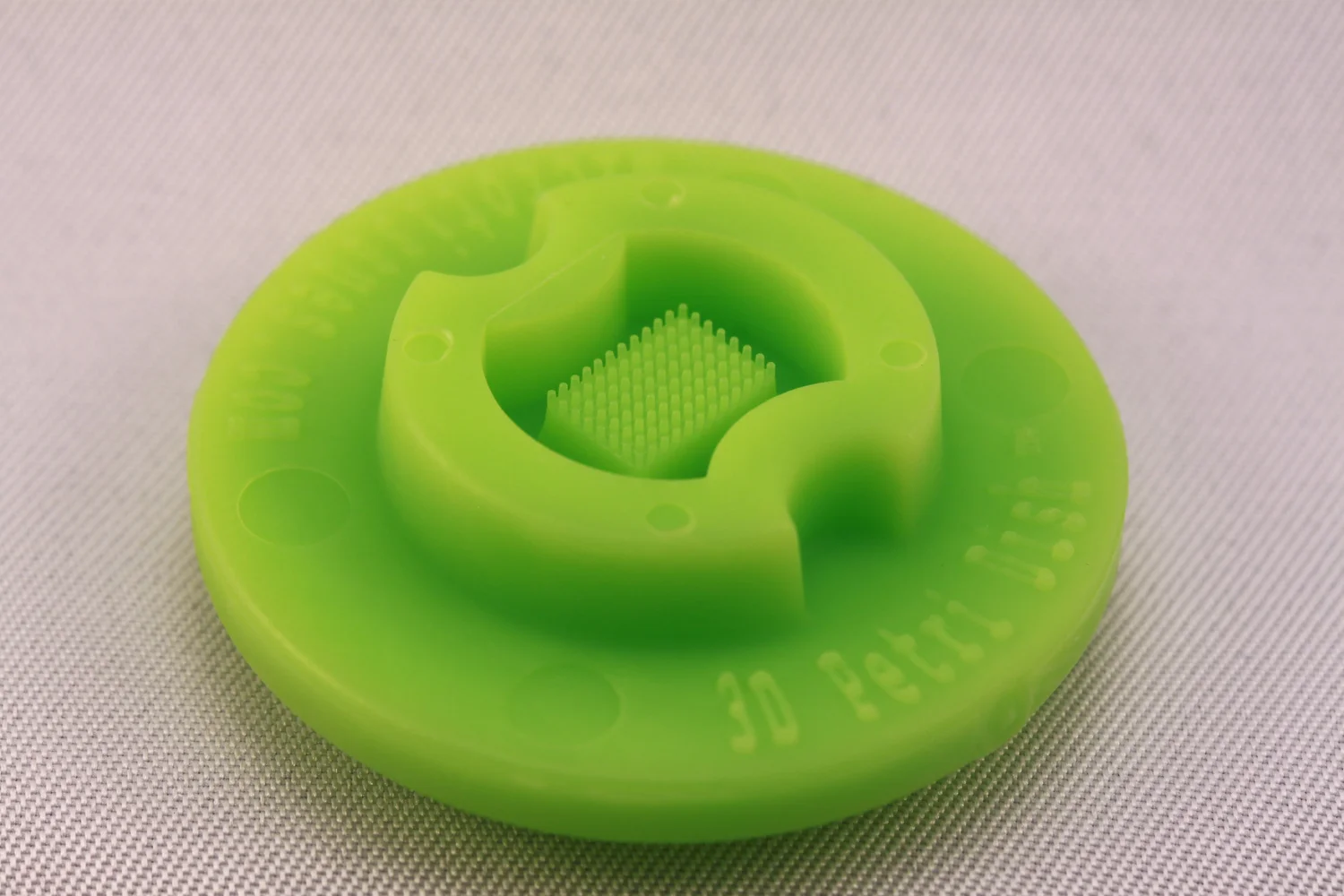
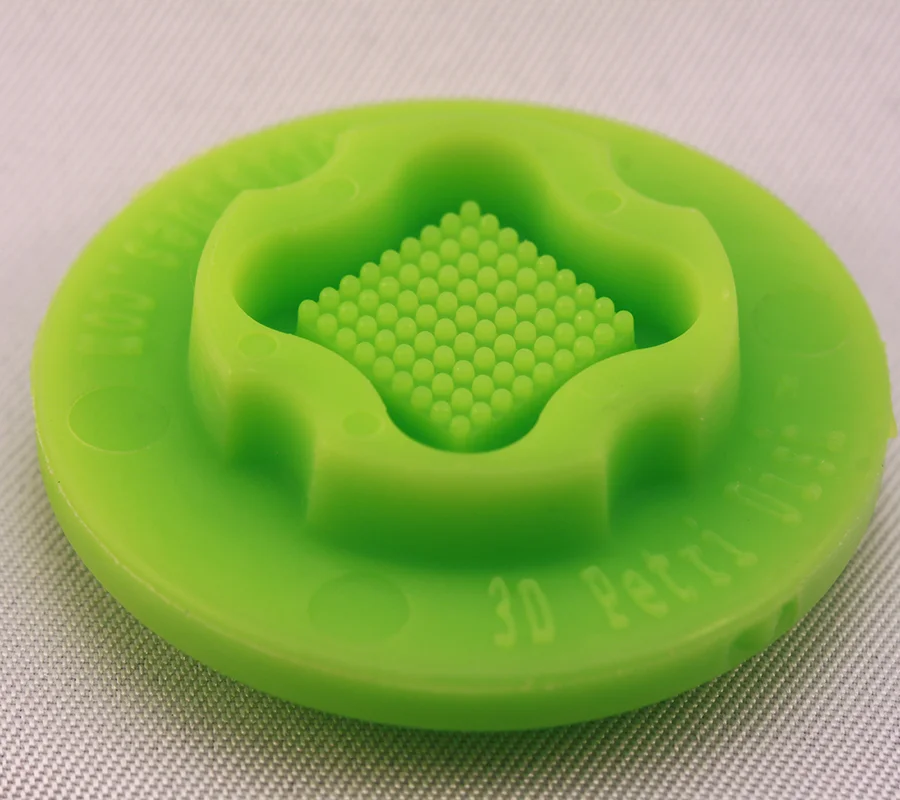
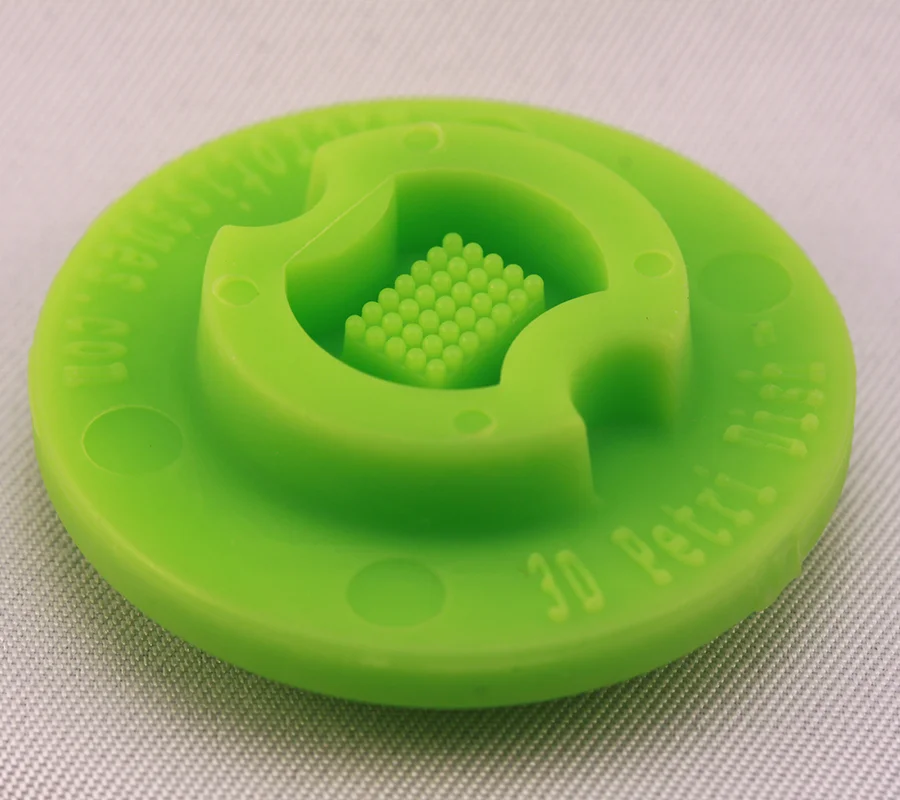
Published in Science Advances (2023), this peer-reviewed study used 3D Petri Dish® micro-molds to form scaffold-free 3D microtissues. Full citation: Tan, Yu, et al. Nanowired human cardiac organoid transplantation enables highly efficient and effective recovery of infarcted hearts
Nanowired human cardiac organoid transplantation enables highly efficient and effective recovery of infarcted hearts
Research Overview
Human cardiac organoids hold potential for disease modeling and stem-cell-derived cardiomyocyte transplantation. This study engineered organoids with electrically conductive silicon nanowires to boost therapeutic efficacy in infarcted hearts.
After demonstrating nanowire biocompatibility and improved cardiac microtissue engraftment in healthy rat myocardium, nanowired organoids were built from stem-cell-derived cardiomyocytes, nonmyocyte supporting cells, and the nanowires. The supporting cells conferred greater ischemia tolerance, while the nanowires significantly improved electrical pacing capability — addressing both survival and electrical integration of transplanted tissue.
Key Discoveries
- Electrically conductive silicon nanowires engineered into human cardiac organoids
- Nonmyocyte supporting cells conferred greater ischemia tolerance
- Nanowires significantly improved electrical pacing capability of the organoids