Summary
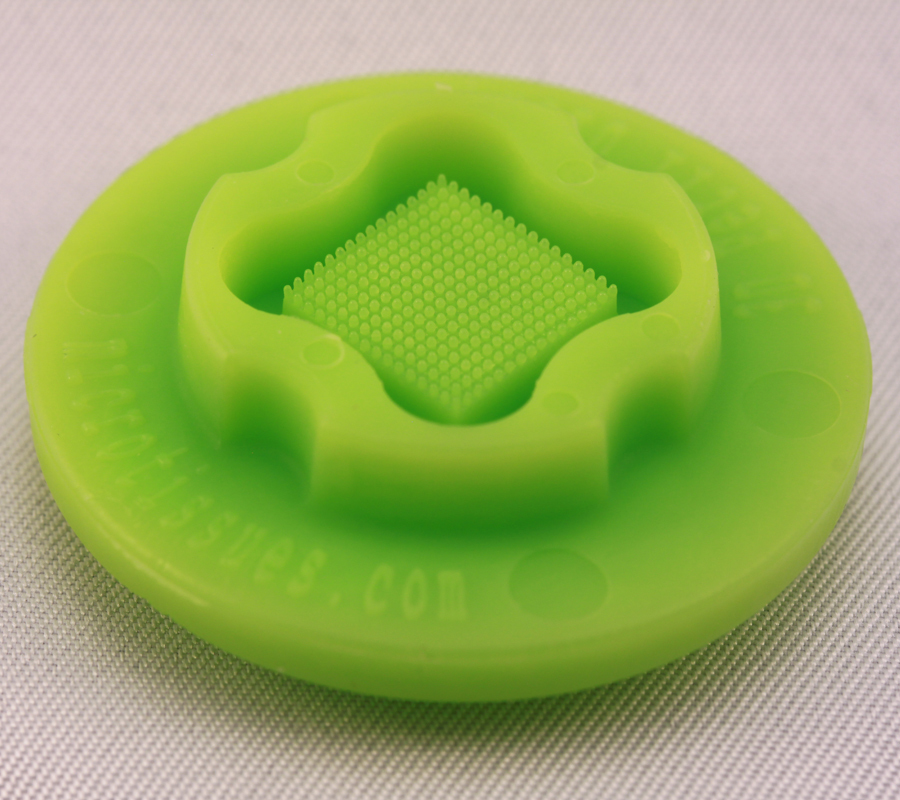
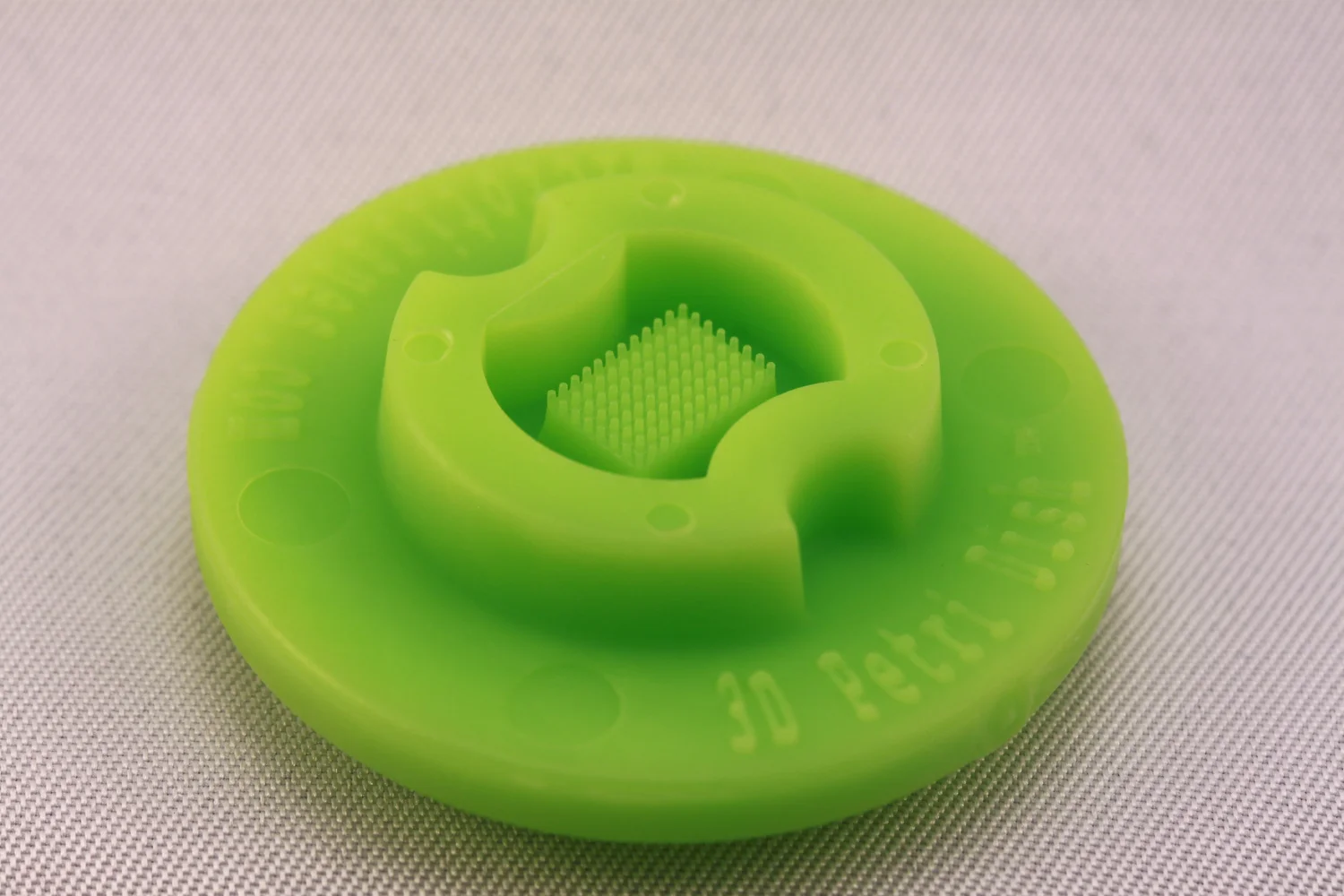
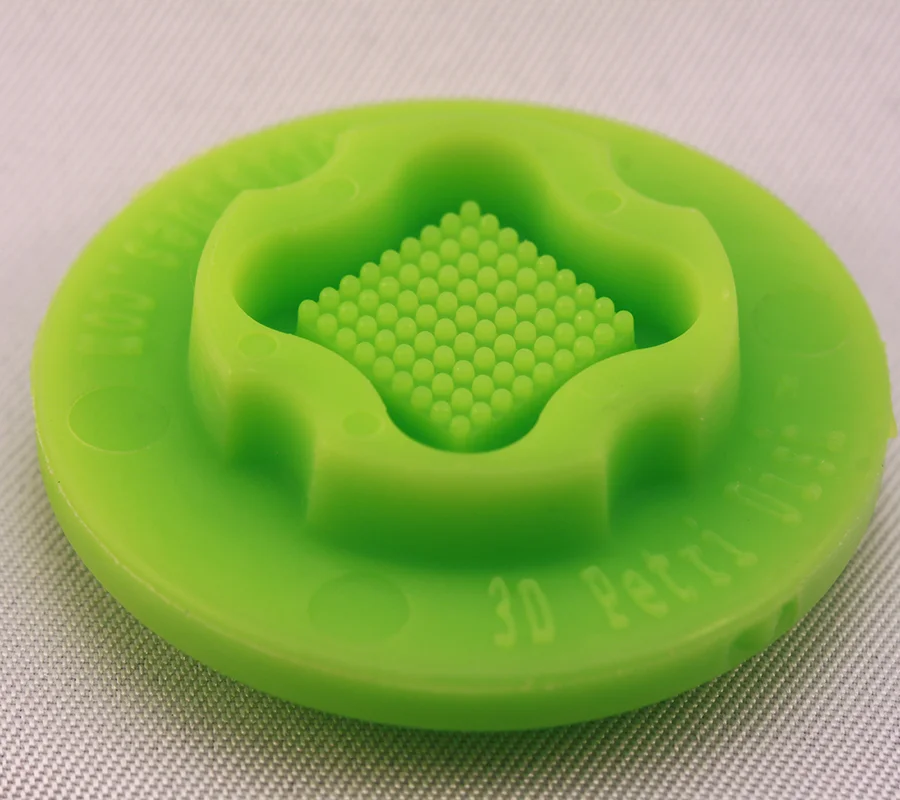
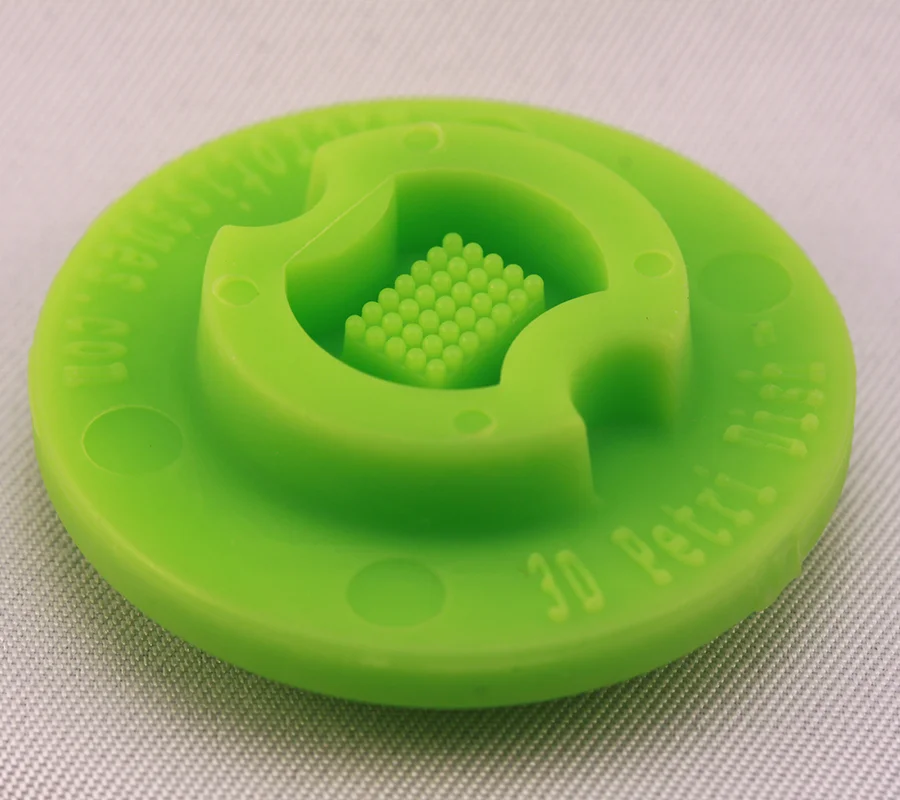
Published in Chemosphere (2024), this peer-reviewed study used 3D Petri Dish® micro-molds to form scaffold-free 3D microtissues. Full citation: Ma, Jianyong, et al. Toxicity of low dose bisphenols in human iPSC-derived cardiomyocytes and human cardiac organoids – Impact on contractile function and hypertrophy
Toxicity of low dose bisphenols in human iPSC-derived cardiomyocytes and human cardiac organoids – Impact on contractile function and hypertrophy
Research Overview
Bisphenol A and its analogs are common environmental chemicals with suspected cardiac toxicity. This study examined long-term effects of low doses of BPA plus three analogs — BPS, BPF, and BPAF — in human iPSC-derived cardiomyocyte models, exposing cells and cardiac organoids for 4–5 or 20 days.
At just 1 nM, BPA, BPS, and BPAF — but not BPF — suppressed myocyte contractility, slowed contraction kinetics, and produced aberrant calcium transients in the cardiomyocytes. In cardiac organoids, BPAF and BPA showed effects the other analogs did not, indicating that common BPA substitutes are not automatically safer.
Key Discoveries
- 1 nM BPA, BPS, and BPAF suppressed contractility and disrupted calcium transients; BPF did not
- Effects confirmed in both cardiomyocytes and 3D cardiac organoids over up to 20 days
- Shows common BPA replacement analogs are not necessarily safer for cardiac tissue