Summary
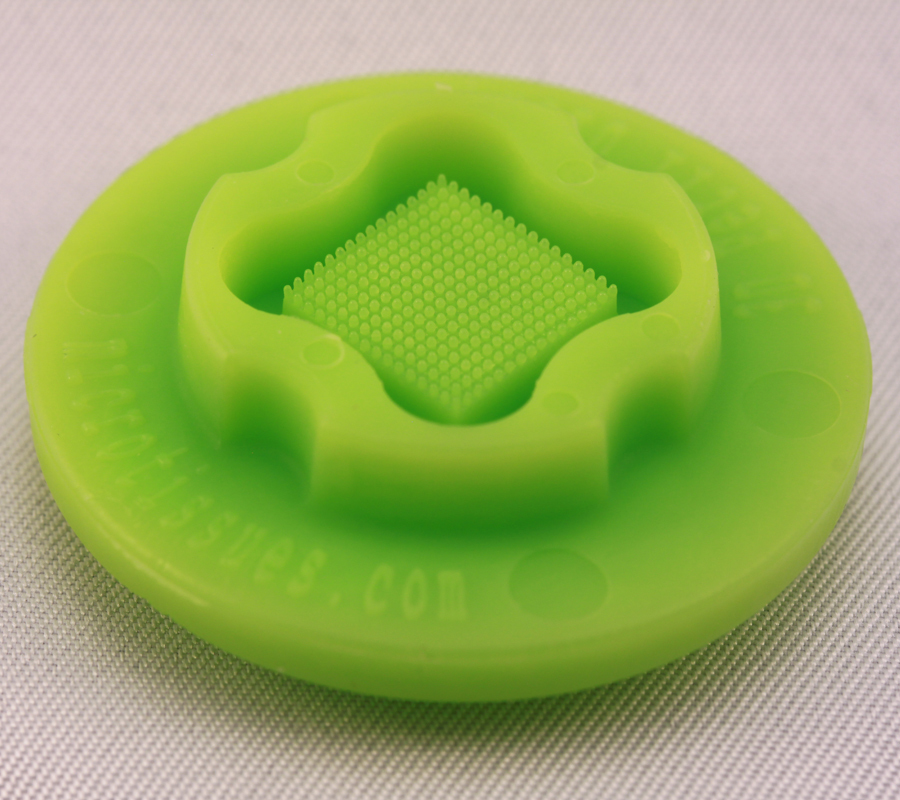
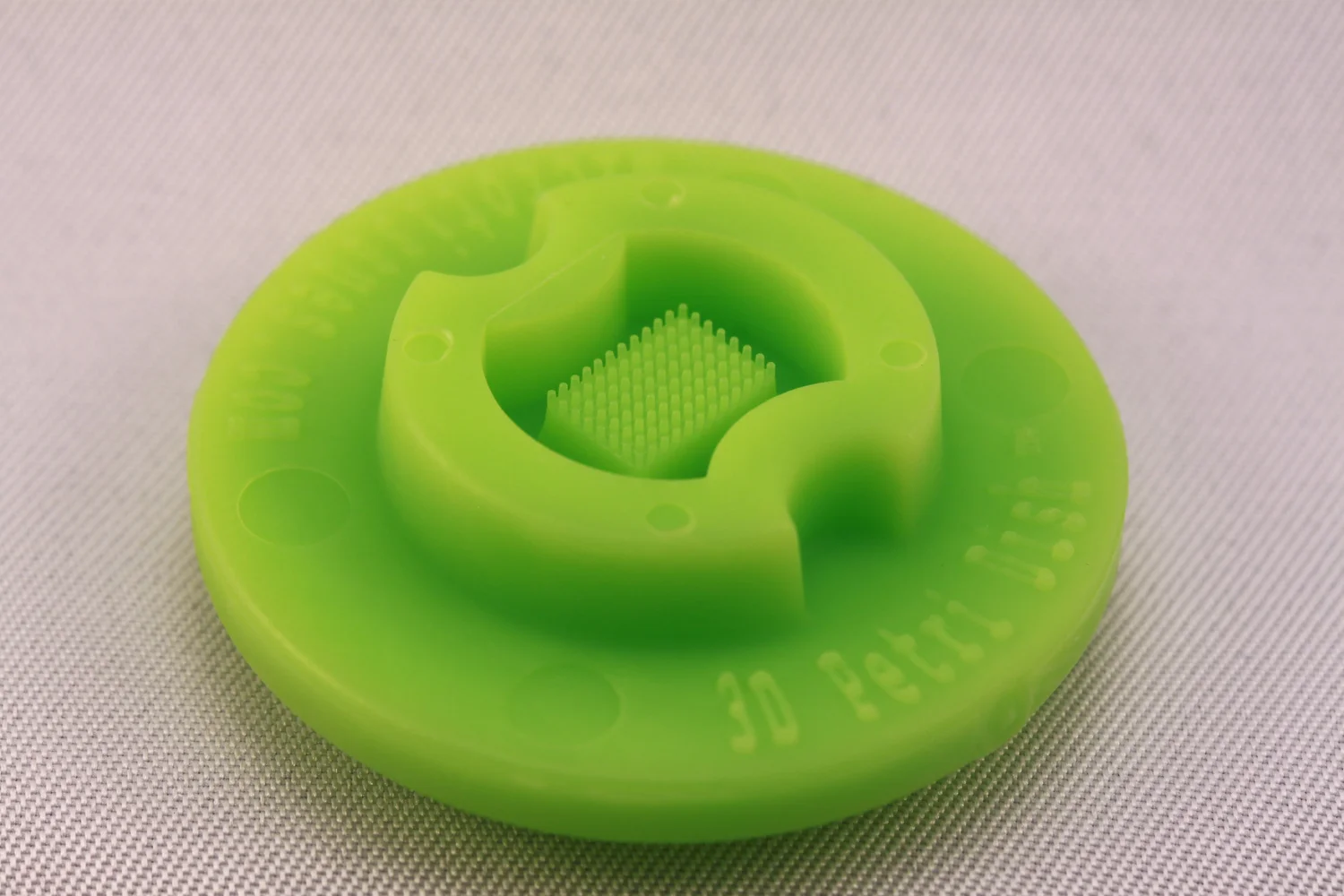
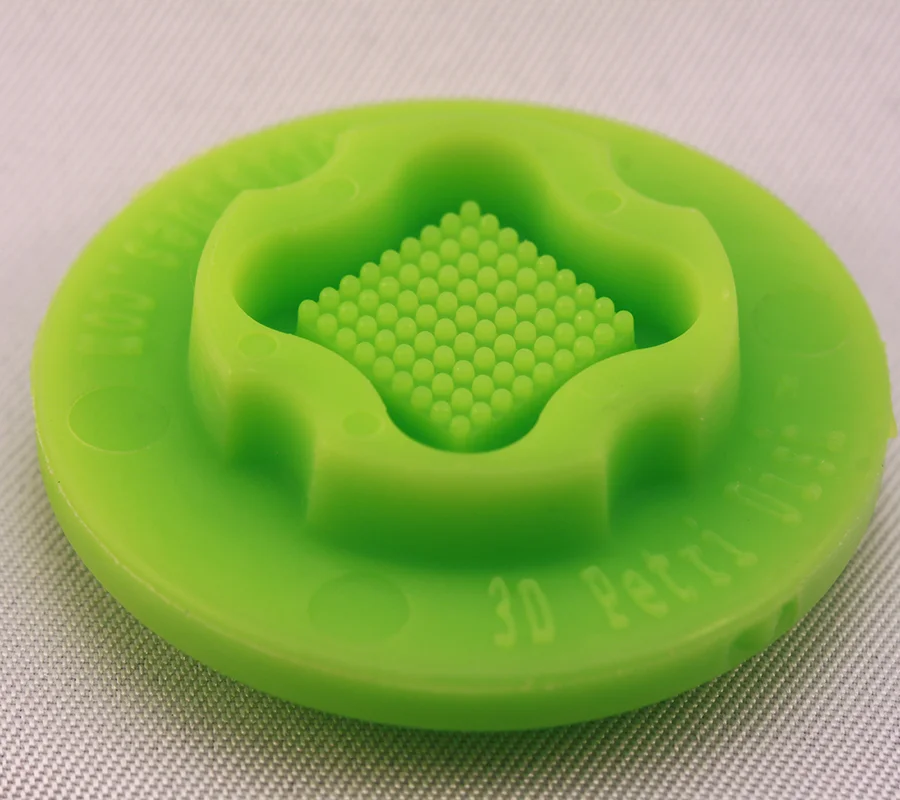
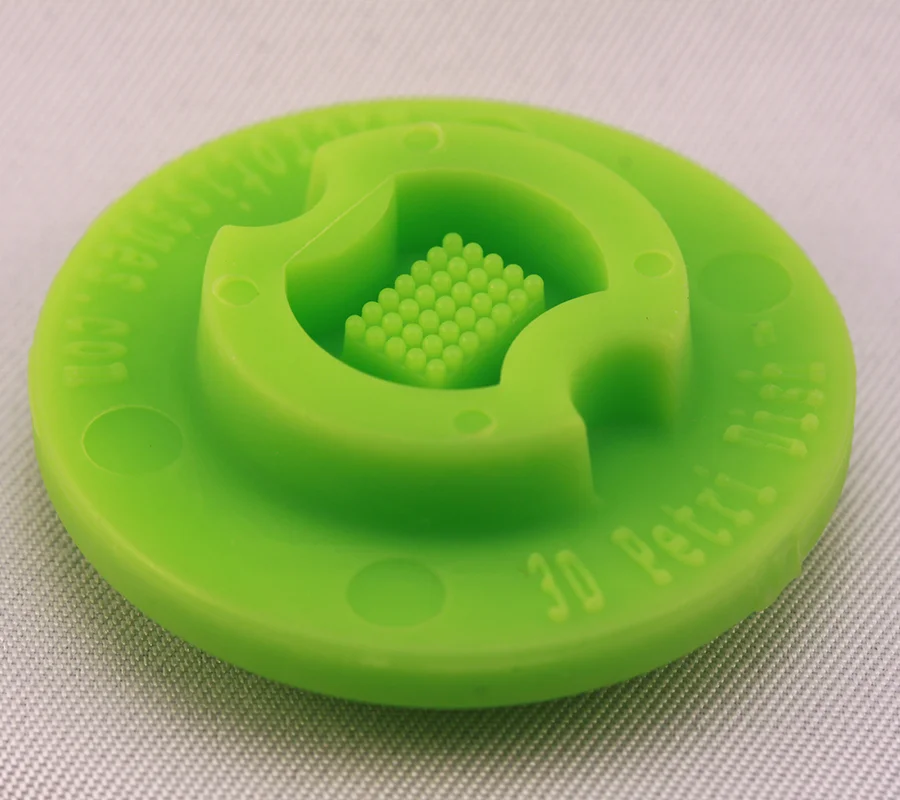
Published in SLAS Technology (2020), this peer-reviewed study used 3D Petri Dish® micro-molds to form scaffold-free 3D microtissues. Full citation: Manning, Kali L., et al. Toward Automated Additive Manufacturing of Living Bio-Tubes Using Ring-Shaped Building Units
Toward Automated Additive Manufacturing of Living Bio-Tubes Using Ring-Shaped Building Units
Research Overview
Tissue engineering has largely stayed inside academic institutions with limited commercial success, and closing that gap requires automated manufacturing processes.
This article describes automation of the funnel-guide, an additive manufacturing method that uses living tissue rings as building units to form bio-tubes. The authors developed a method based on 96-well plates and a modified off-the-shelf liquid-handling robot that retrieves tissue rings, performs real-time quality control, and transfers them to the funnel-guide — with cells seeded into 96-well plates containing specially designed agarose molds.
Key Discoveries
- Funnel-guide additive manufacturing automated with a modified off-the-shelf liquid-handling robot
- Living tissue rings retrieved, quality-controlled in real time, and assembled into bio-tubes
- 96-well agarose mold format made the process compatible with standard lab automation