Summary
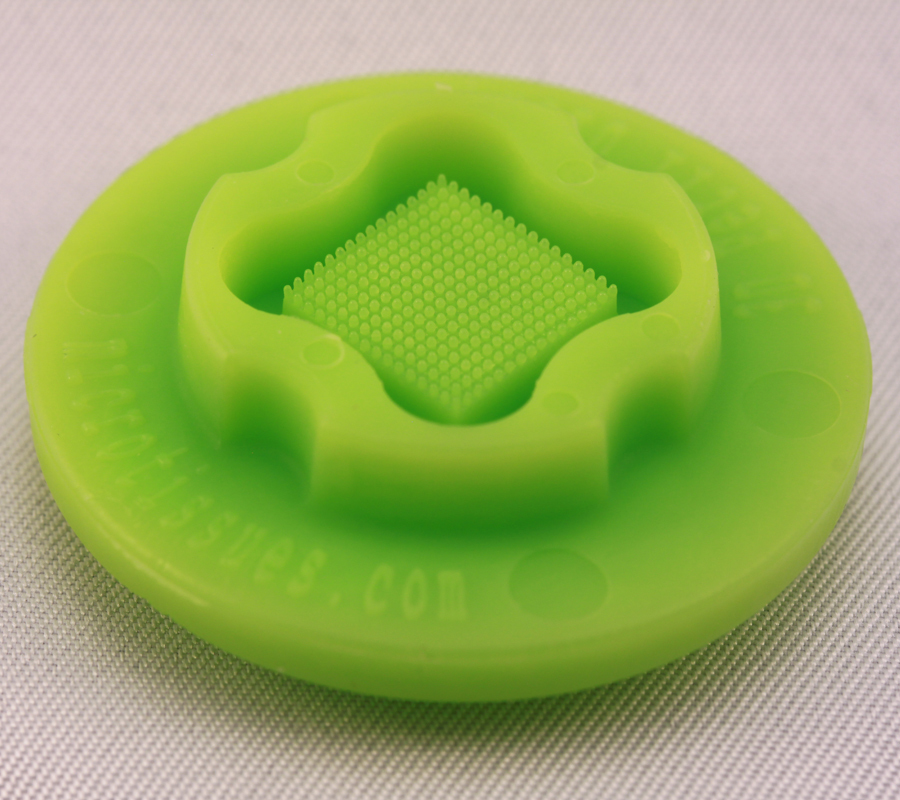
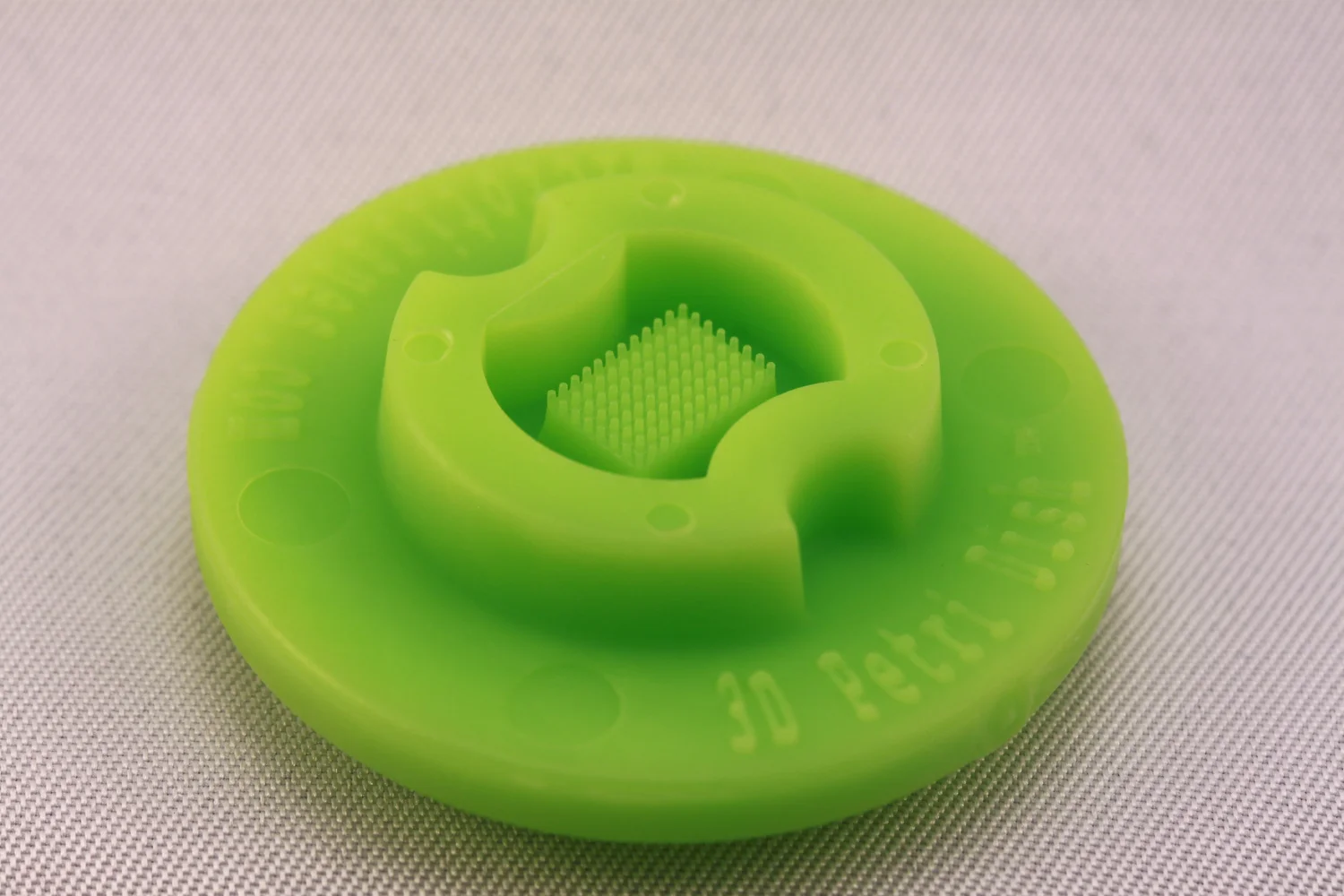
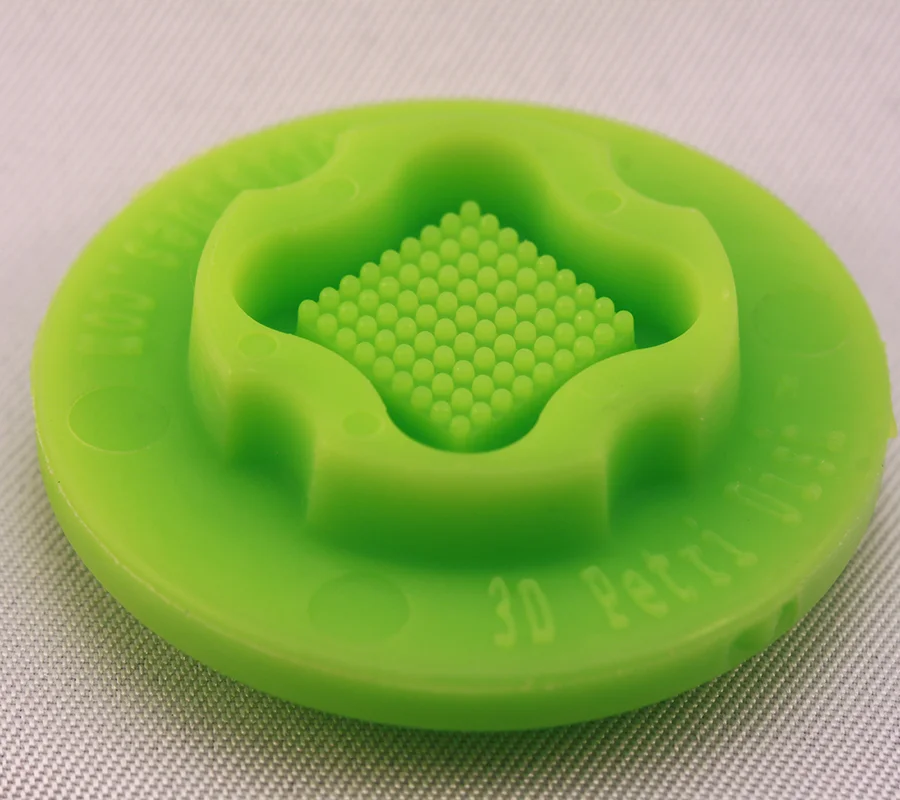
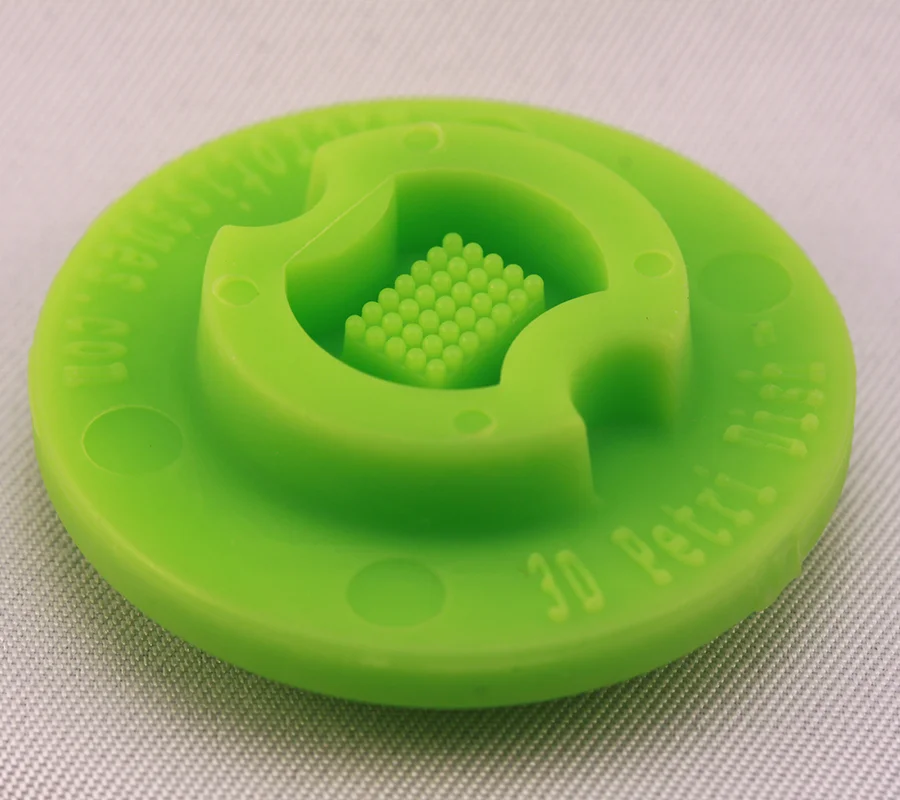
Published in In vitro models (2025), this peer-reviewed study used 3D Petri Dish® micro-molds to form scaffold-free 3D microtissues. Full citation: Wu, Yanying, et al. An in vitro model to measure the strength and stiffness of the extracellular matrix synthesized de novo by human fibroblasts
An in vitro model to measure the strength and stiffness of the extracellular matrix synthesized de novo by human fibroblasts
Research Overview
Altered strength and stiffness of the human extracellular matrix underlies conditions from inherited Ehlers-Danlos syndrome to acquired fibrosis, and evaluating new therapies requires models that can actually measure those mechanical properties in human matrix.
This study seeded cultured human fibroblasts into circular agarose troughs molded in a 24-well plate and equilibrated with culture medium. The cells settled by gravity, aggregated, and formed 3D ring-shaped tissues 5 mm in diameter — assembling a measurable human extracellular matrix without any added exogenous scaffold protein.
Key Discoveries
- Fibroblasts self-assembled into 5 mm ring-shaped tissues in molded agarose troughs
- Tissues generated their own human extracellular matrix with no exogenous scaffold added
- Model designed to measure matrix strength and stiffness for fibrosis therapy evaluation