Summary
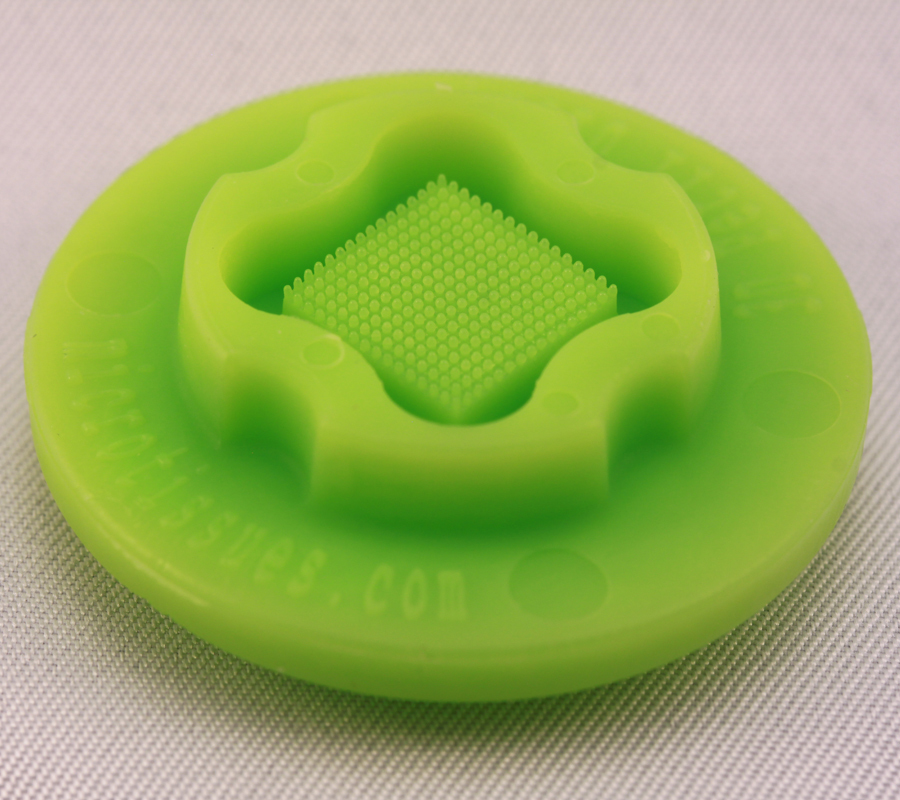
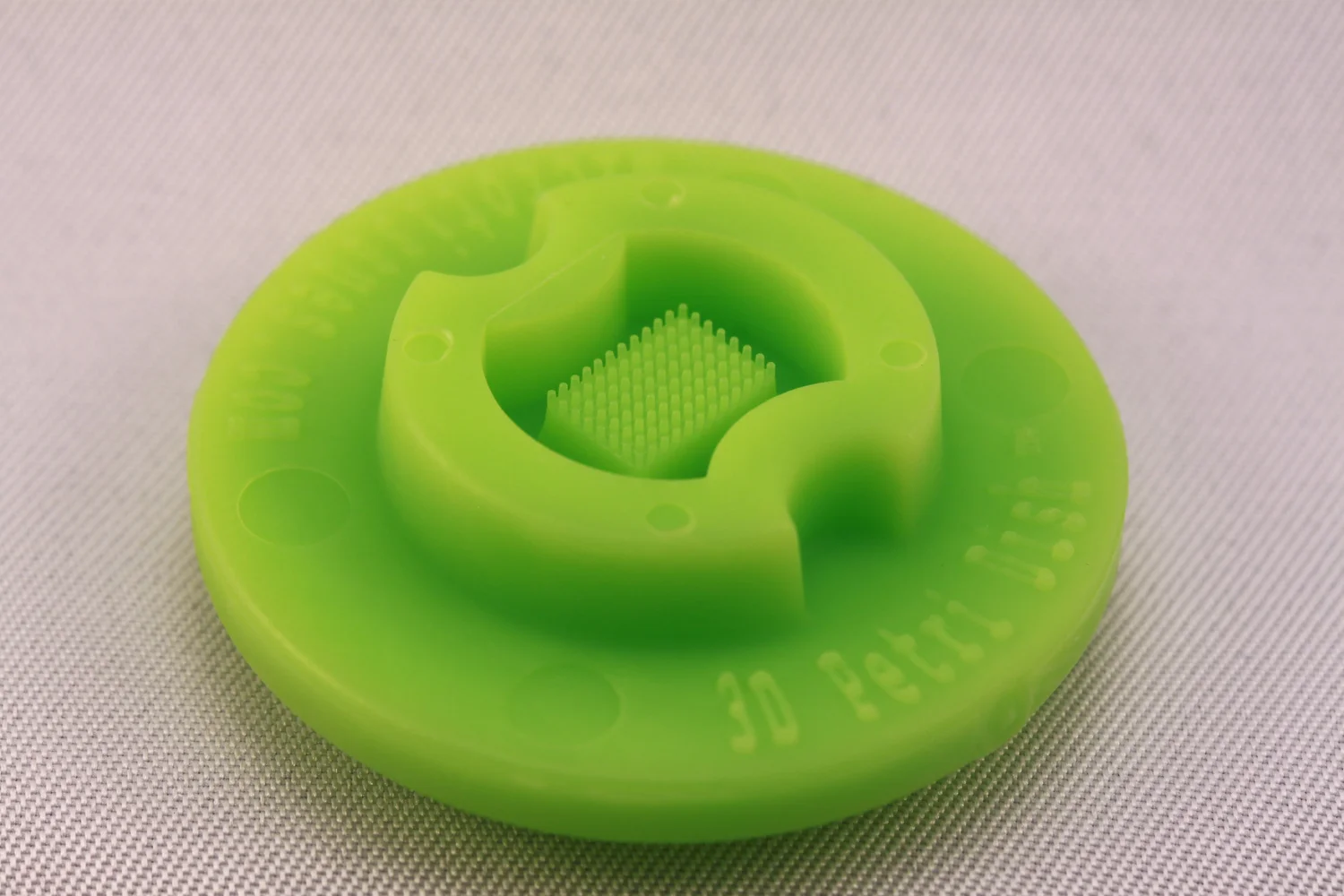
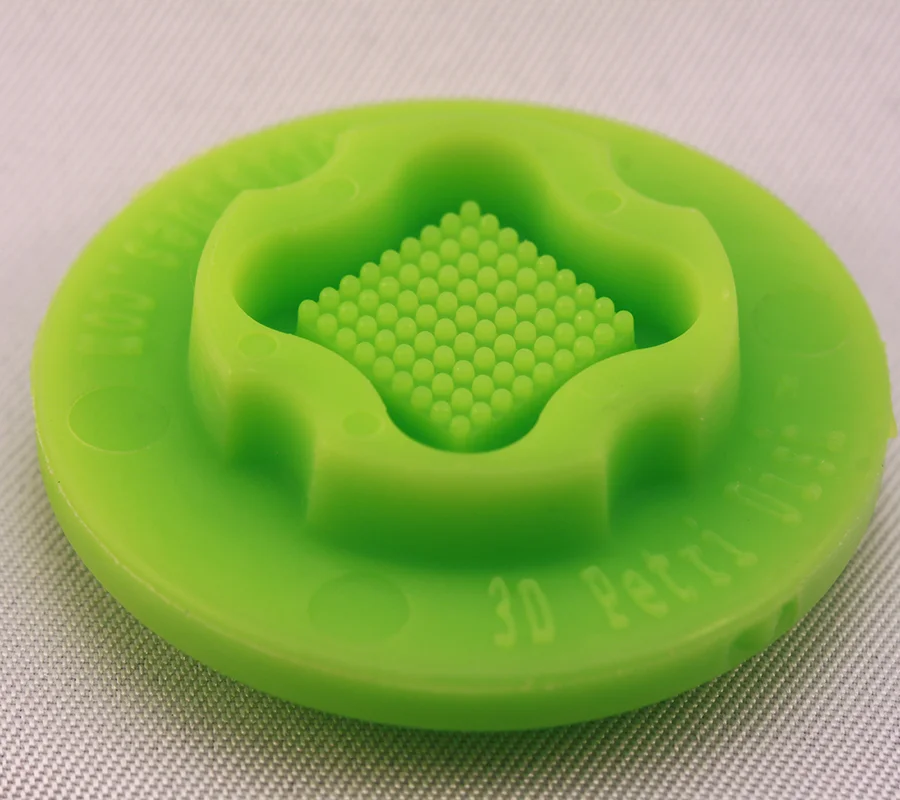
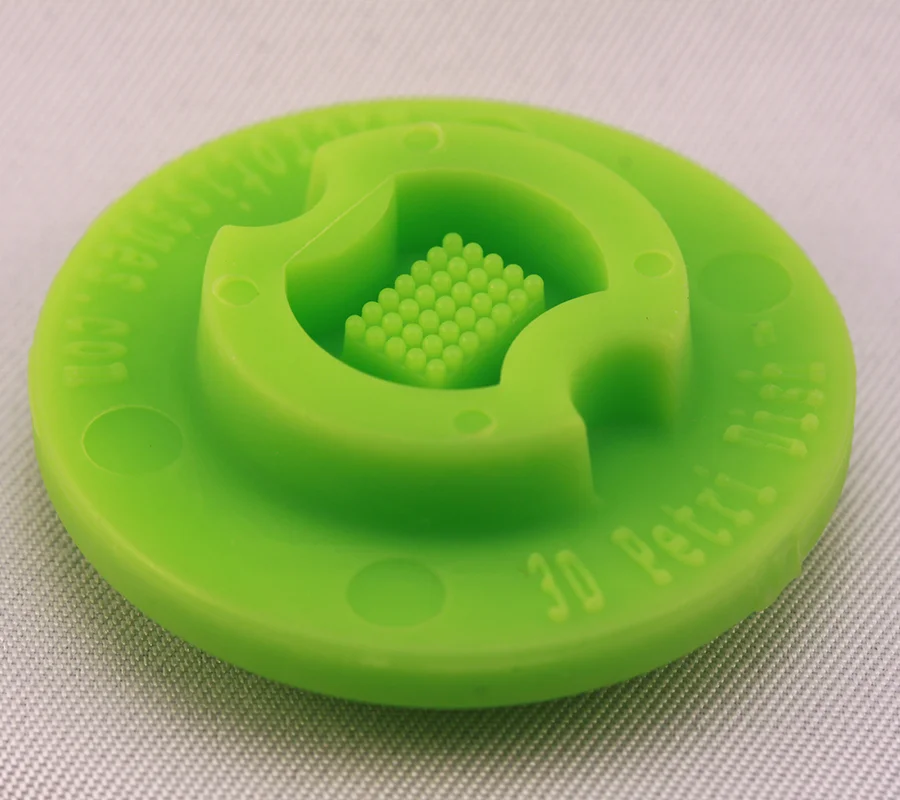
Published in Foods (2024), this peer-reviewed study used 3D Petri Dish® micro-molds to form scaffold-free 3D microtissues. Full citation: Ferrari, Sara, et al. Analysis of the Beneficial Effects of Probiotics on the Gut–Prostate Axis Using Prostatic Co-Culture Model
Analysis of the Beneficial Effects of Probiotics on the Gut–Prostate Axis Using Prostatic Co-Culture Model
Research Overview
A gut–prostate connection has been proposed as a therapeutic angle on benign prostatic hyperplasia. This study tested a novel oral probiotic supplement combining Bifidobacterium longum and Bifidobacterium psychaerophilum, first in a 3D intestinal barrier model simulating oral intake, then in a co-culture prostate model under BPH-like conditions.
The probiotics modulated the primary mechanisms implicated in BPH pathogenesis: after intestinal passage, the mediators released by the two strains produced measurable effects in the prostate model, supporting a functional link between gut microbiome and prostate disease.
Key Discoveries
- B. longum and B. psychaerophilum tested through a 3D intestinal barrier model mimicking oral intake
- Post-intestinal mediators acted on a BPH-like prostate co-culture
- Probiotics modulated the primary mechanisms of BPH pathogenesis