Summary
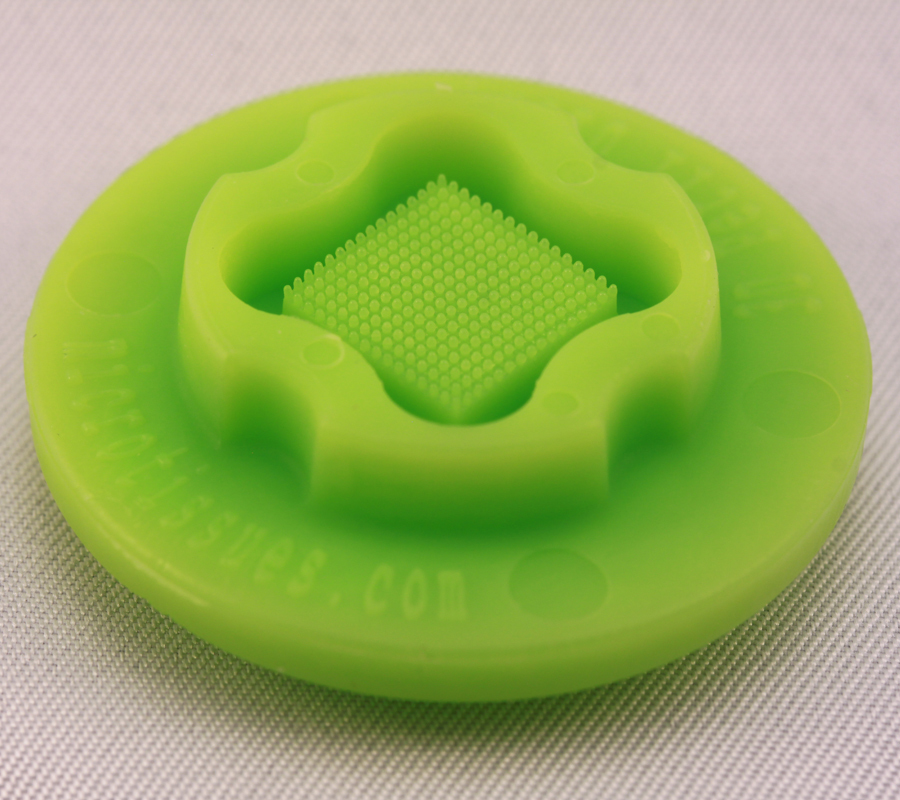
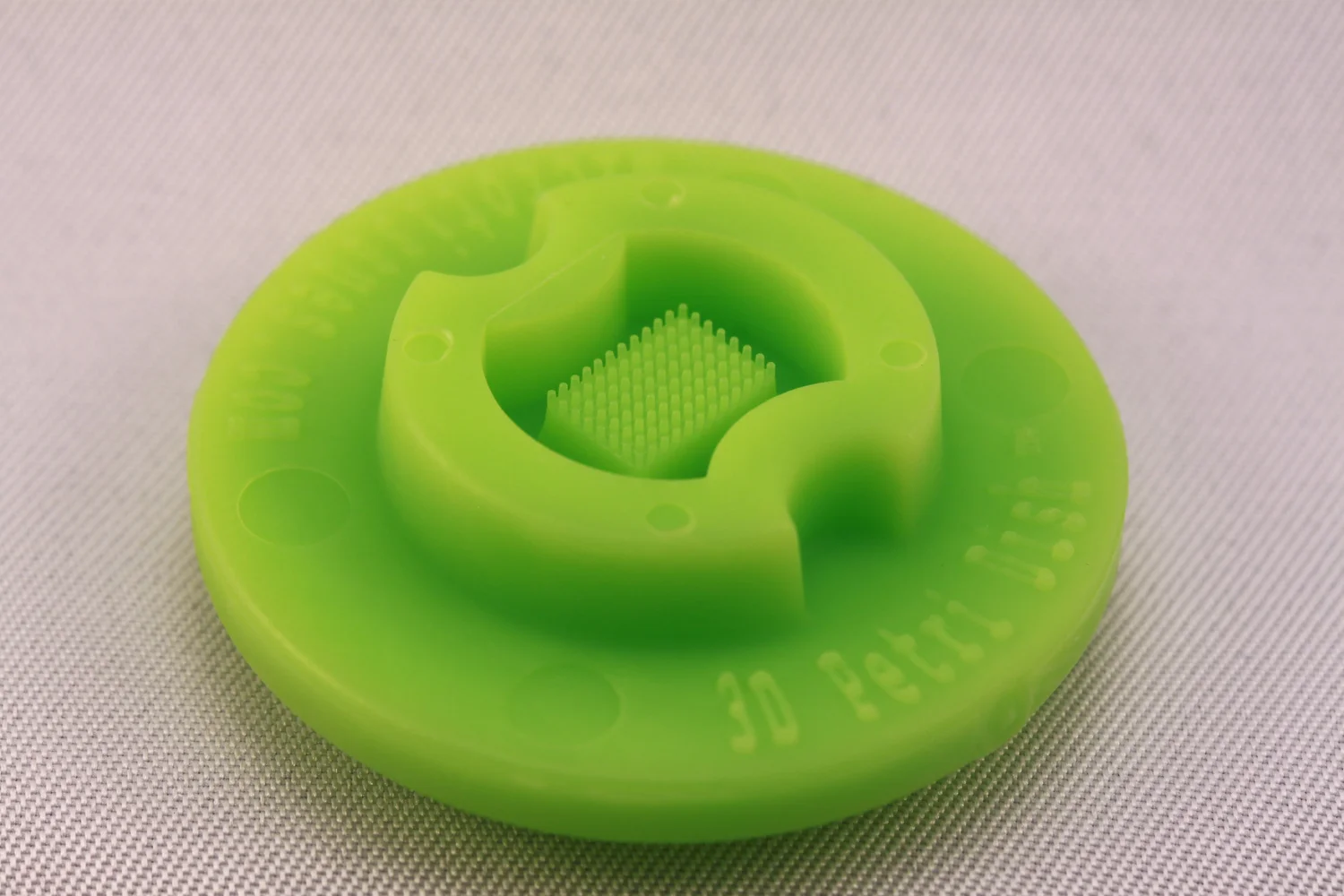
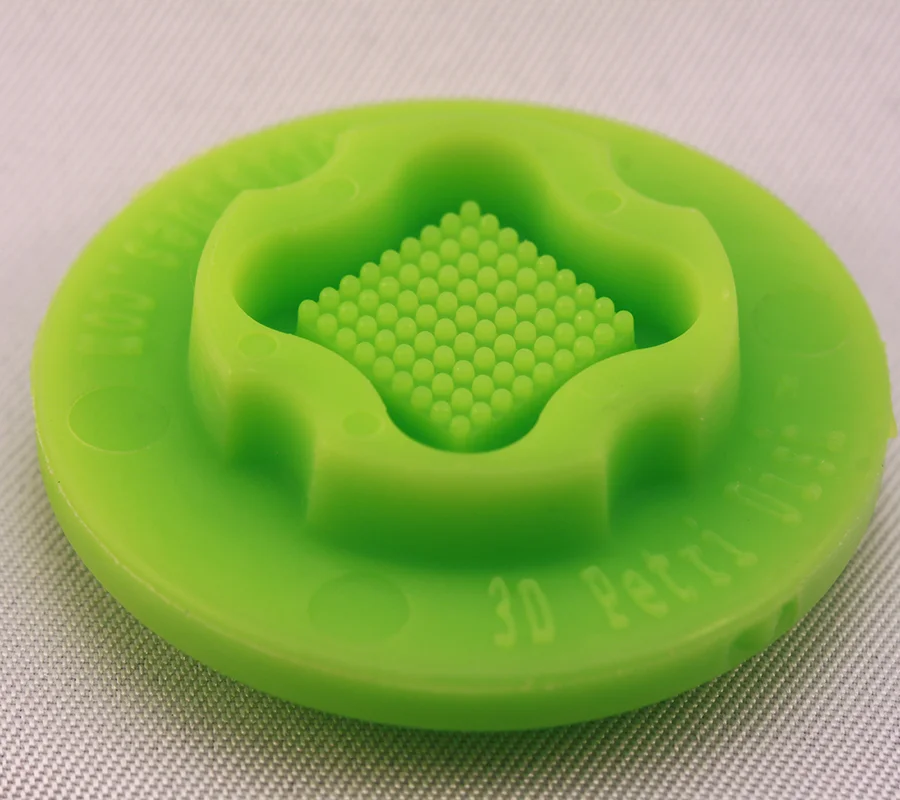
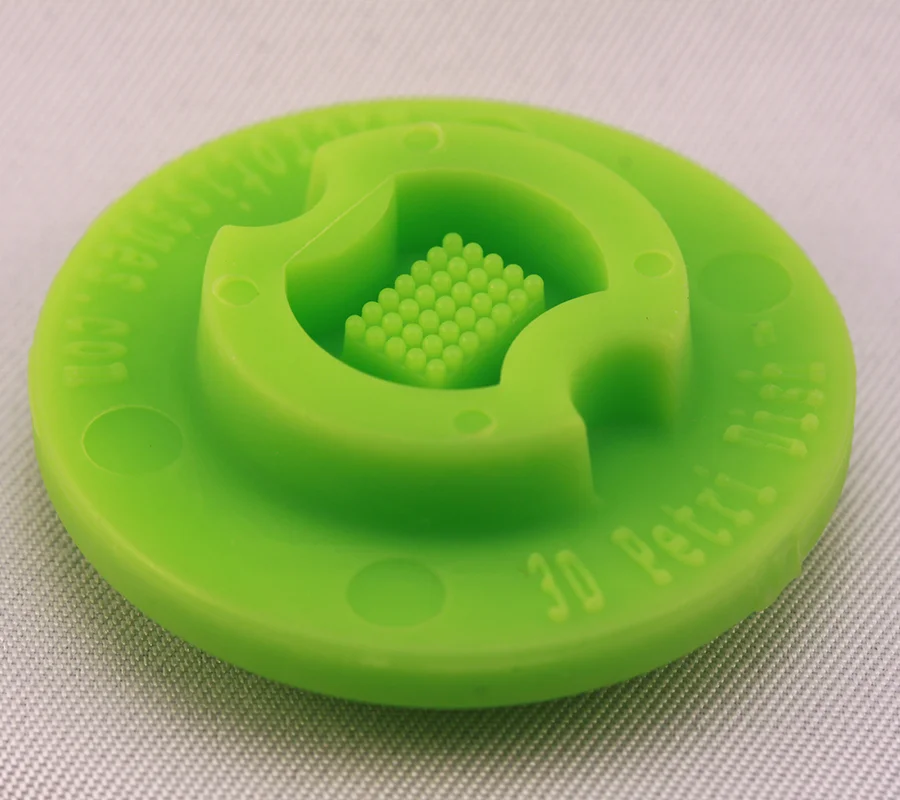
Published in Journal of Biomedical Materials Research Part A (2017), this peer-reviewed study used 3D Petri Dish® micro-molds to form scaffold-free 3D microtissues. Full citation: Yang, Shu‐Hua, et al. The influence of oxygen concentration on the extracellular matrix production of human nucleus pulposus cells during isolation‐expansion process
The influence of oxygen concentration on the extracellular matrix production of human nucleus pulposus cells during isolation‐expansion process
Research Overview
Nucleus pulposus cells sit at the center of avascular intervertebral discs and are presumably adapted to low oxygen. This study asked whether the oxygen level used during isolation and expansion carries forward into how those cells behave in later 3D culture.
Human nucleus pulposus tissue from patients undergoing lumbar disc surgery was split into two aliquots per patient and cultivated under classical normoxia (21% O2) or hypoxia (3.5% O2). After isolation and expansion, microtissues were formed from the cells and assessed for proliferation and extracellular matrix synthesis — testing whether expansion oxygen level primes later 3D tissue performance.
Key Discoveries
- Paired patient samples expanded under 21% versus 3.5% oxygen before 3D microtissue formation
- Proliferation and extracellular matrix synthesis compared in the later 3D cultures
- Tests whether expansion-phase oxygen conditions carry over into 3D tissue behavior