
Summary
Published in The Journal of Clinical Endocrinology & Metabolism (2024), this peer-reviewed study used 3D Petri Dish® micro-molds to form scaffold-free 3D microtissues. Full citation: Murphy, Alina R, et al. The Impact of High Adiposity on Endometrial Progesterone Response and Metallothionein Regulation
The Impact of High Adiposity on Endometrial Progesterone Response and Metallothionein Regulation
Research Overview
Obesity has damaging effects on the female reproductive tract, including the endometrium. To understand how excess adipose affects benign endometrium, this study built a physiologic in vitro co-culture combining multicellular human endometrial organoids, adipose spheroids, and menstrual cycle hormones.
Native endometrial tissue from women with and without obesity was analyzed in parallel — samples obtained with consent from premenopausal women aged 33 to 53 undergoing hysterectomy — with gene expression, protein expression, and chromatin binding compared between the co-culture model and real tissue.
Key Discoveries
- Co-culture combined endometrial organoids, adipose spheroids, and cycle hormones
- Model findings validated against native endometrium from women with and without obesity
- Gene expression, protein expression, and chromatin binding assessed together
Recommended Products
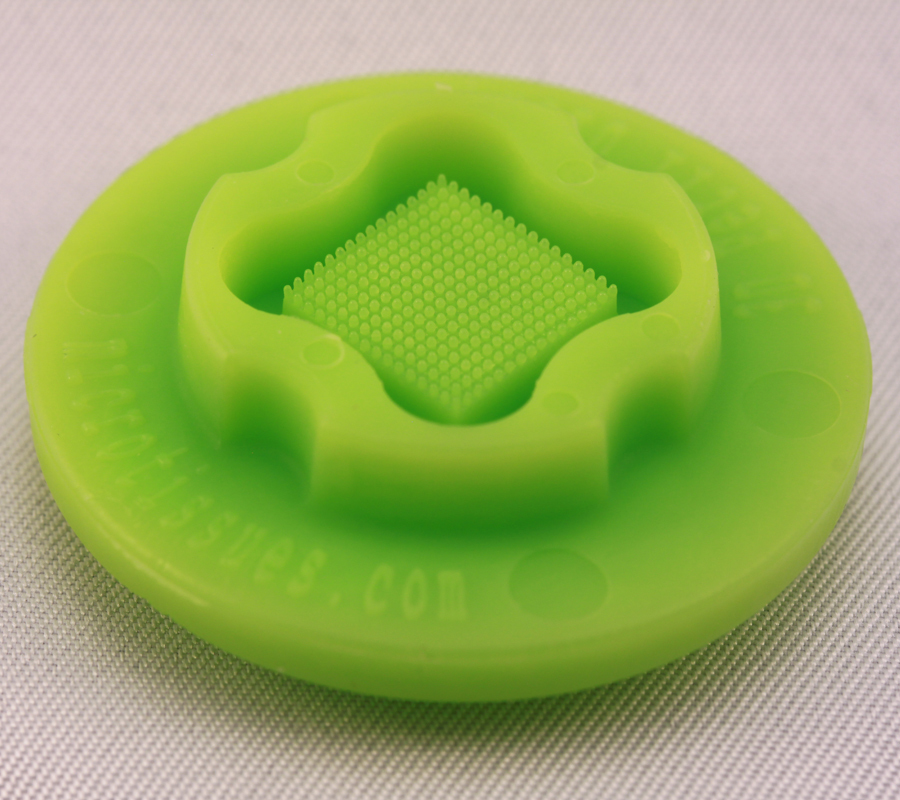
12-256 Small Spheroids
12-well plates · $575
View 12-256 →
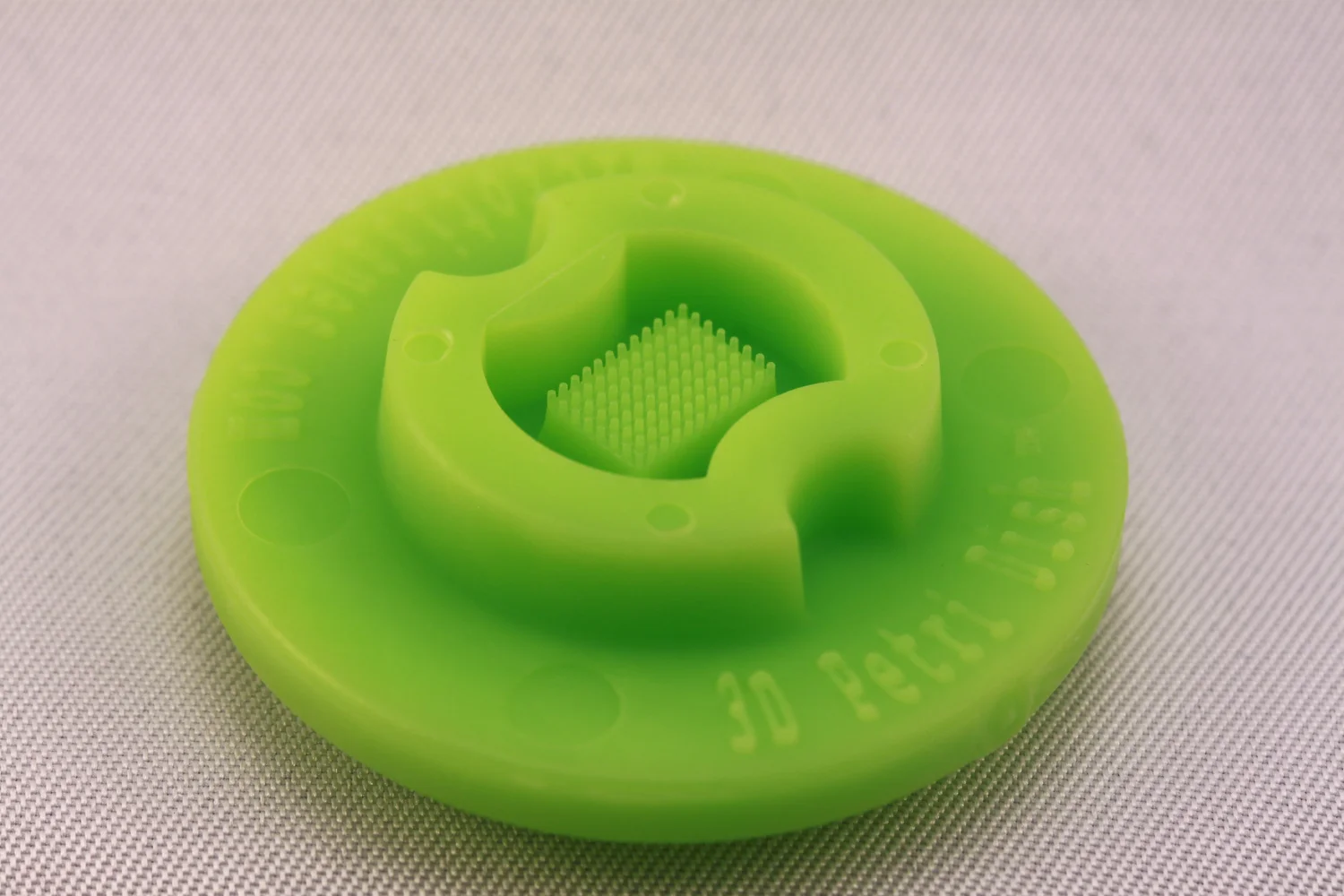
24-96 Small Spheroids
24-well plates · $575
View 24-96 →
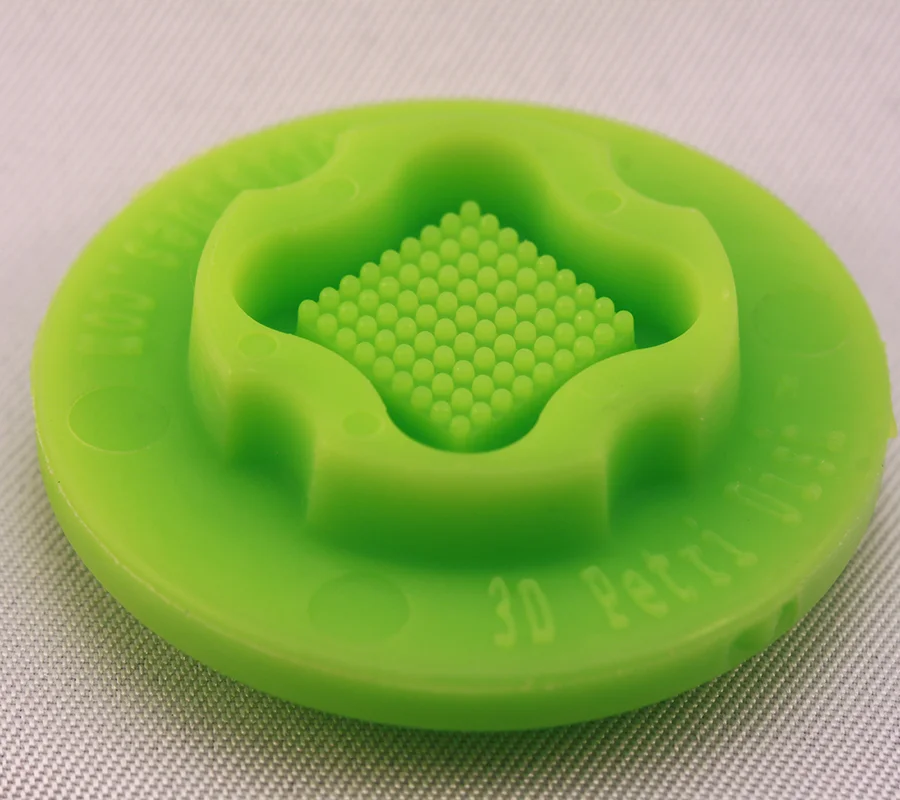
12-81 Large Spheroids
12-well plates · $575
View 12-81 →
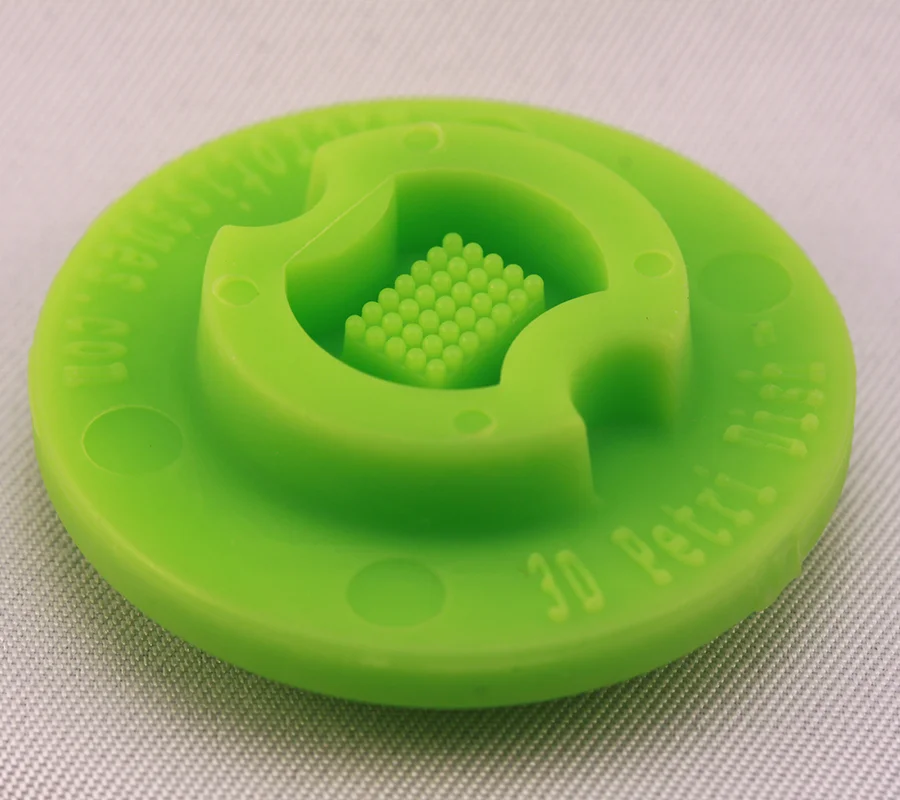
24-35 Large Spheroids
24-well plates · $575
View 24-35 →
Frequently Asked Questions
What research areas use 3D Petri Dish® micro-molds?How do 3D Petri Dish® micro-molds work?The micro-mold system uses non-adhesive agarose to create arrays of uniform recesses. When cells are seeded, they settle into these recesses and self-assemble into uniform 3D microtissues within 24 hours, without the need for specialized equipment or complex protocols.Why are 3D microtissues better than traditional 2D cell cultures?
3D microtissues formed using 3D Petri Dish® micro-molds better recapitulate the complex cell-cell interactions, extracellular matrix organization, and signaling gradients found in living tissues. This leads to more physiologically relevant results compared to growing cells on flat plastic surfaces, where cells often behave differently than they do in the body.