Summary
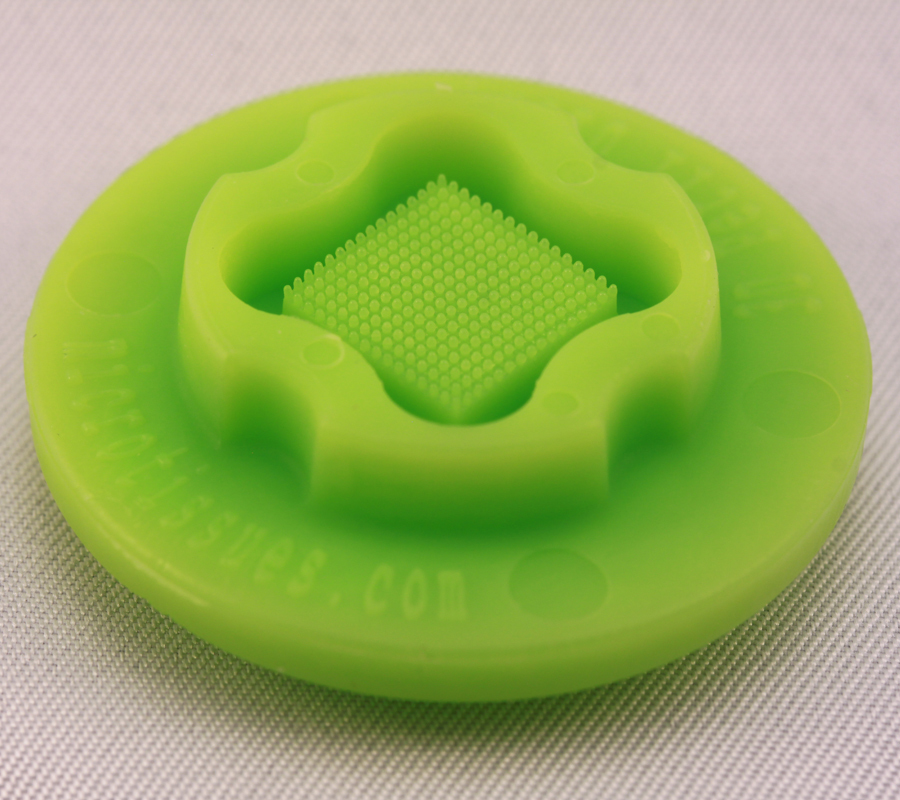
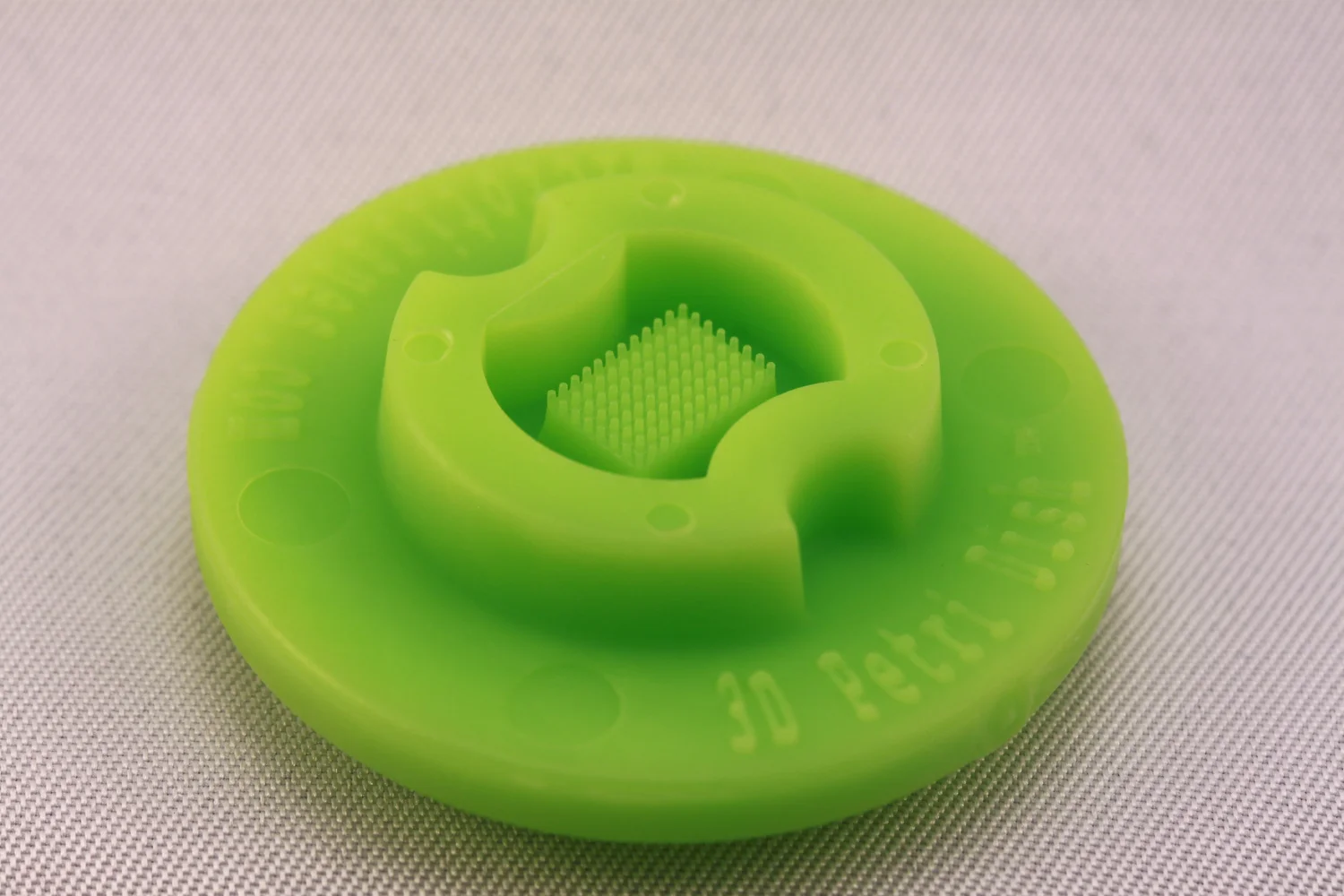
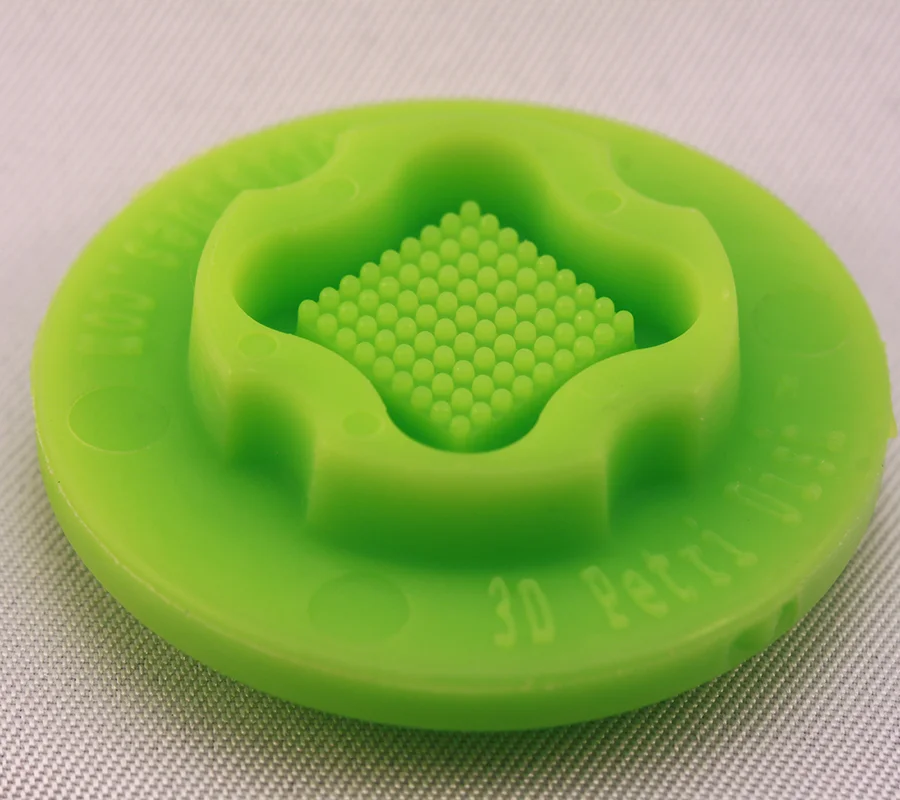
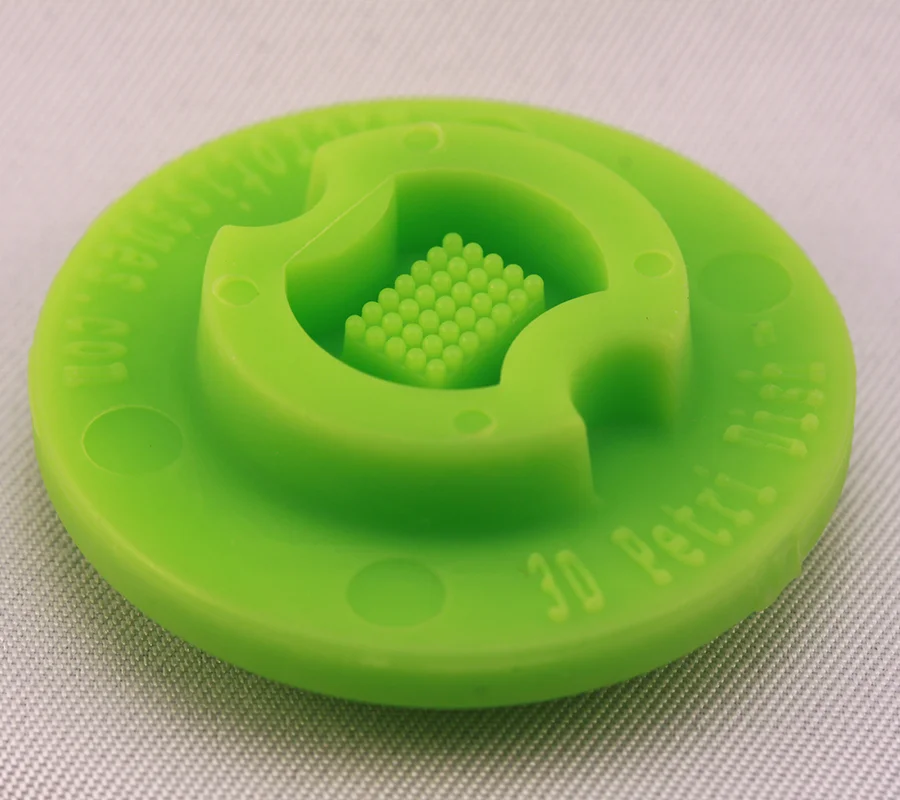
Published in Journal of Theoretical Biology (2018), this peer-reviewed study used 3D Petri Dish® micro-molds to form scaffold-free 3D microtissues. Full citation: Lakatos, Dóra, et al. Soluble VEGFR1 signaling guides vascular patterns into dense branching morphologies
Soluble VEGFR1 signaling guides vascular patterns into dense branching morphologies
Research Overview
Vascular patterning is central to development and disease. The diffusible decoy receptor sVEGFR1 (sFlt1) is a known regulator of endothelial behavior, but how it controls vascular structure was little understood. This study proposes computational models of how self-organized gradients of VEGF and sVEGFR1 guide vascular patterning.
The models show that a diffusive inhibitor can generate densely branching structures when the activator drives directed growth: too little inhibitor yields compact growth, while excess inhibitor blocks expansion and stabilizes existing structures. Predictions were compared with time-resolved measurements of endothelial sprout kinetics in fibrin gels, including experiments with inhibitory antibodies against VEGFR1.
Key Discoveries
- Computational model of vascular patterning by self-organized VEGF/sVEGFR1 gradients
- A diffusive inhibitor produces dense branching; too little gives compact growth, too much halts expansion
- Model predictions tested against endothelial sprout kinetics in fibrin gels with anti-VEGFR1 antibodies