Summary
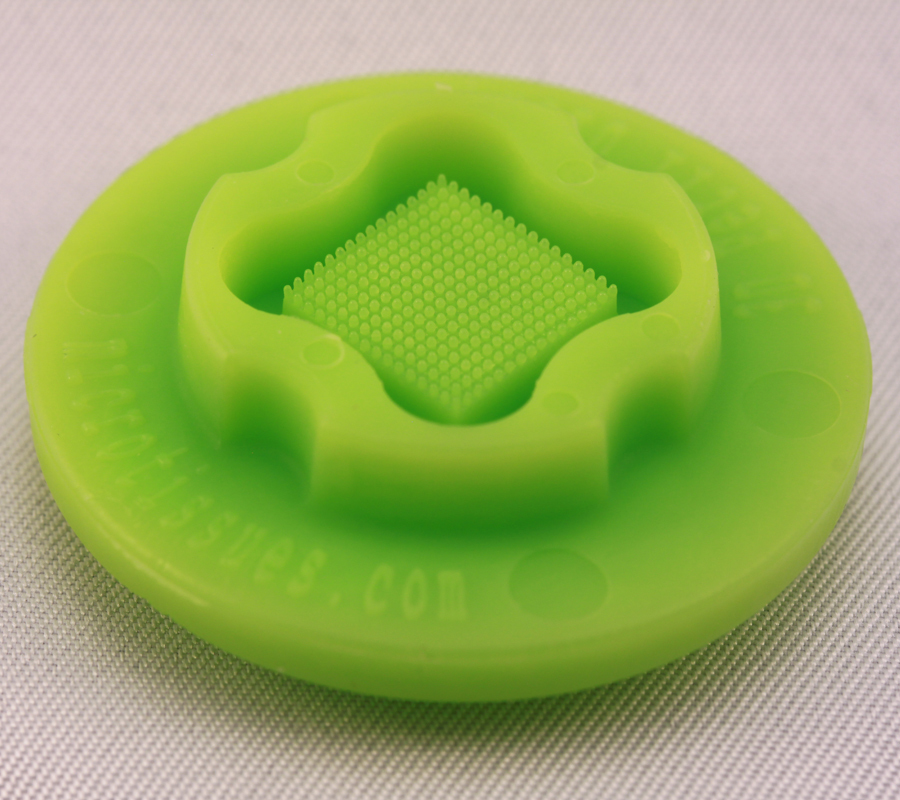
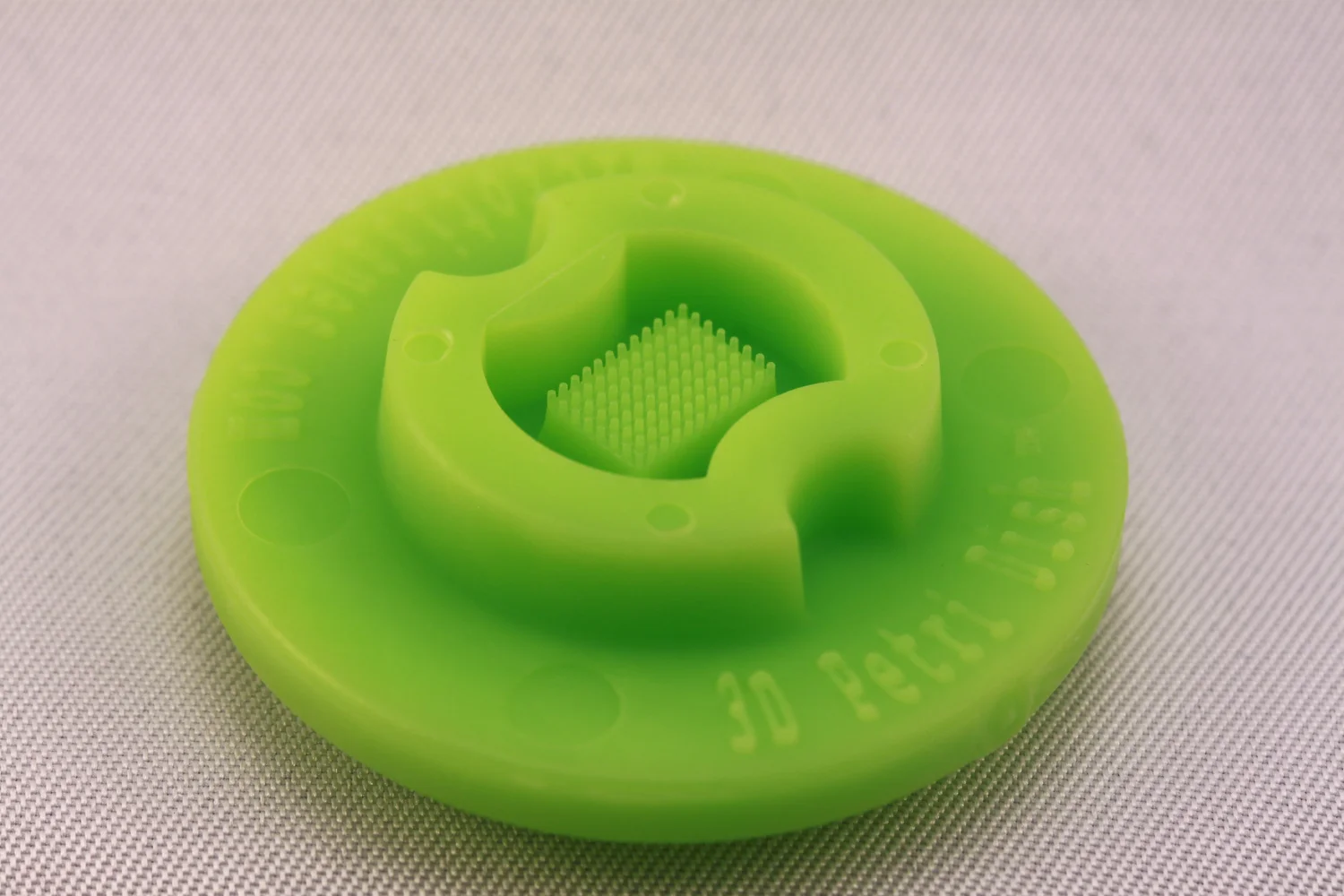
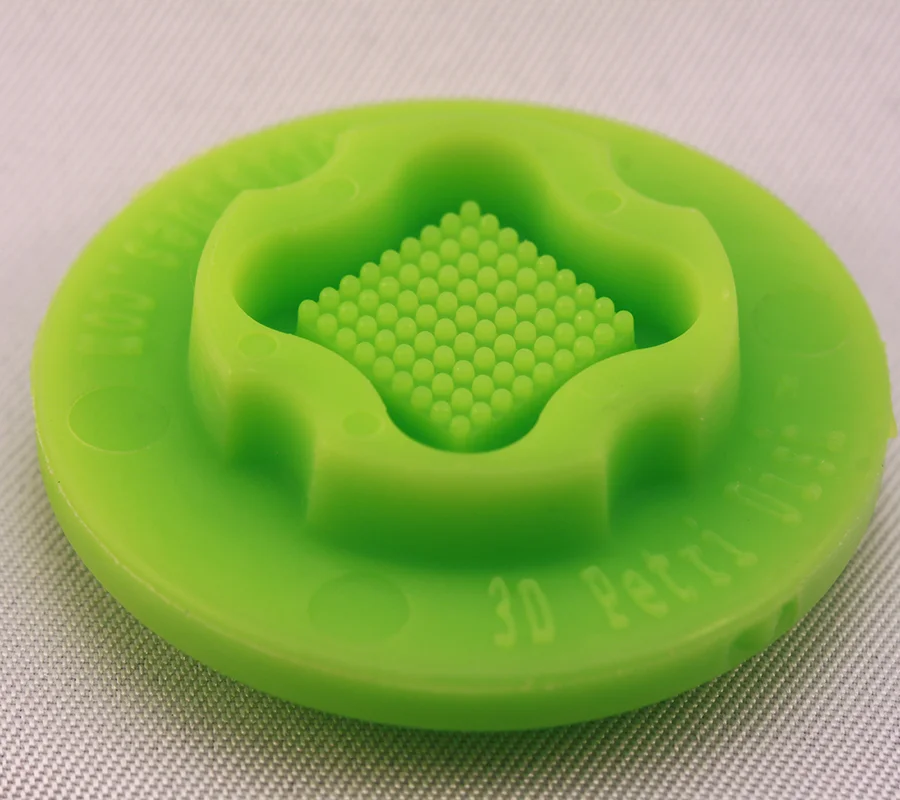
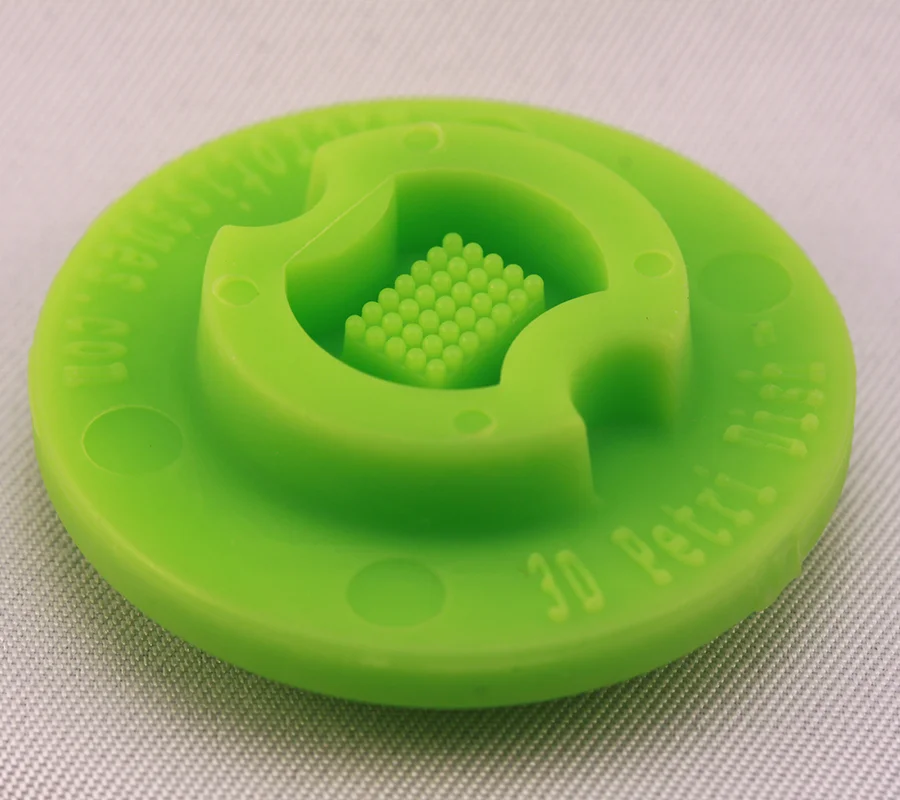
Published in Transplantation (2018), this peer-reviewed study used 3D Petri Dish® micro-molds to form scaffold-free 3D microtissues. Full citation: Lebreton, Fanny, et al. Shielding Human Islets with Human Amniotic Epithelial Cells Enhances Islet Engraftment and Revascularization
Shielding Human Islets with Human Amniotic Epithelial Cells Enhances Islet Engraftment and Revascularization
Research Overview
Hypoxia causes considerable islet loss in the first days after intraportal transplantation. This study asked whether shielding human islets with human amniotic epithelial cells — which have immunomodulatory, anti-inflammatory, and regenerative properties — improves engraftment and survival.
Shielded islets were generated on microwells by mixing islets with amniotic epithelial cells at a ratio of 800 cells per islet, and 1,200 shielded or unshielded islets were transplanted under the kidney capsule of diabetic SCID mice. Confocal microscopy confirmed the amniotic cells adhered to the islets, and islet function was assessed against the unshielded controls.
Key Discoveries
- Islets shielded with human amniotic epithelial cells at an 800:1 ratio, formed on microwells
- 1,200 shielded versus neat islets transplanted under the kidney capsule of diabetic mice
- Confocal microscopy confirmed amniotic epithelial cells adhered to the islet surface