Summary
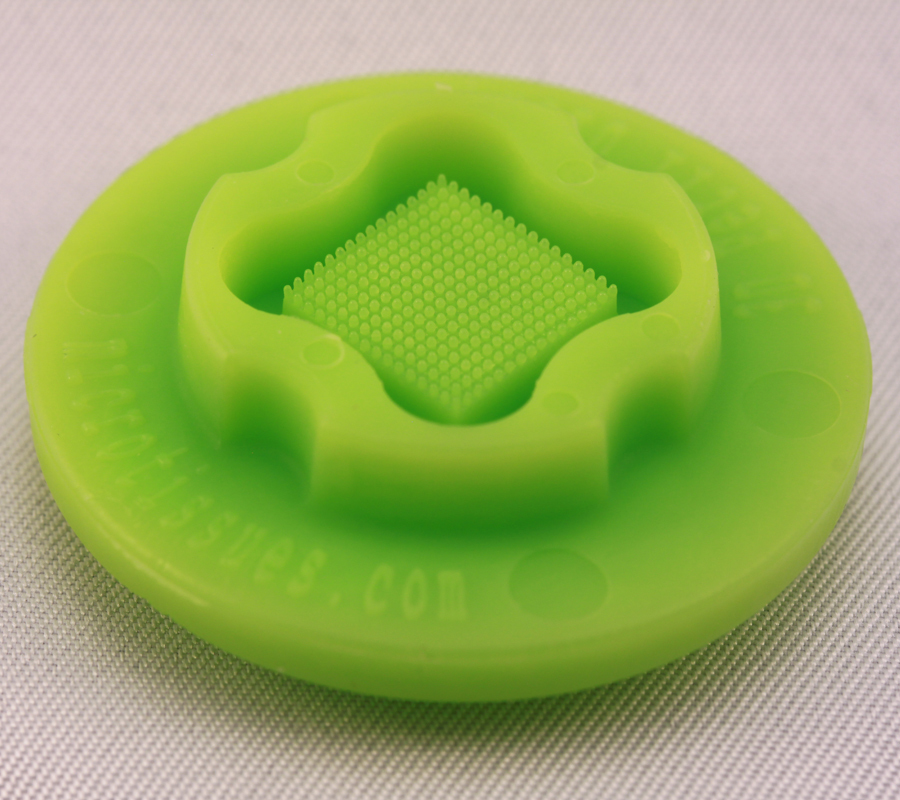
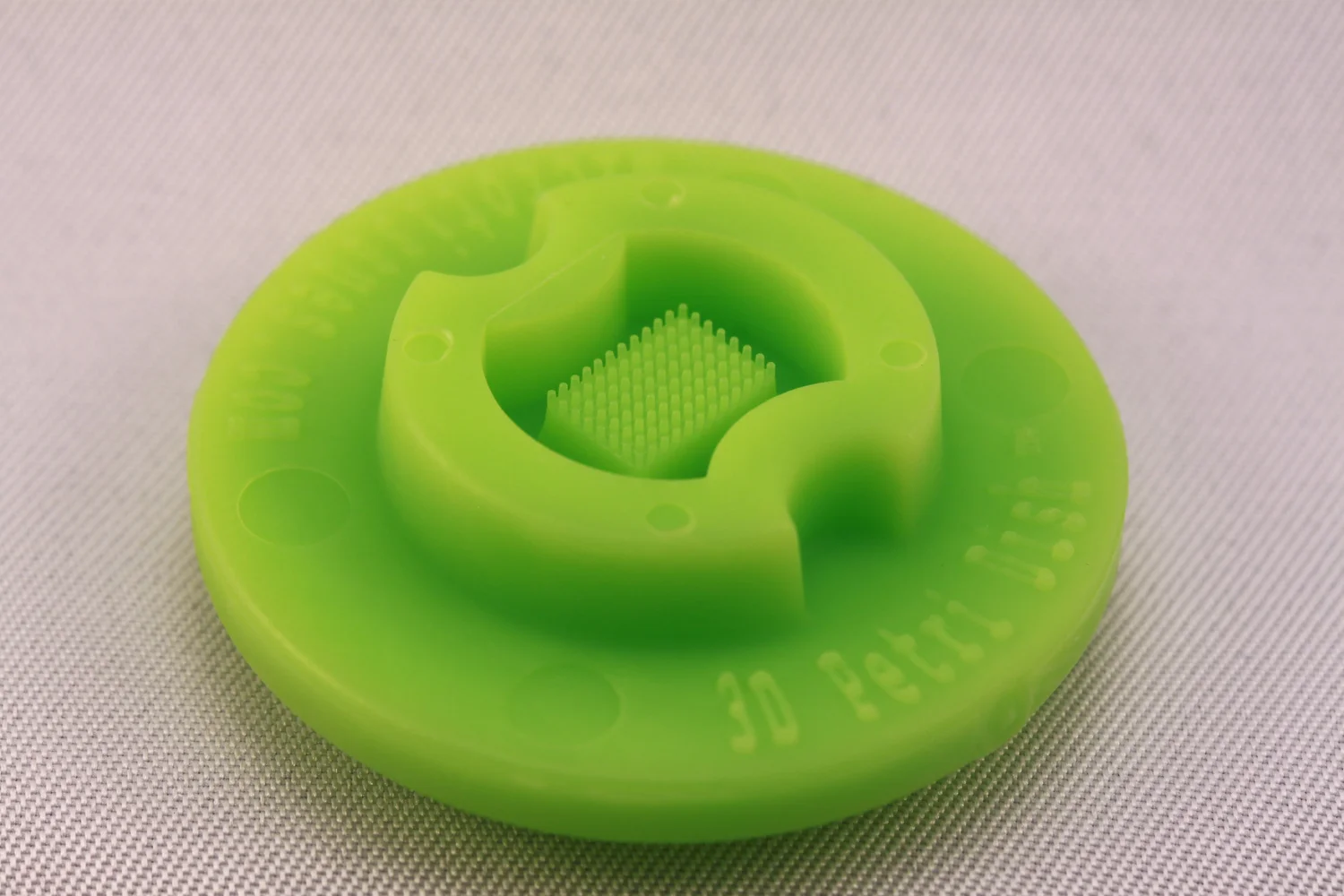
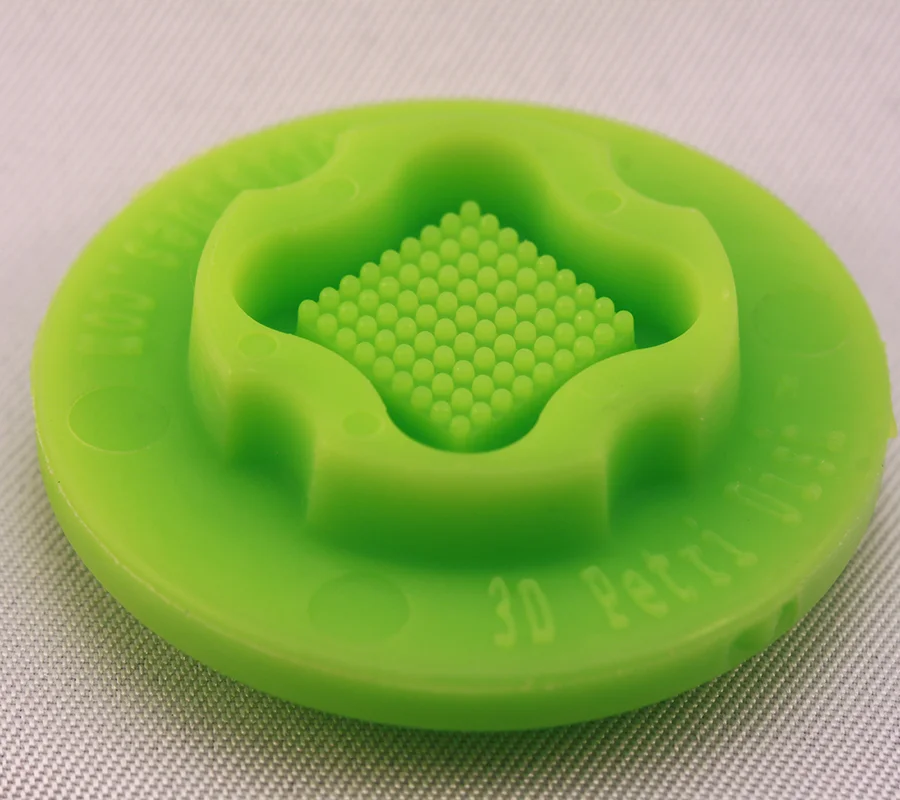
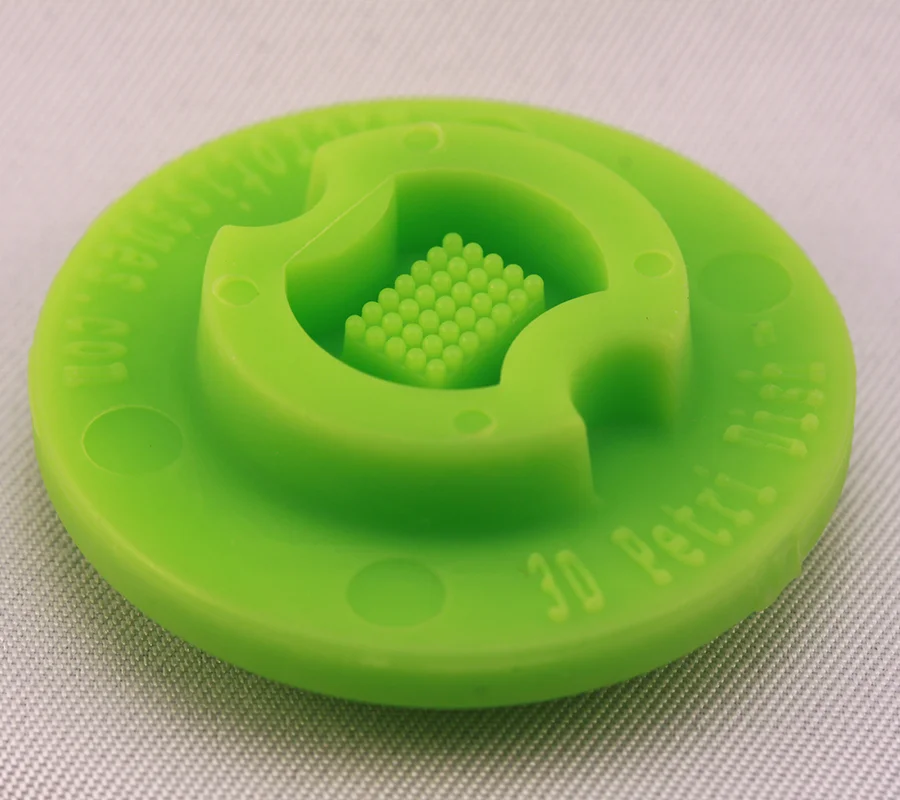
Published in Journal of Diabetes Research (2023), this peer-reviewed study used 3D Petri Dish® micro-molds to form scaffold-free 3D microtissues. Full citation: Porter, James M., et al. Renewable Human Cell Model for Type 1 Diabetes Research: EndoC-βH5/HUVEC Coculture Spheroids
Renewable Human Cell Model for Type 1 Diabetes Research: EndoC-βH5/HUVEC Coculture Spheroids
Research Overview
Drug screening for type 1 diabetes has relied on human donor islets, but donor-to-donor heterogeneity and scarcity make efficacy hard to establish. This study presents a renewable alternative: 3D spheroid co-cultures of immortalized insulin-producing beta cells with human endothelial cells, designed to recapitulate islet morphology as a standardized model.
Human EndoC-βH5 beta cells were co-cultured with endothelial cells at varying ratios, and the resulting spheroids were evaluated for insulin secretion, metabolic activity, and viability to identify the configuration that best reproduces islet function for in vitro diabetes research.
Key Discoveries
- Immortalized EndoC-βH5 beta cells co-cultured with human endothelial cells as 3D pseudo-islets
- Cell ratios varied to optimize islet-like morphology
- Insulin secretion, metabolic activity, and viability used to benchmark the renewable model against donor islets