Summary
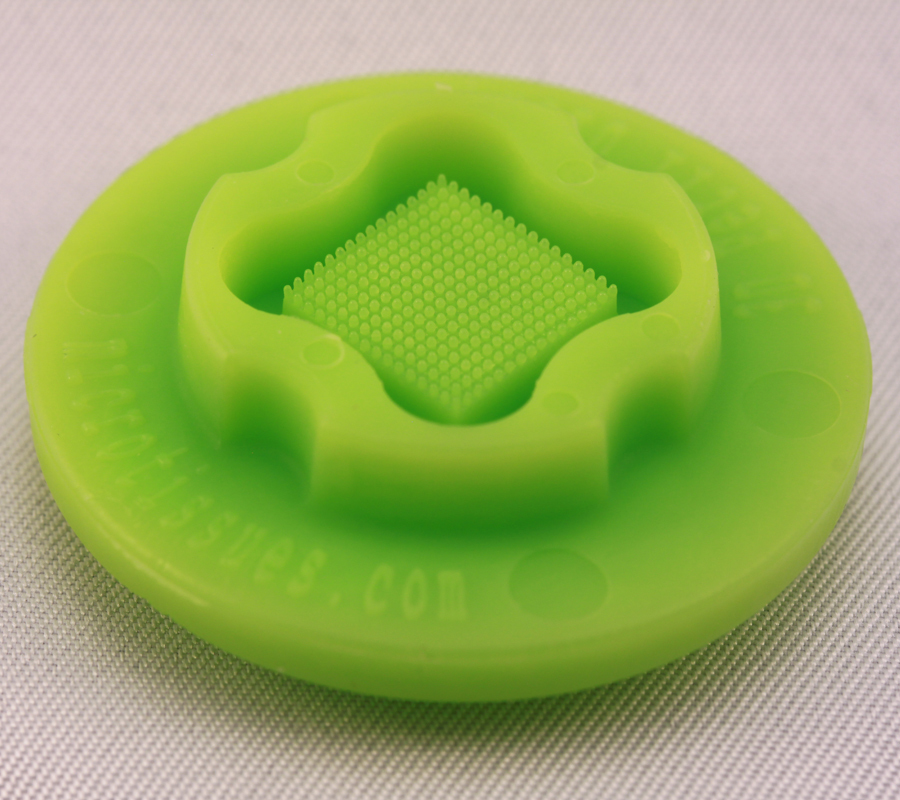
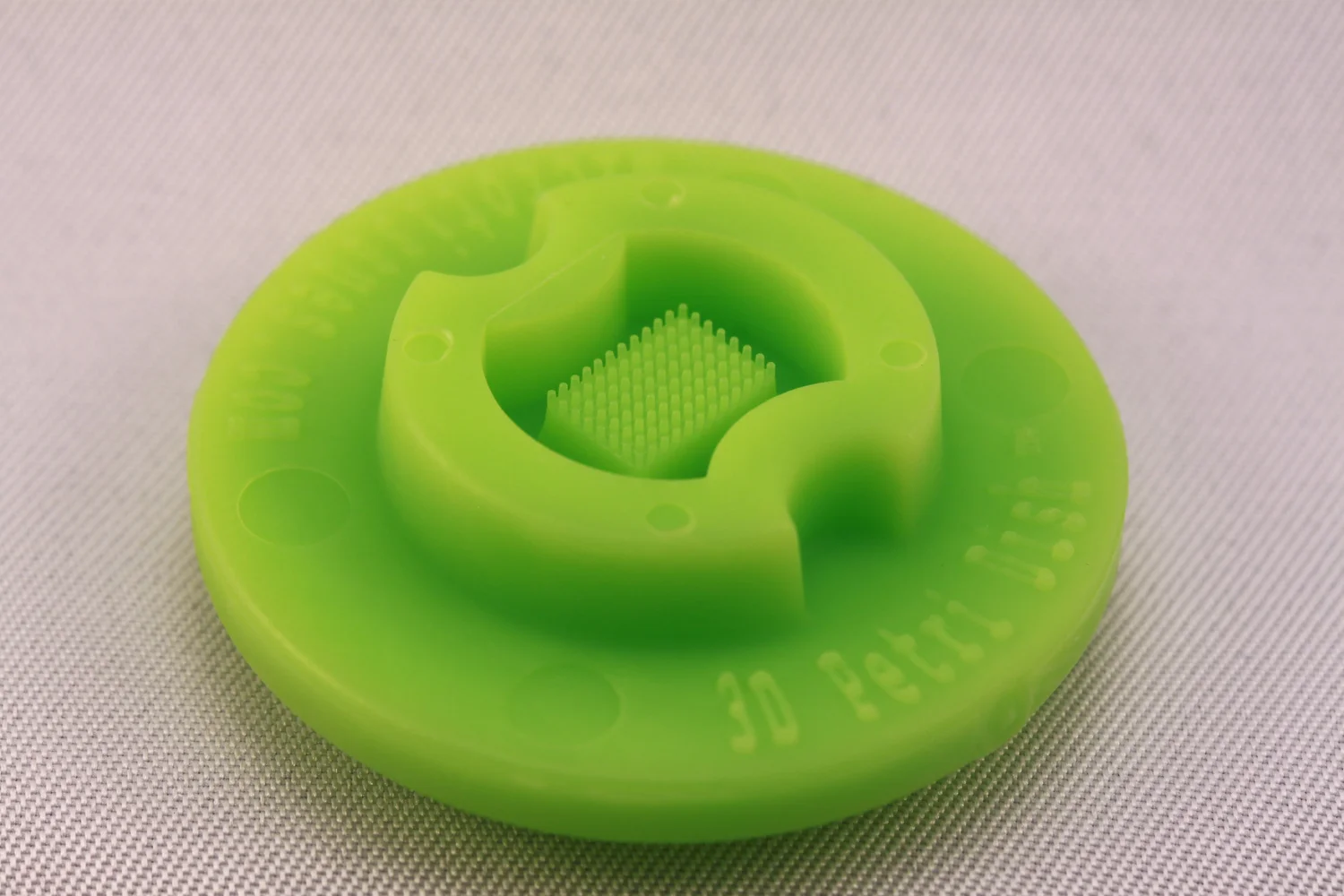
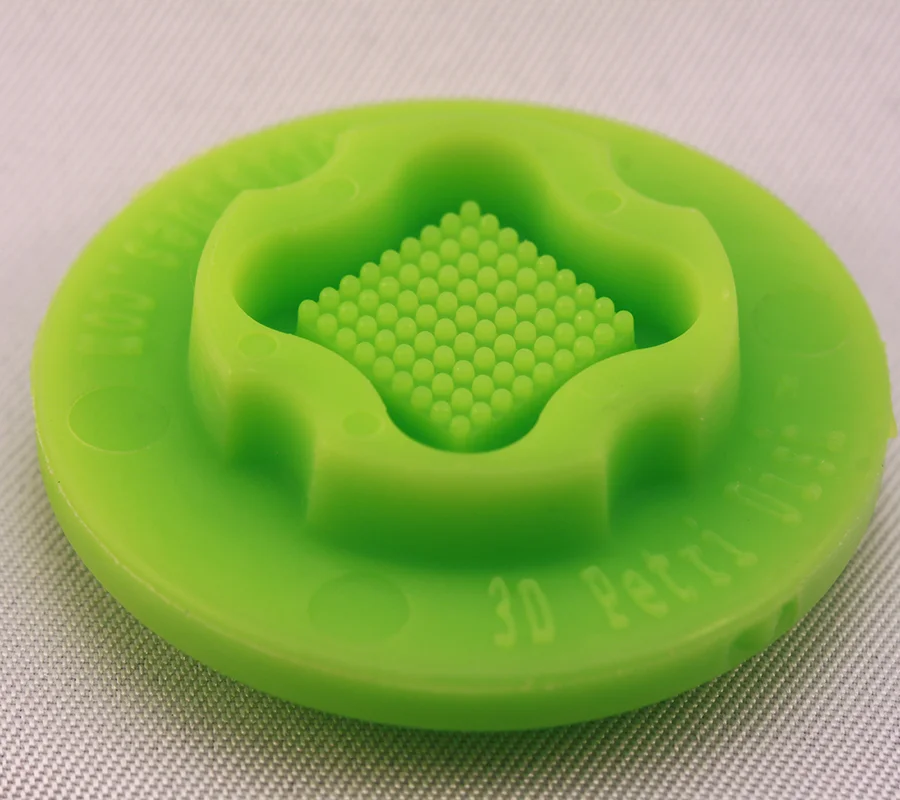
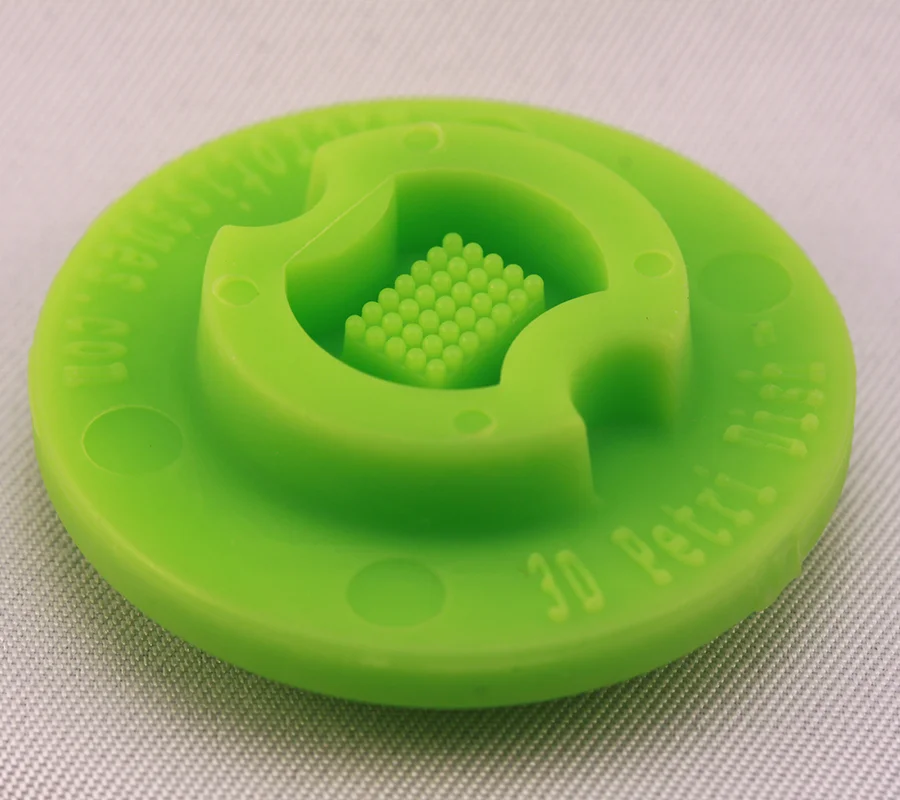
Published in Nature Metabolism (2024), this peer-reviewed study used 3D Petri Dish® micro-molds to form scaffold-free 3D microtissues. Full citation: Perez-Frances, Marta, et al. Regulated and adaptive in vivo insulin secretion from islets only containing β-cells
Regulated and adaptive in vivo insulin secretion from islets only containing β-cells
Research Overview
β-cells are regulated systemically and locally by neighboring α-, δ-, and γ-cells — but whether those non-β-cells are actually required for accurate insulin secretion was unknown. This study examined mice whose adult islets contained only β-cells, alongside human pseudoislets built solely from primary β-cells.
Mice lacking non-β-cells regulated blood glucose optimally, with enhanced glucose tolerance, insulin sensitivity, and restricted weight gain on a high-fat diet; their β-cell-only islets secreted insulin with dynamics comparable to intact islets. Human β-cell pseudoislets likewise retained glucose-regulated mitochondrial respiration, insulin secretion, and exendin-4 responses — indicating non-β-cells are dispensable for regulated insulin secretion.
Key Discoveries
- Mice with β-cell-only islets showed optimal glucose control and enhanced tolerance and insulin sensitivity
- Insulin secretion dynamics of β-cell-only islets matched intact islets
- Human β-cell pseudoislets retained glucose-regulated respiration, secretion, and exendin-4 responses