Summary
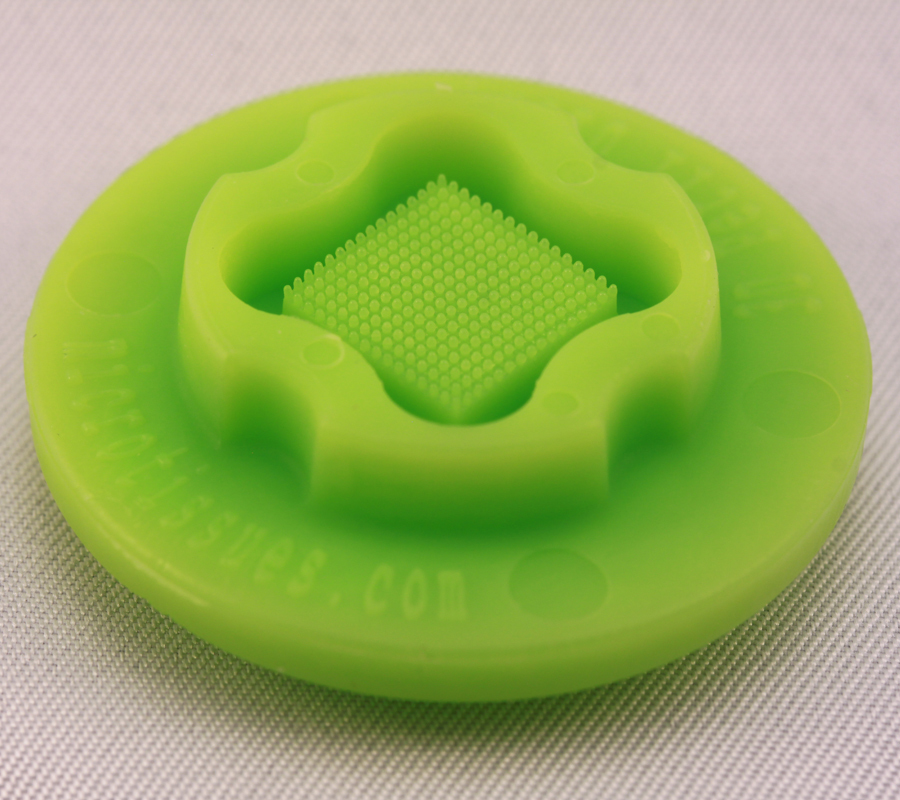
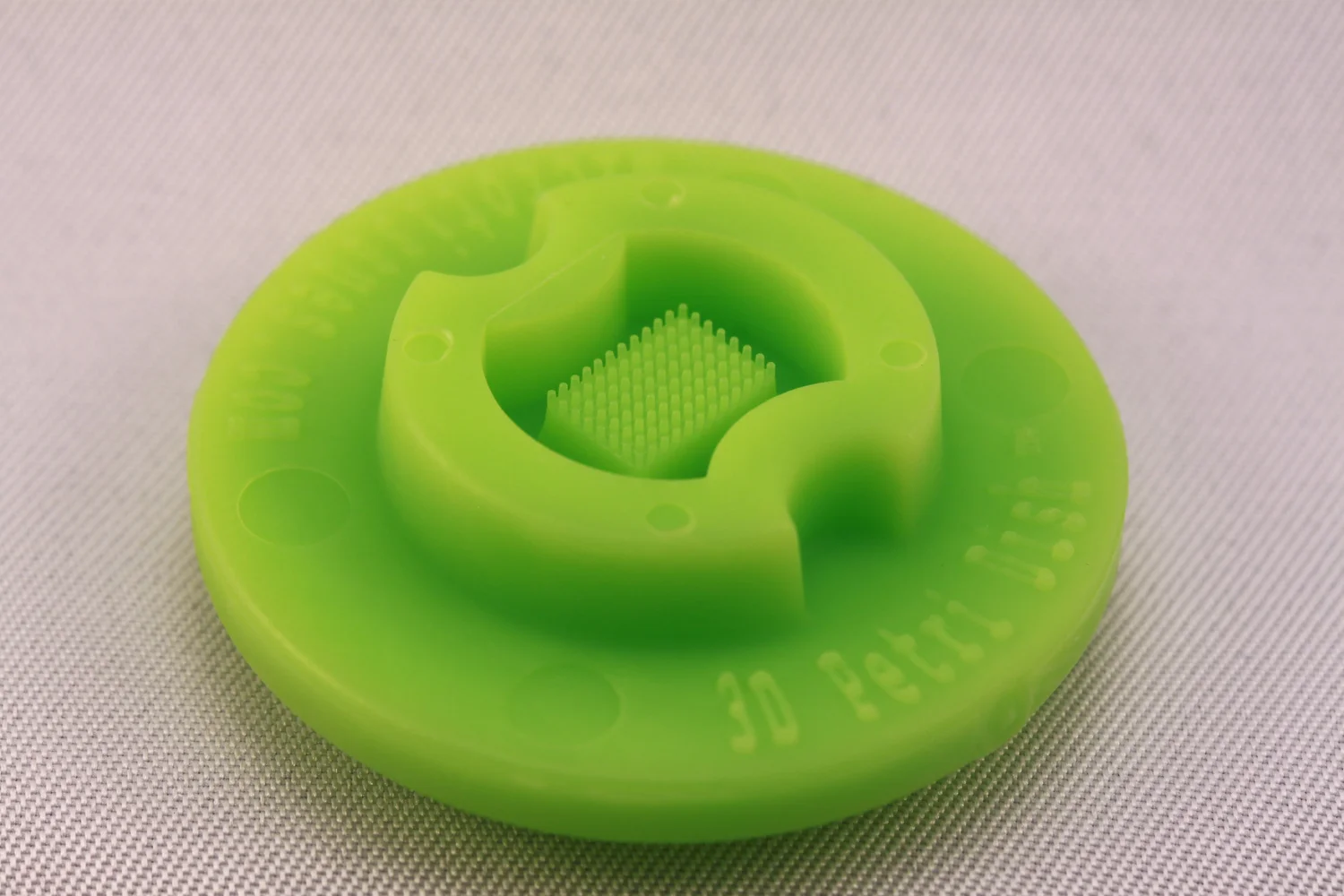
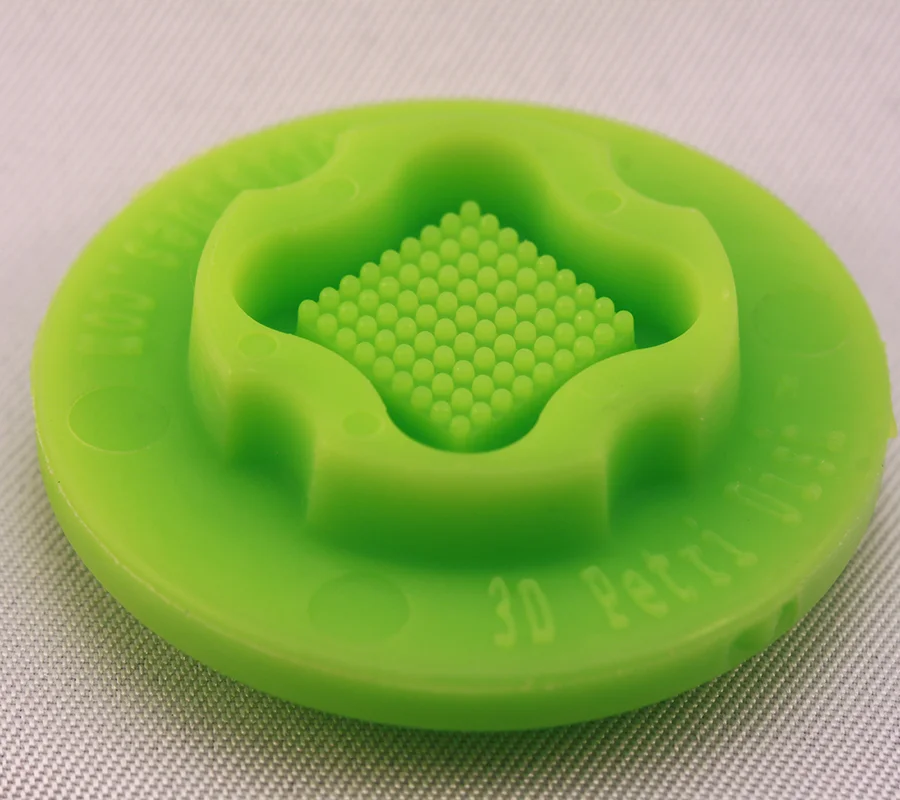
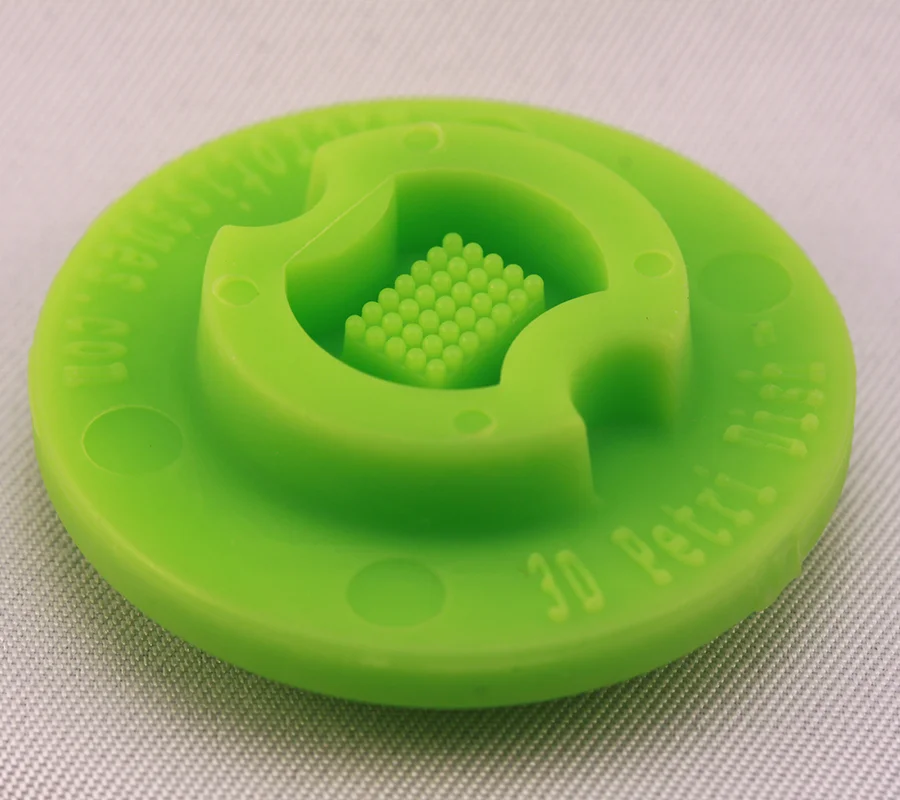
Published in Stem Cell Research & Therapy (2020), this peer-reviewed study used 3D Petri Dish® micro-molds to form scaffold-free 3D microtissues. Full citation: Zhu, Deliang, et al. Protective effects of human iPS-derived retinal pigmented epithelial cells on retinal degenerative disease
Protective effects of human iPS-derived retinal pigmented epithelial cells on retinal degenerative disease
Research Overview
Retinitis pigmentosa is an inherited retinal disease marked by progressive photoreceptor loss. This study tested whether retinal pigment epithelium derived from human induced pluripotent stem cells (hiPSC-RPE) protects the retina of rd10 mice, a model of progressive photoreceptor death.
RPE was generated from hiPSCs by sequential supplementation with retinal-inducing and RPE-specification factors, and a 3D spheroid culture method was used to obtain optimal injectable hiPSC-RPE cells. The cells were transplanted into the subretinal space of rd10 mice, neurotrophic factor secretion from the transplanted cells was measured by ELISA, and retinal outcomes were assessed by immunostaining, Western blotting, and electroretinography.
Key Discoveries
- hiPSC-derived RPE prepared as 3D spheroids to yield optimal injectable cells
- Subretinal transplantation into rd10 retinitis pigmentosa model mice
- Neurotrophic factor secretion from grafts measured by ELISA alongside ERG and histology