Summary
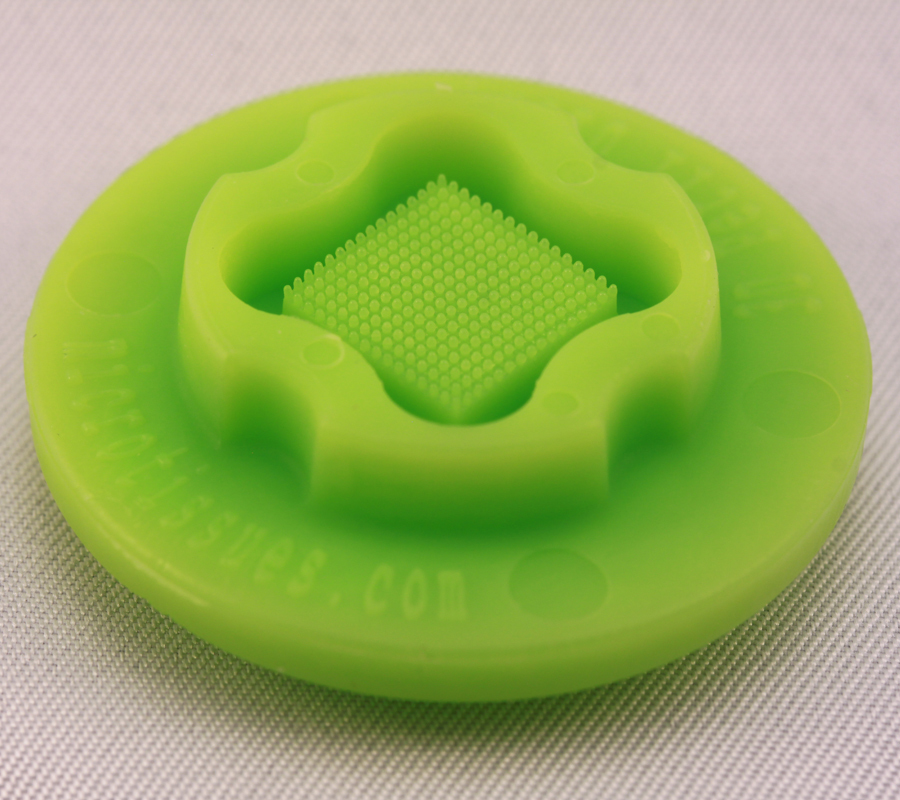
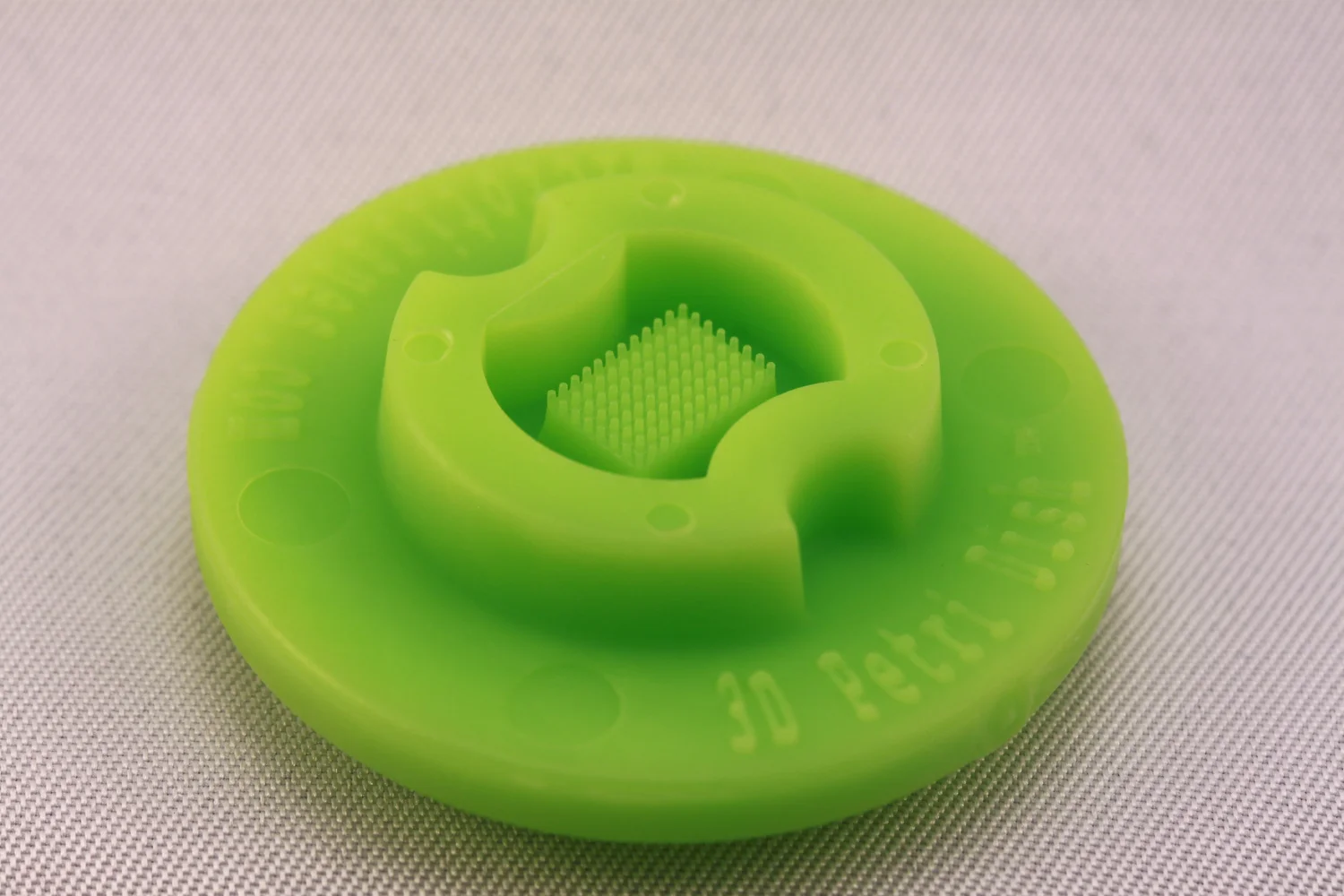
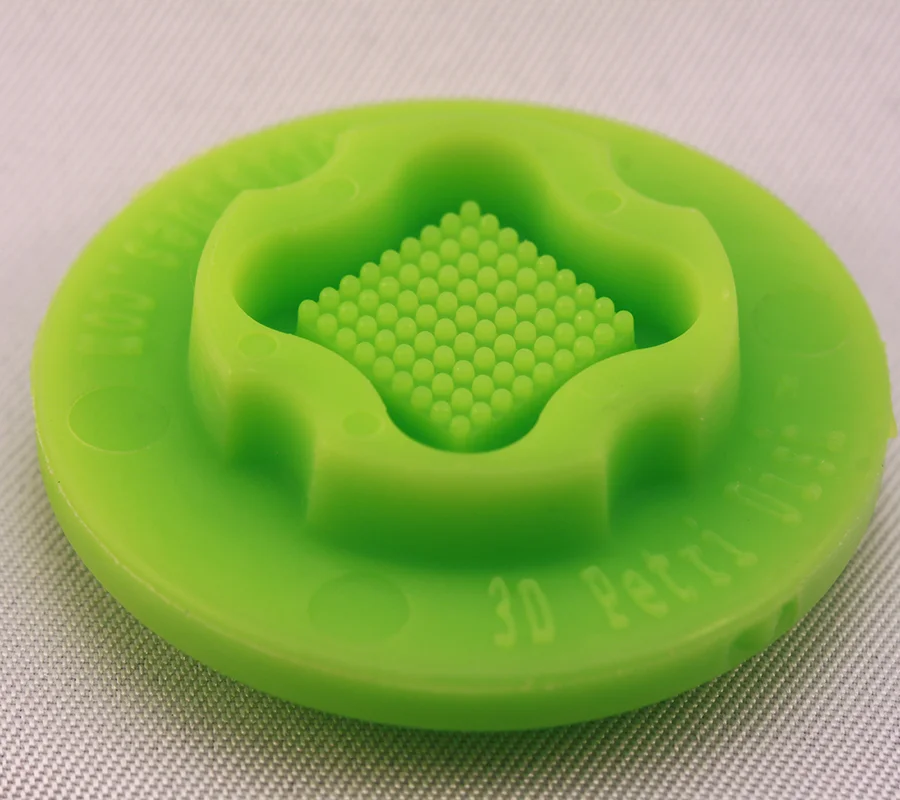
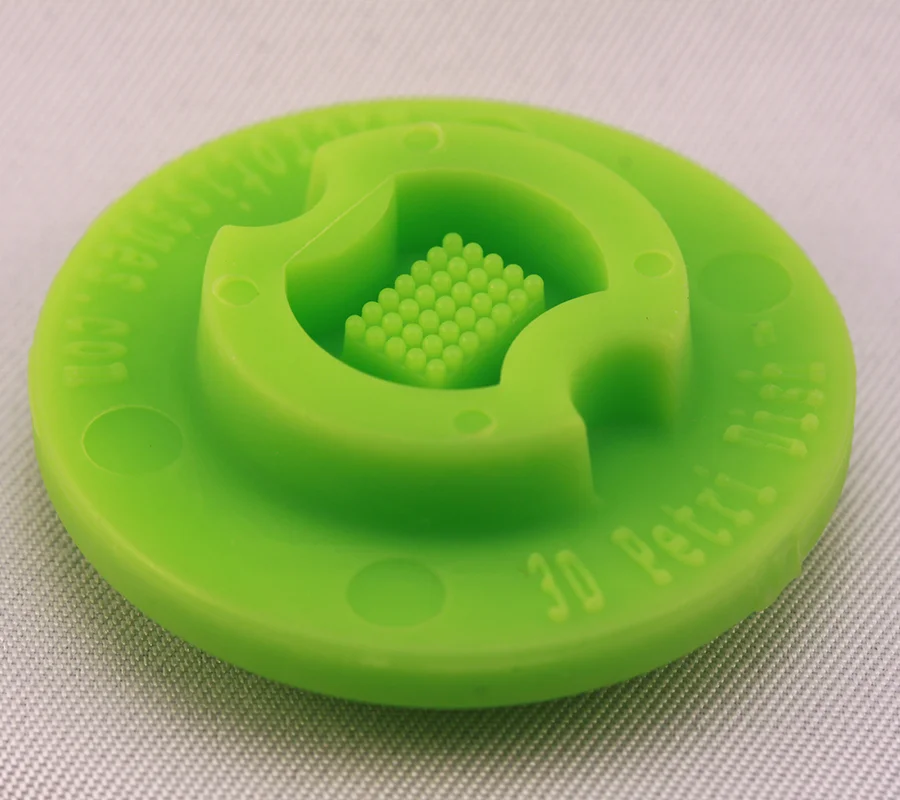
Published in Biomechanics and Modeling in Mechanobiology (2024), this peer-reviewed study used 3D Petri Dish® micro-molds to form scaffold-free 3D microtissues. Full citation: Wan, Yang, et al. A mechanics theory for the exploration of a high-throughput, sterile 3D in vitro traumatic brain injury model
A mechanics theory for the exploration of a high-throughput, sterile 3D in vitro traumatic brain injury model
Research Overview
Traumatic brain injury remains a global public health problem, and in vitro models based on cortical spheroids are attractive because they replicate key aspects of brain tissue — electrophysiology, physicochemical microenvironment, and extracellular matrix composition.
Any effective in vitro traumatic brain injury model must be able to mechanically deform the spheroids in a controlled way. This study develops the mechanics theory for doing so, relating spheroid shape and material behavior to the deformation applied — turning qualitative injury models into quantitatively defined mechanical insults.
Key Discoveries
- Mechanics theory developed for controlled deformation of cortical spheroids
- Enables quantitatively defined mechanical insults in traumatic brain injury models
- Builds on spheroids' ability to replicate brain electrophysiology and matrix composition