Summary
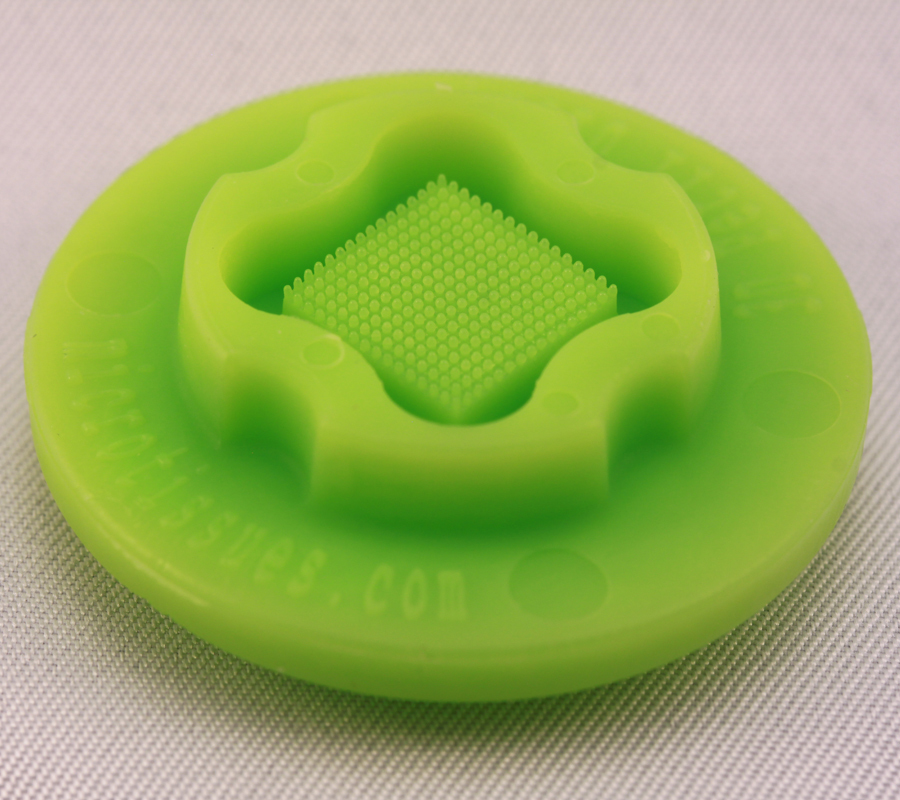
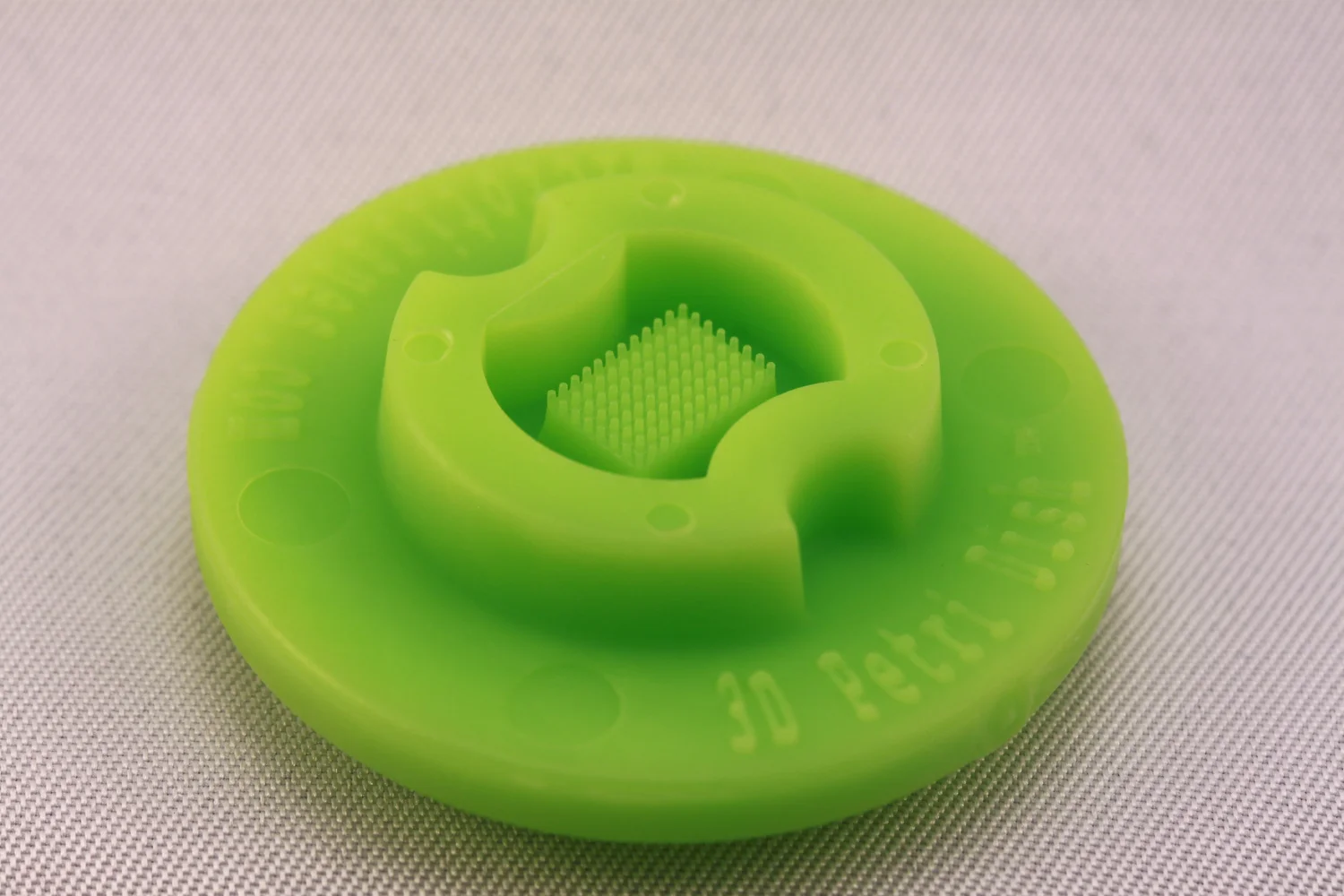
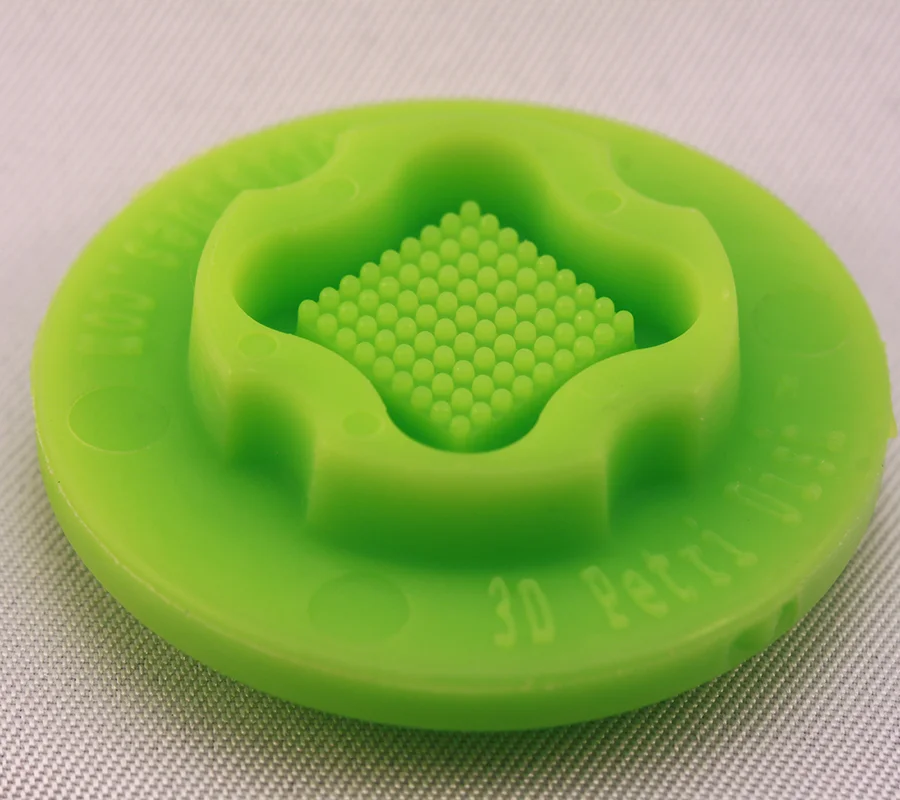
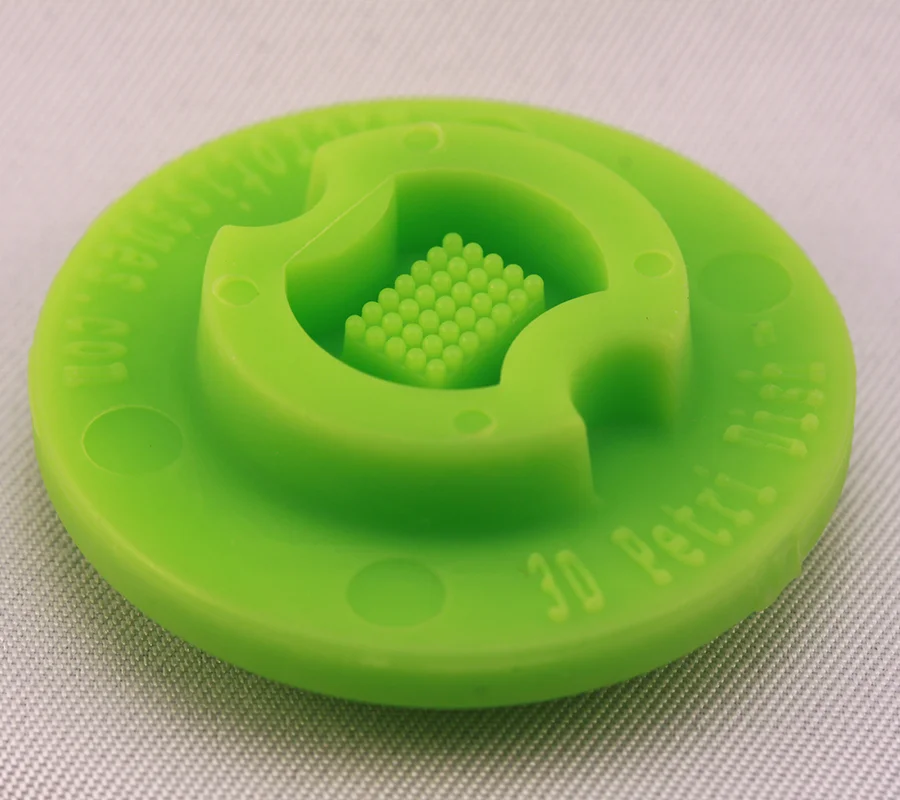
Published in eLife (2023), this peer-reviewed study used 3D Petri Dish® micro-molds to form scaffold-free 3D microtissues. Full citation: Koudelková, Lenka, et al. Phosphorylation of tyrosine 90 in SH3 domain is a new regulatory switch controlling Src kinase
Phosphorylation of tyrosine 90 in SH3 domain is a new regulatory switch controlling Src kinase
Research Overview
Src kinase is held inactive by intramolecular interactions of its SH3 and SH2 domains, which constrain the kinase domain in a non-permissive state; the switch to activity is classically governed by phosphorylation of tyrosines 416 and 527. This study identified a third control point: phosphorylation of tyrosine 90 in the SH3 domain.
Tyrosine 90 phosphorylation reduced SH3’s binding affinity for its partners, opened the Src structure, and rendered the kinase catalytically active, while increasing affinity for the plasma membrane, decreasing membrane motility, and slowing diffusion from focal adhesions. It regulates the SH3-mediated inhibitory interaction just as tyrosine 527 regulates the SH2–C-terminus bond.
Key Discoveries
- Tyrosine 90 phosphorylation weakens SH3 domain binding and opens Src into an active conformation
- Active Src showed higher membrane affinity, lower motility, and slower exit from focal adhesions
- Establishes Y90 as the SH3-side counterpart to Y527's control of the SH2 inhibitory interaction