Summary
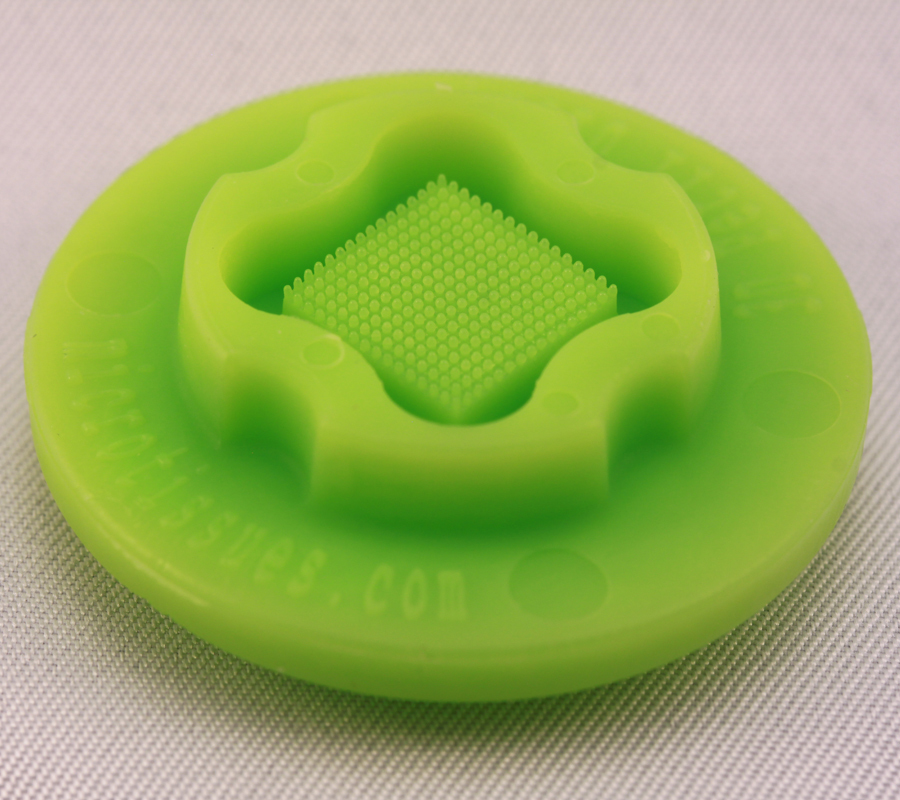
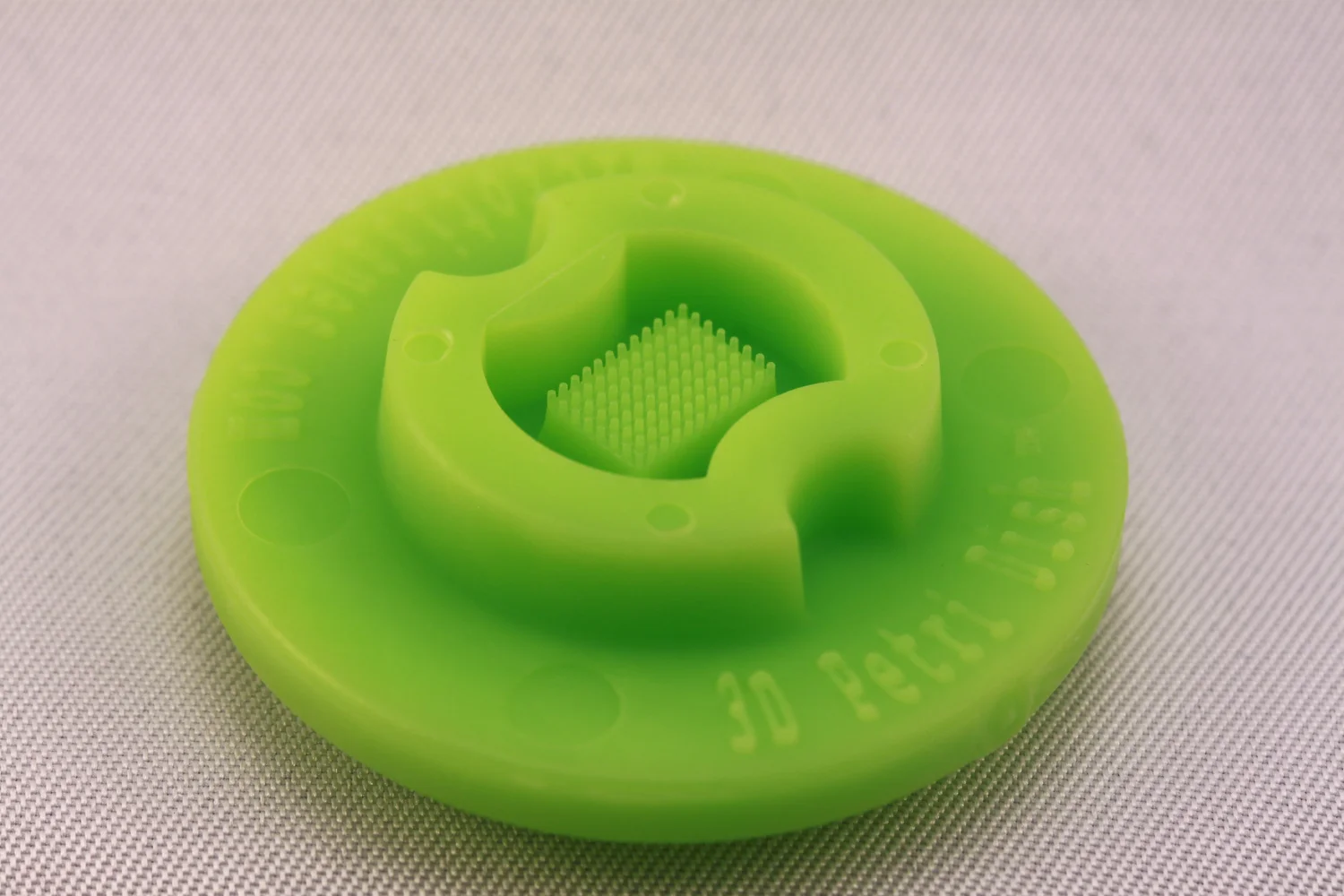
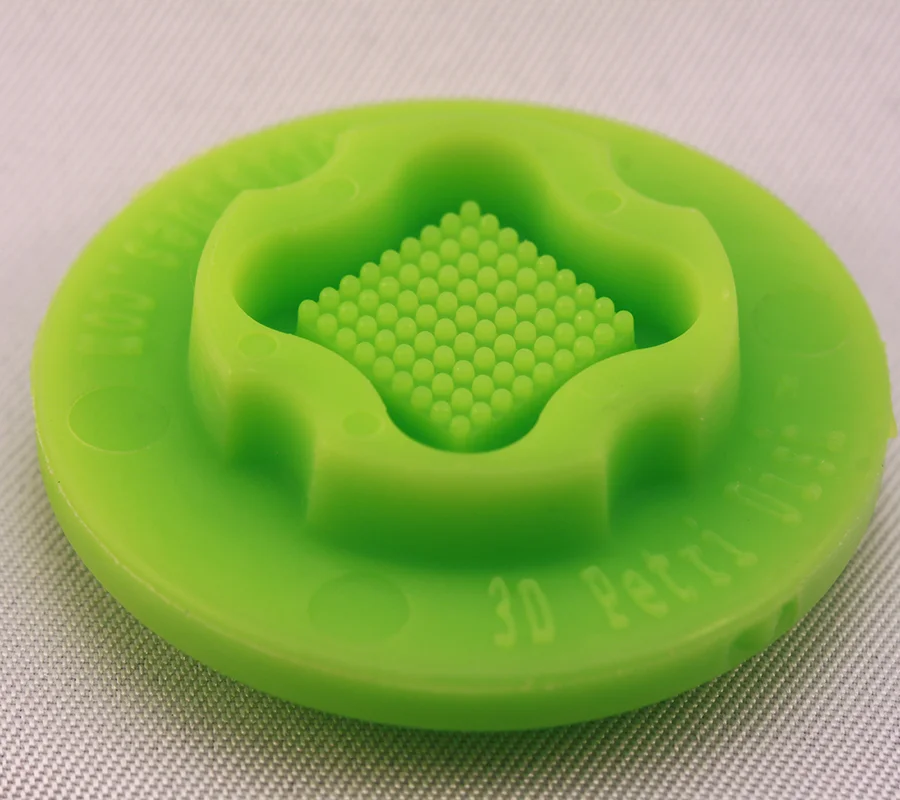
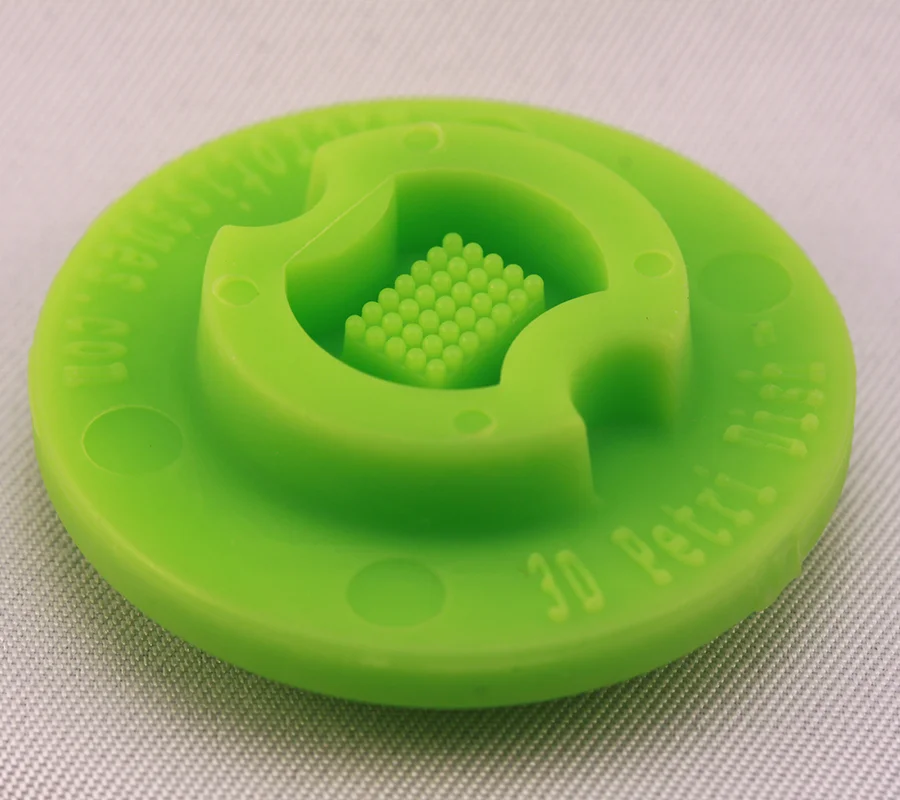
Published in Cell Stem Cell (2021), this peer-reviewed study used 3D Petri Dish® micro-molds to form scaffold-free 3D microtissues. Full citation: Shah, Parisha P., et al. Pathogenic LMNA variants disrupt cardiac lamina-chromatin interactions and de-repress alternative fate genes
Pathogenic LMNA variants disrupt cardiac lamina-chromatin interactions and de-repress alternative fate genes
Research Overview
Mutations in LAMIN A/C cause abnormal nuclear structure and laminopathies with tissue-specific phenotypes including dilated cardiomyopathy — but why a nuclear protein produces heart-restricted disease was unclear.
This study introduced LMNA mutations from patients with dilated cardiomyopathy into human iPSCs and found that the derived cardiomyocytes, unlike hepatocytes or adipocytes from the same lines, showed aberrant nuclear morphology and specific disruptions in peripheral chromatin. The disrupted regions were enriched for transcriptionally active genes and areas with lower LAMIN B1 contact frequency — a mechanism for the tissue specificity.
Key Discoveries
- Patient LMNA mutations disrupted nuclear morphology in cardiomyocytes but not hepatocytes or adipocytes
- Peripheral chromatin disruption concentrated in transcriptionally active regions
- Disrupted regions had lower LAMIN B1 contact frequency, explaining tissue-restricted disease