Summary
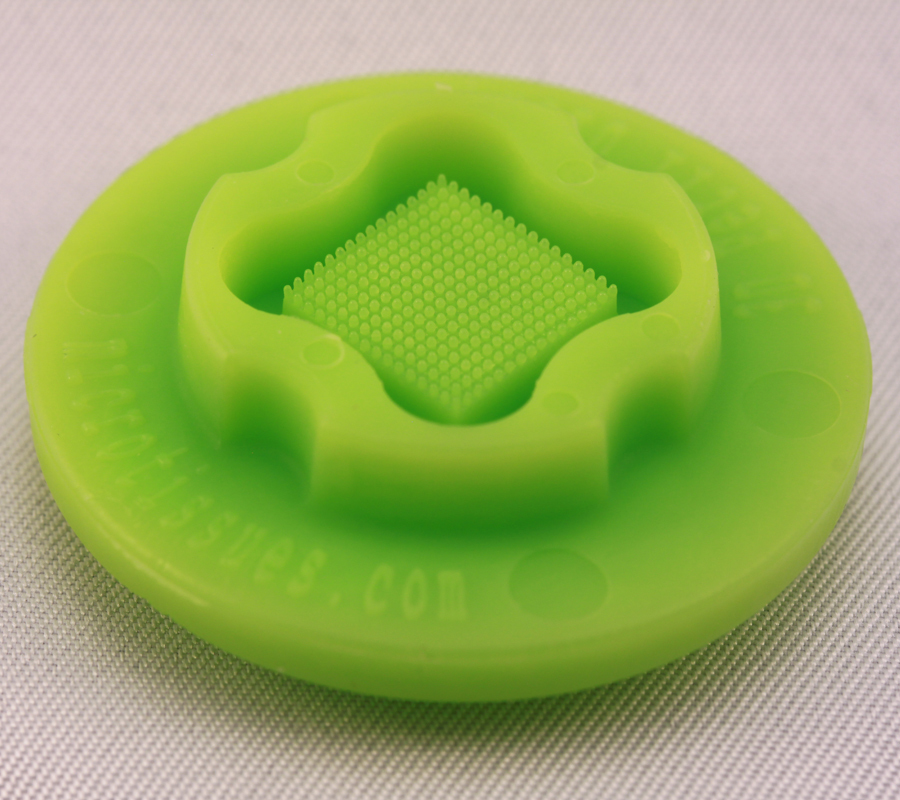
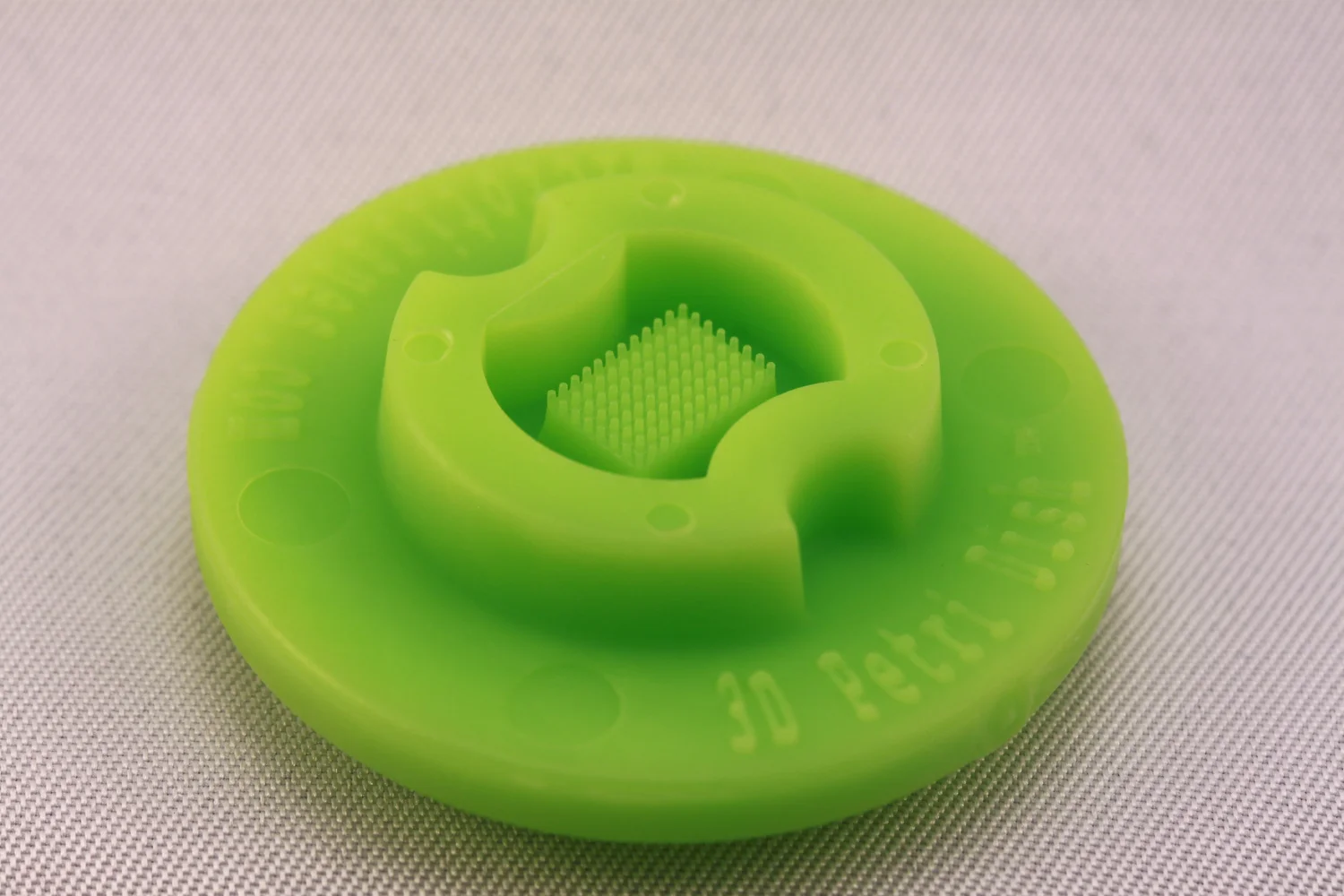
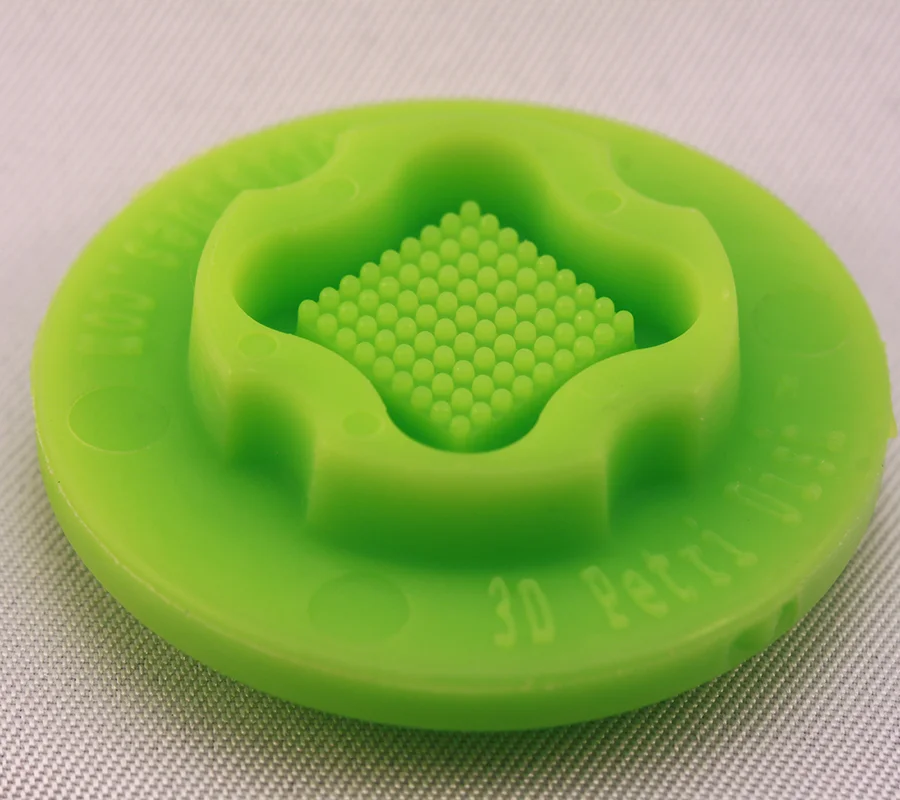
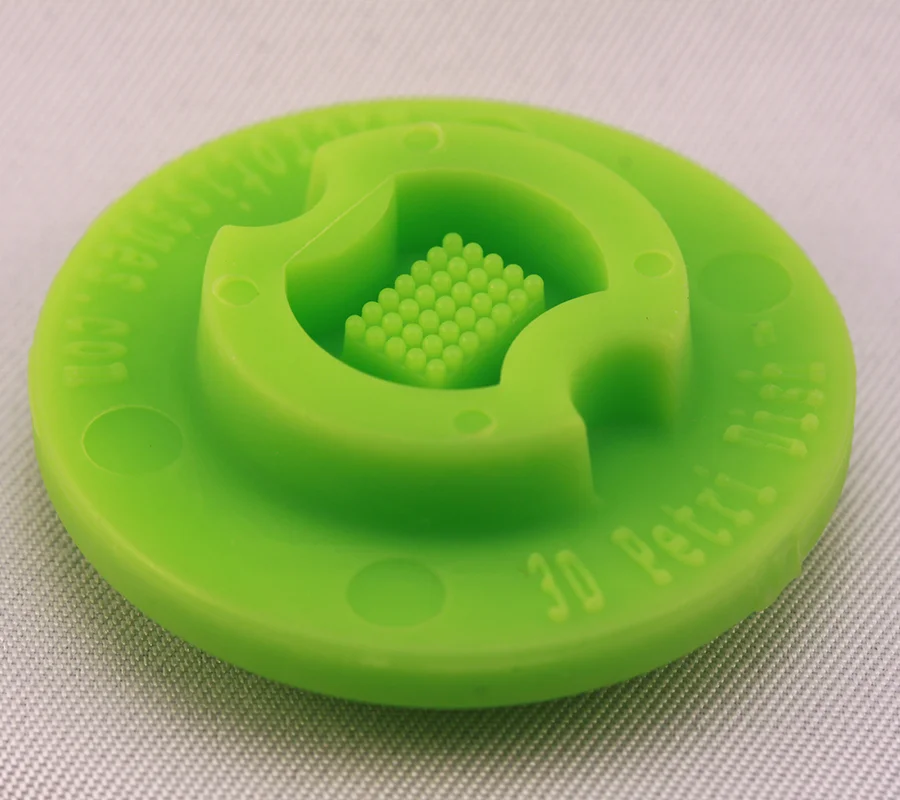
Published in Science Advances (2019), this peer-reviewed study used 3D Petri Dish® micro-molds to form scaffold-free 3D microtissues. Full citation: Kalmykov, Anna, et al. Organ-on-e-chip: Three-dimensional self-rolled biosensor array for electrical interrogations of human electrogenic spheroids
Organ-on-e-chip: Three-dimensional self-rolled biosensor array for electrical interrogations of human electrogenic spheroids
Research Overview
Cell-cell communication coordinates biological systems, and 3D spheroids offer a venue to study it because their architecture mimics the native microenvironment. But electrophysiology — the main tool for electroactive cells — has lacked direct, multisite, simultaneous access to tissue in three dimensions.
This study implemented 3D self-rolled biosensor arrays, built as either active field-effect transistors or passive microelectrodes, to interface human cardiac spheroids in 3D. The arrays delivered continuous, stable, multiplexed recordings of field potentials — bringing genuine 3D electrophysiology to cardiac microtissues.
Key Discoveries
- 3D self-rolled biosensor arrays interfaced human cardiac spheroids in three dimensions
- Both active field-effect transistor and passive microelectrode versions implemented
- Delivered continuous, stable, multiplexed field potential recordings