Summary
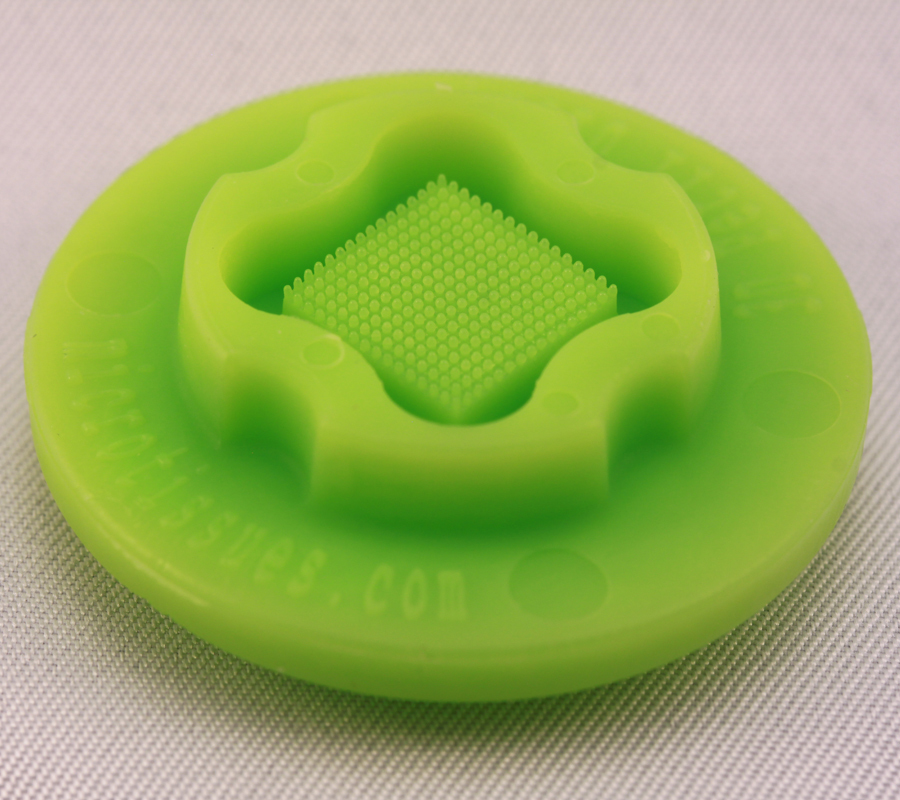
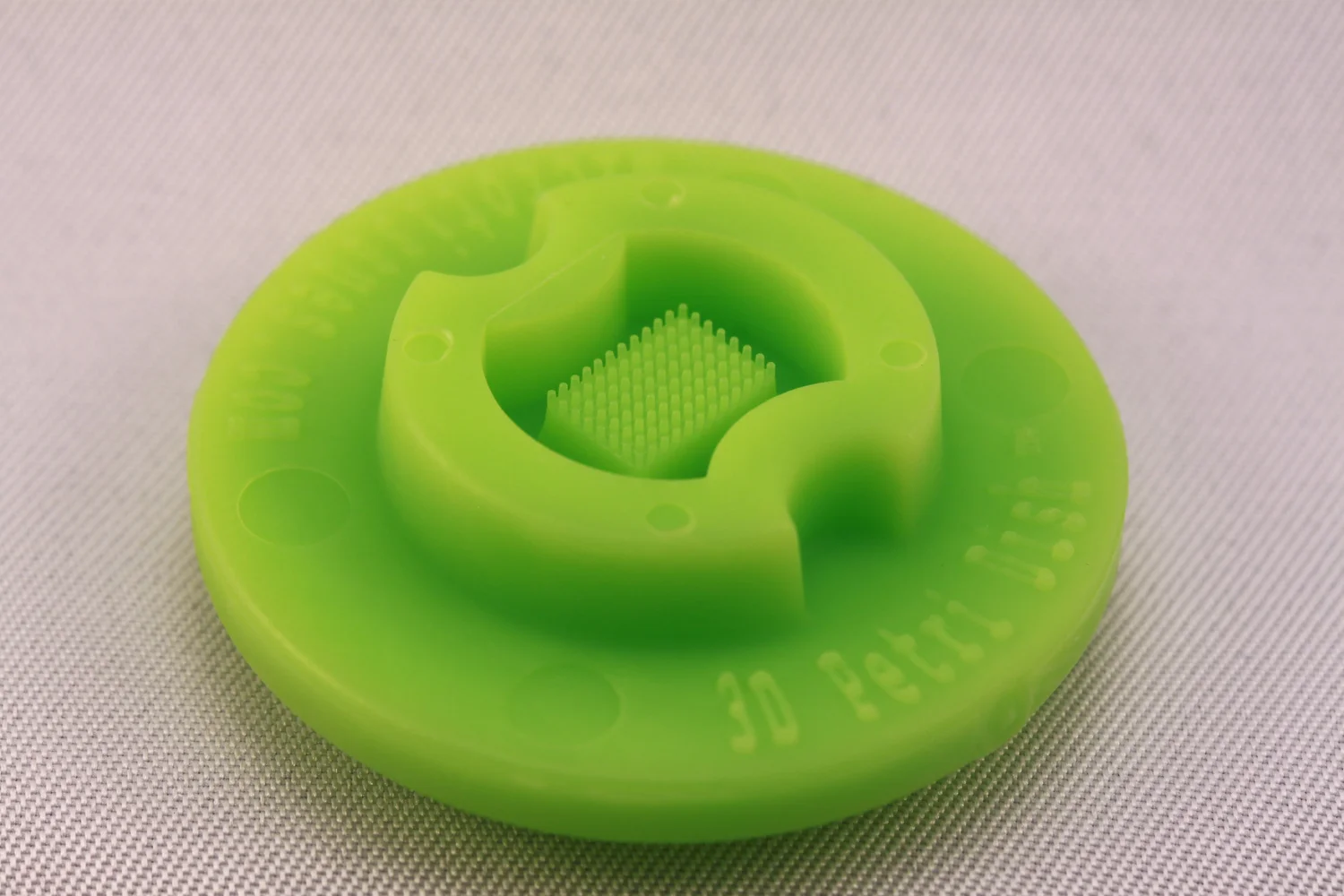
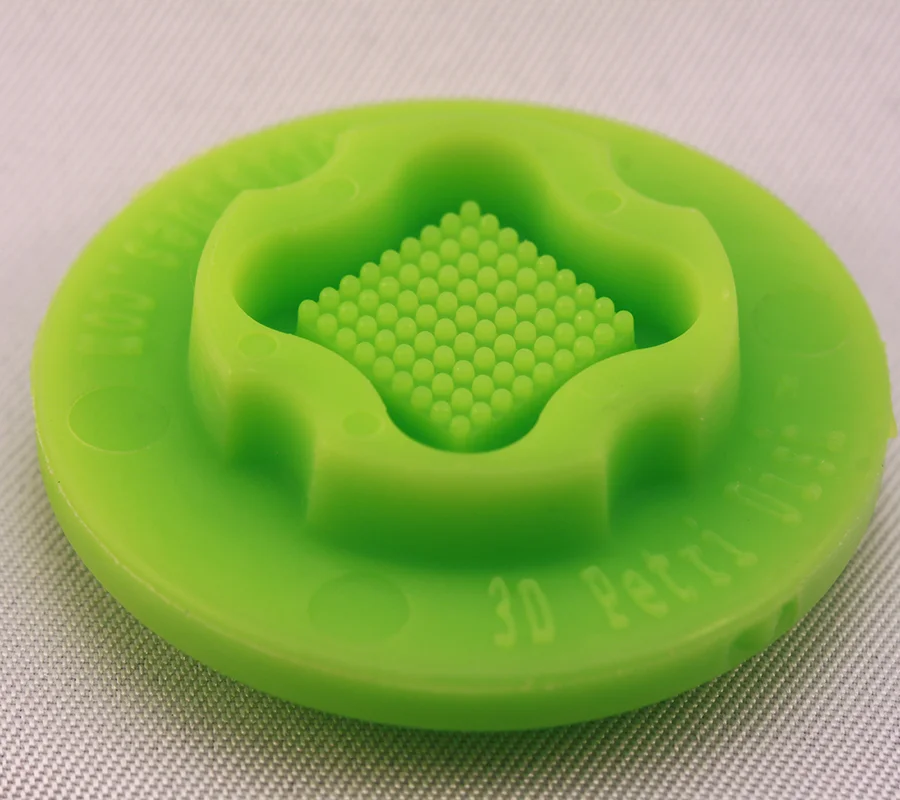
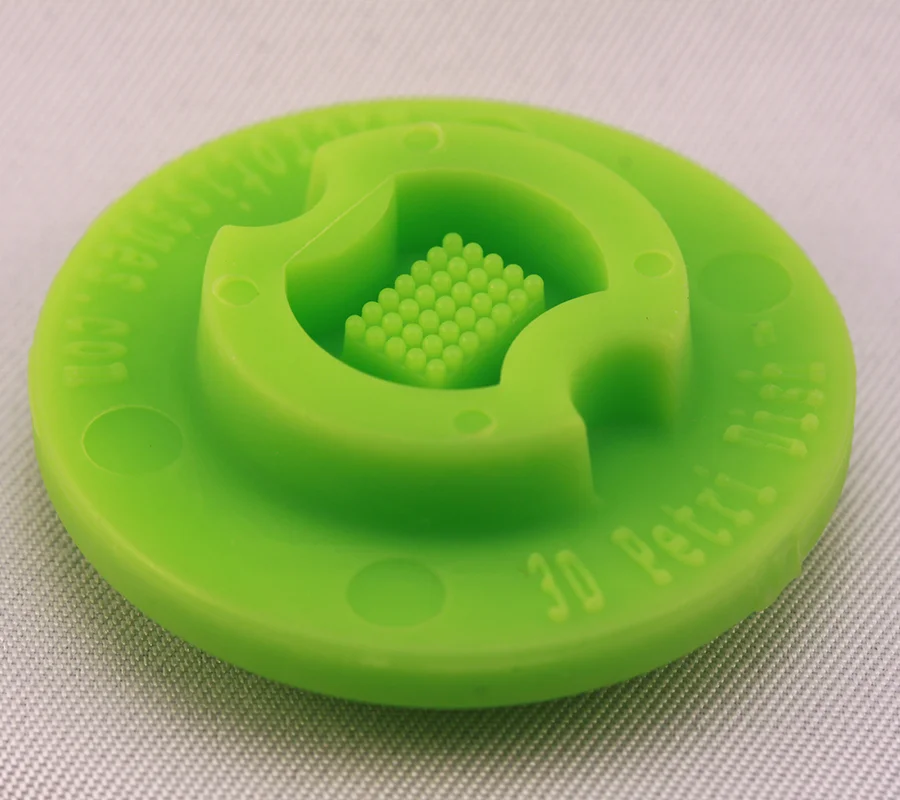
Published in eLife (2022), this peer-reviewed study used 3D Petri Dish® micro-molds to form scaffold-free 3D microtissues. Full citation: Gemperle, Jakub, et al. On demand expression control of endogenous genes with DExCon, DExogron and LUXon reveals differential dynamics of Rab11 family members
On demand expression control of endogenous genes with DExCon, DExogron and LUXon reveals differential dynamics of Rab11 family members
Research Overview
This work introduces a family of tools — DExCon, DExogron (adding auxin-mediated targeted protein degradation), and LUXon (light-responsive) — that combine one-step CRISPR-Cas9 knock-in of fluorescent proteins with an advanced Tet-inducible TRE3GS promoter, so an endogenous gene can be shut off and re-activated on demand, including genes that were silenced.
Control is exerted with doxycycline or spatiotemporally with light, demonstrated by functional knock-out and rescue in the Rab11 family of vesicle-trafficking regulators. Monoallelic knock-in gives signals bright enough for low-light live microscopy, allows imaging different alleles of the same gene simultaneously, and avoids the need to isolate clones, with protein levels readily tunable.
Key Discoveries
- DExCon, DExogron, and LUXon combine CRISPR knock-in with a Tet-inducible promoter for on-demand gene control
- Demonstrated functional knock-out and rescue in the Rab11 vesicle-trafficking family
- Monoallelic fluorescent knock-in supports low-light live imaging without clonal selection