Summary
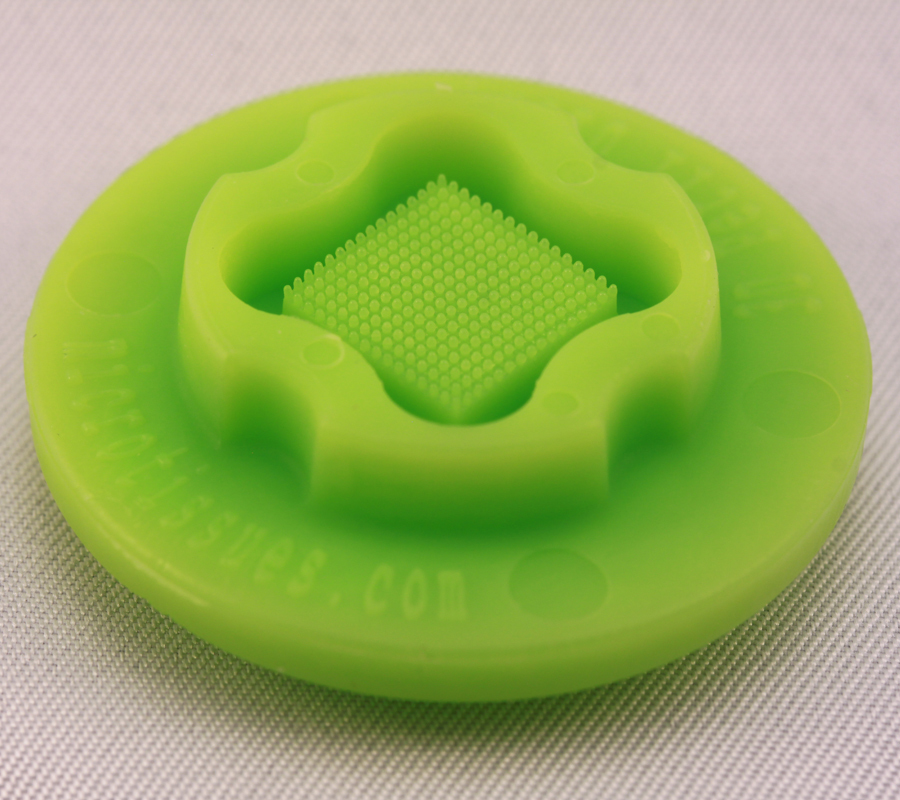
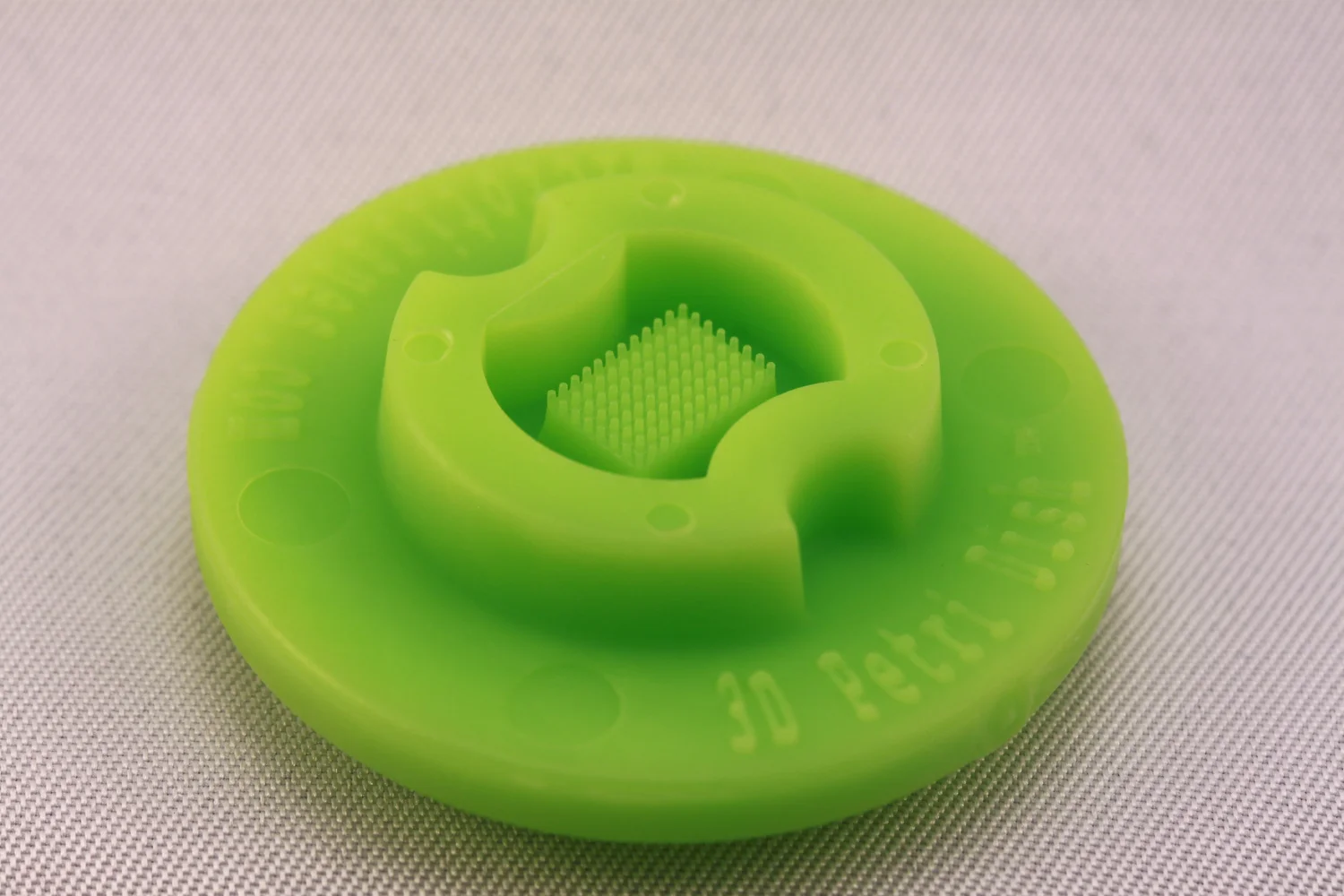
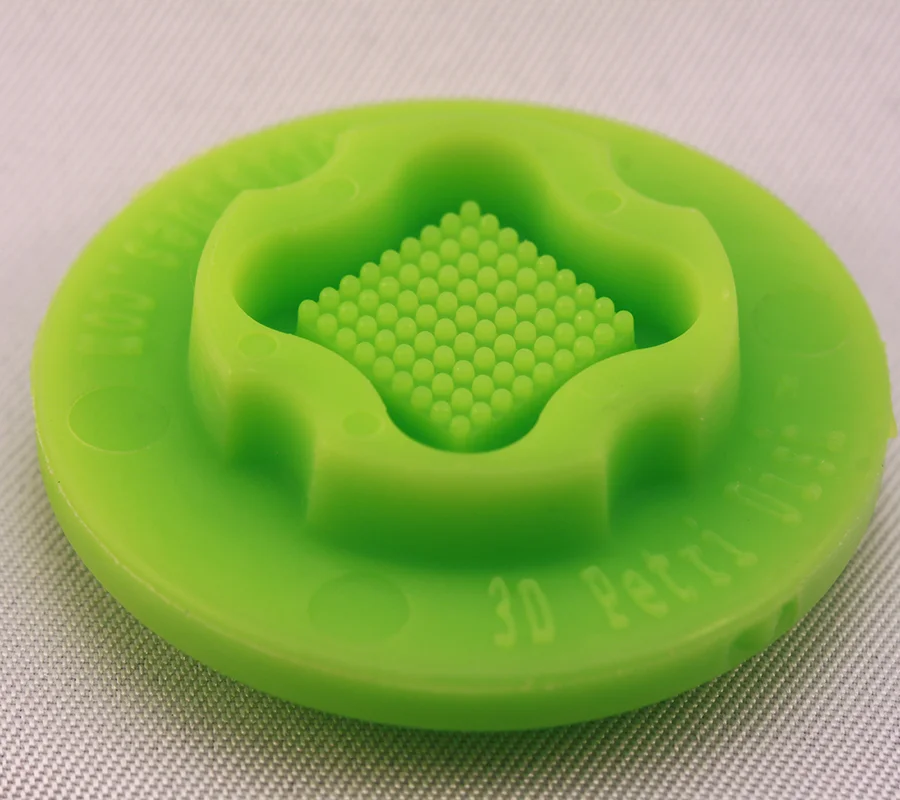
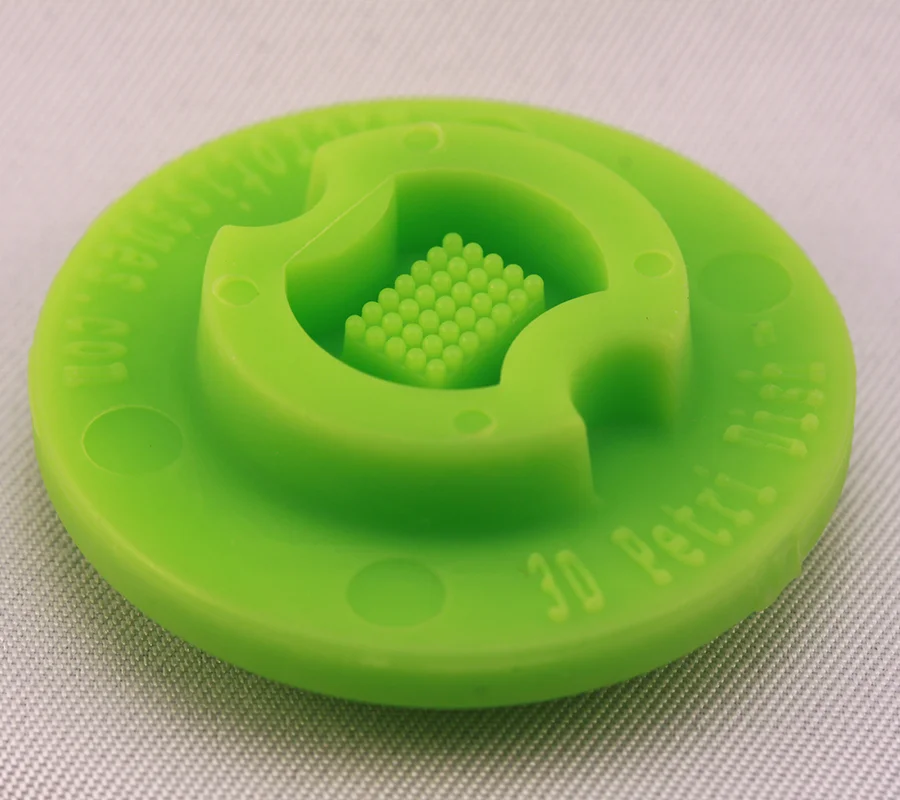
Published in Analytical and Bioanalytical Chemistry (2024), this peer-reviewed study used 3D Petri Dish® micro-molds to form scaffold-free 3D microtissues. Full citation: Calabretta, Maria Maddalena, et al. Novel bioassays based on 3D-printed device for sensing of hypoxia and p53 pathway in 3D cell models
Novel bioassays based on 3D-printed device for sensing of hypoxia and p53 pathway in 3D cell models
Research Overview
Cell-based assays underpin drug screening and biosensing, and 3D models give far more useful information than flat culture — but 3D bioassays are demanding in facilities, equipment, and trained staff, which limits who can run them.
This study set out to lower that barrier with a 3D-printed microtissue device: cheaper, more sustainable, and flexible enough to serve as a general 3D cell-based assay platform. To test whether the format supports reporter-gene technology, the authors monitored two molecular pathways of broad interest, including hypoxia signaling.
Key Discoveries
- 3D-printed microtissue device built to reduce the cost and skill barrier of 3D bioassays
- Validated with reporter-gene readouts across two molecular pathways including hypoxia
- Positioned as a flexible platform supporting replacement of animal models