Summary
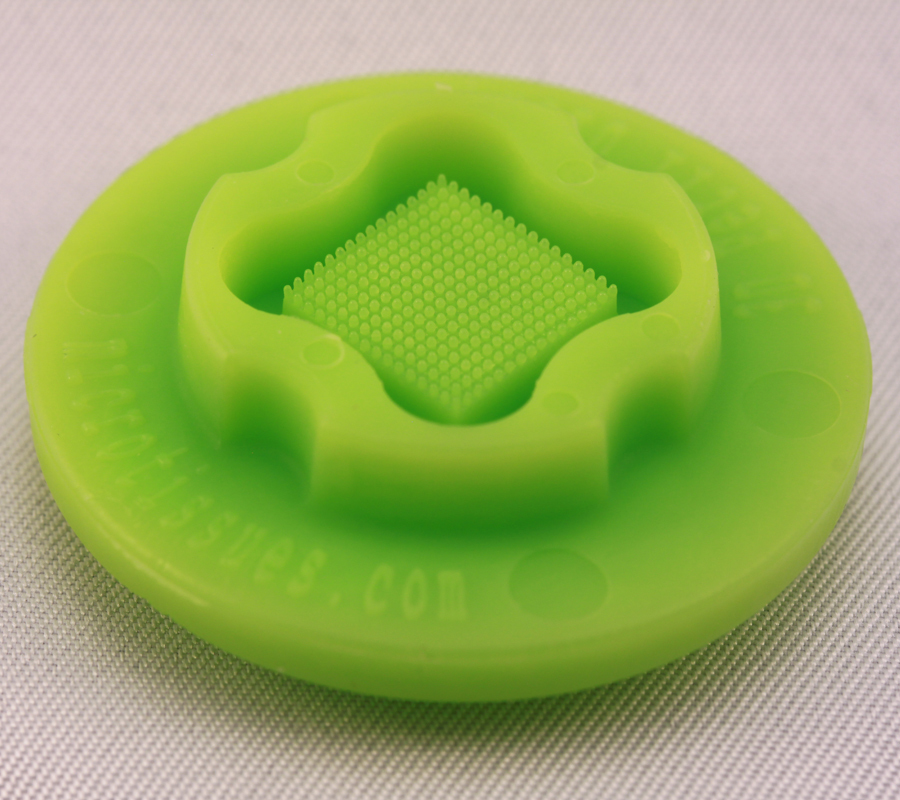
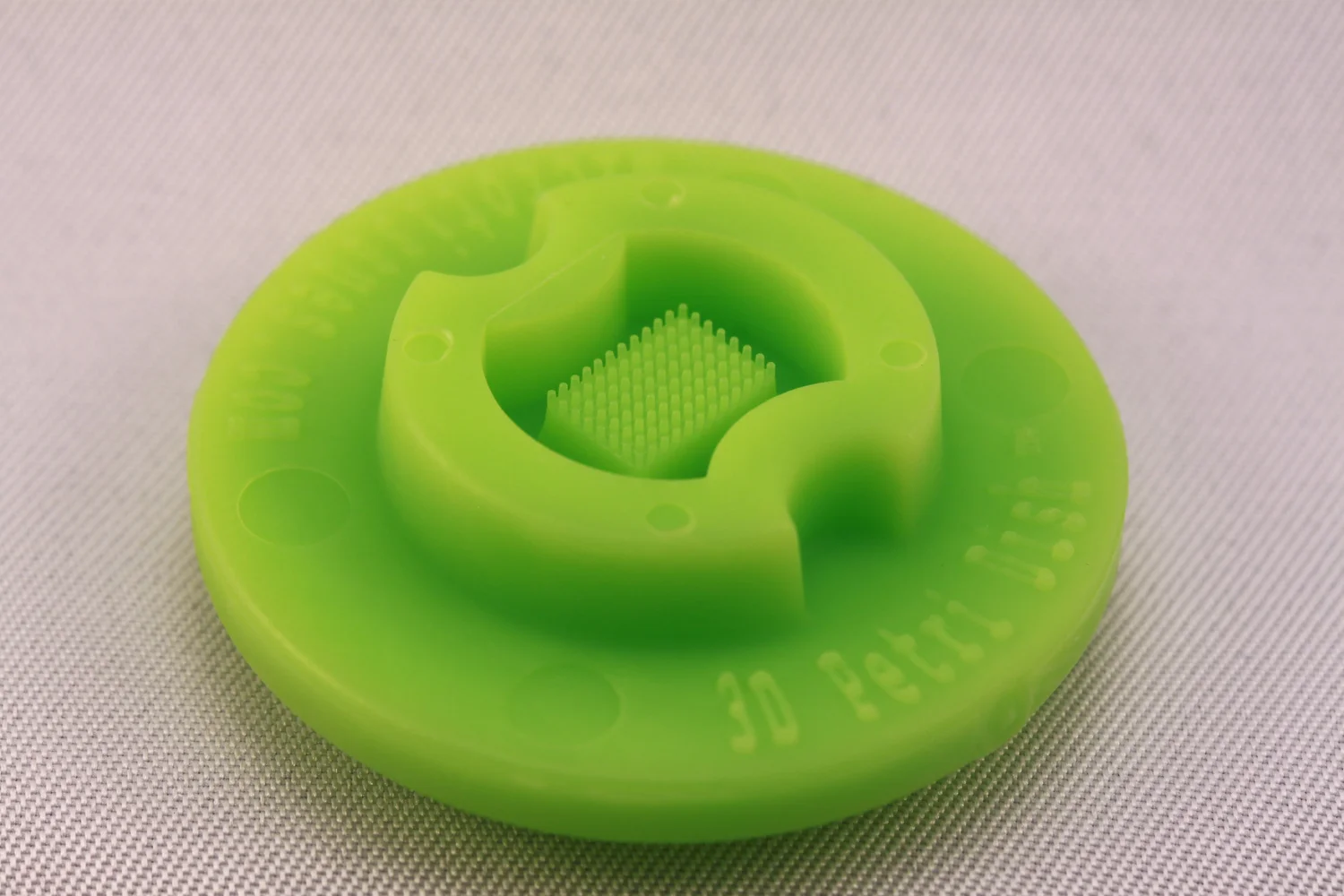
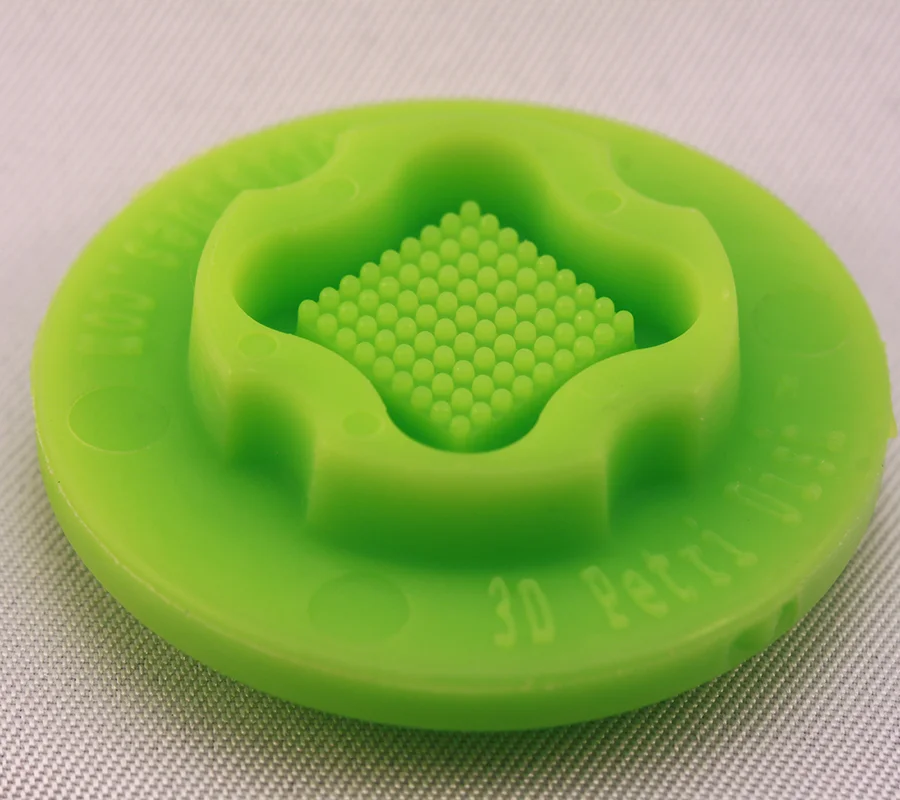
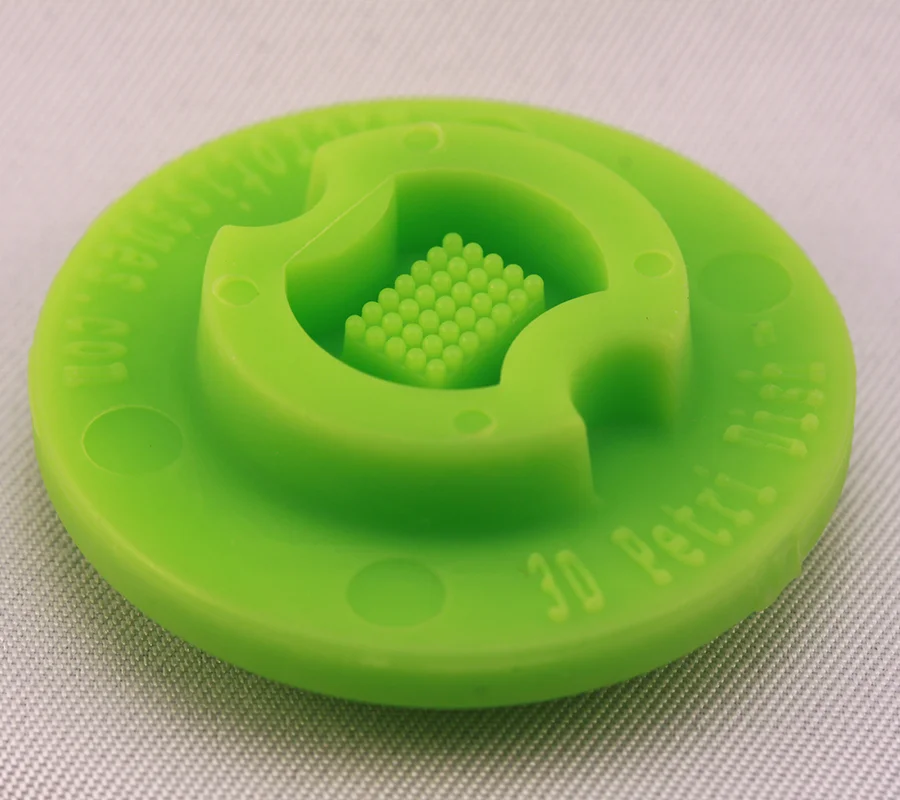
Published in Science Translational Medicine (2025), this study developed a multiscale profiling platform integrating hiPSC-derived cardiomyocytes, 3D cardiac microtissues, and computational modeling to systematically assess tyrosine kinase inhibitor (TKI) cardiotoxicity. The research identified the mechanosensitive ion channel PIEZO1 as a druggable cardioprotective target, with pharmacological activation by Yoda1 rescuing TKI-induced cardiac dysfunction. 3D Petri Dish® micro-molds were used to generate uniform cardiac microtissues for high-throughput contractility and calcium imaging assays.
Multiscale profiling of tyrosine kinase inhibitor cardiotoxicity reveals mechanosensitive ion channel PIEZO1 as cardioprotective
Research Overview
Tyrosine kinase inhibitors improve cancer outcomes but cause cardiovascular toxicity — notably hypertension and heart failure — through mechanisms that have remained unclear. This study investigated endothelial mechanotransduction as the link, focusing on sunitinib, a VEGF-receptor-targeting inhibitor.
Using patient-specific iPSC-derived endothelial cells alongside a mouse model of inhibitor-induced hypertension, the authors identified downregulation of PIEZO1 — a mechanically activated ion channel — as a driver of endothelial dysfunction, and showed that restoring PIEZO1 counters it, pointing toward a protective strategy for patients on these drugs.
Key Discoveries
- Systematic TKI cardiotoxicity profiling — Electrophysiological, contractile, and transcriptomic analyses revealed that the cancer drugs ponatinib, sorafenib, and sunitinib disrupt calcium handling and contractile function at clinically relevant concentrations.
- PIEZO1 identified as key mediator — Multiscale profiling pinpointed the mechanosensitive ion channel PIEZO1 as a central mediator of TKI-induced cardiotoxicity, representing a novel therapeutic target.
- Yoda1 rescues cardiac function — Pharmacological activation of PIEZO1 with the small molecule Yoda1 restored calcium transient kinetics, contractile function, and electrophysiological properties in TKI-treated cardiac microtissues.
- Comprehensive preclinical framework — The platform establishes a new standard for preclinical cardiotoxicity assessment of cancer therapeutics, integrating multiple biological scales.