Summary
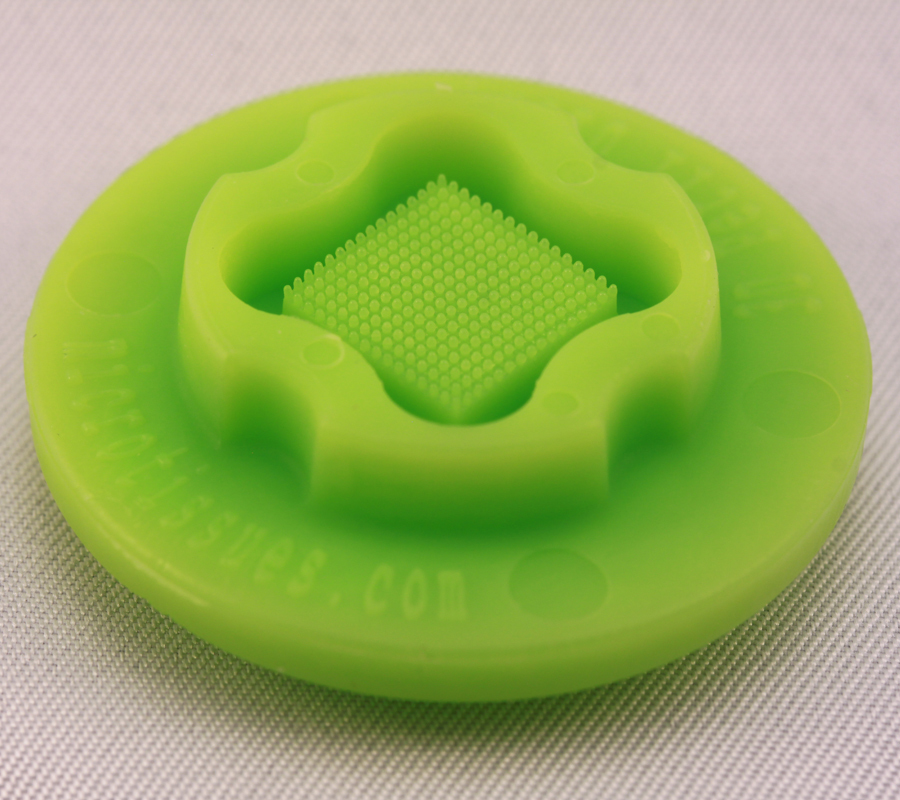
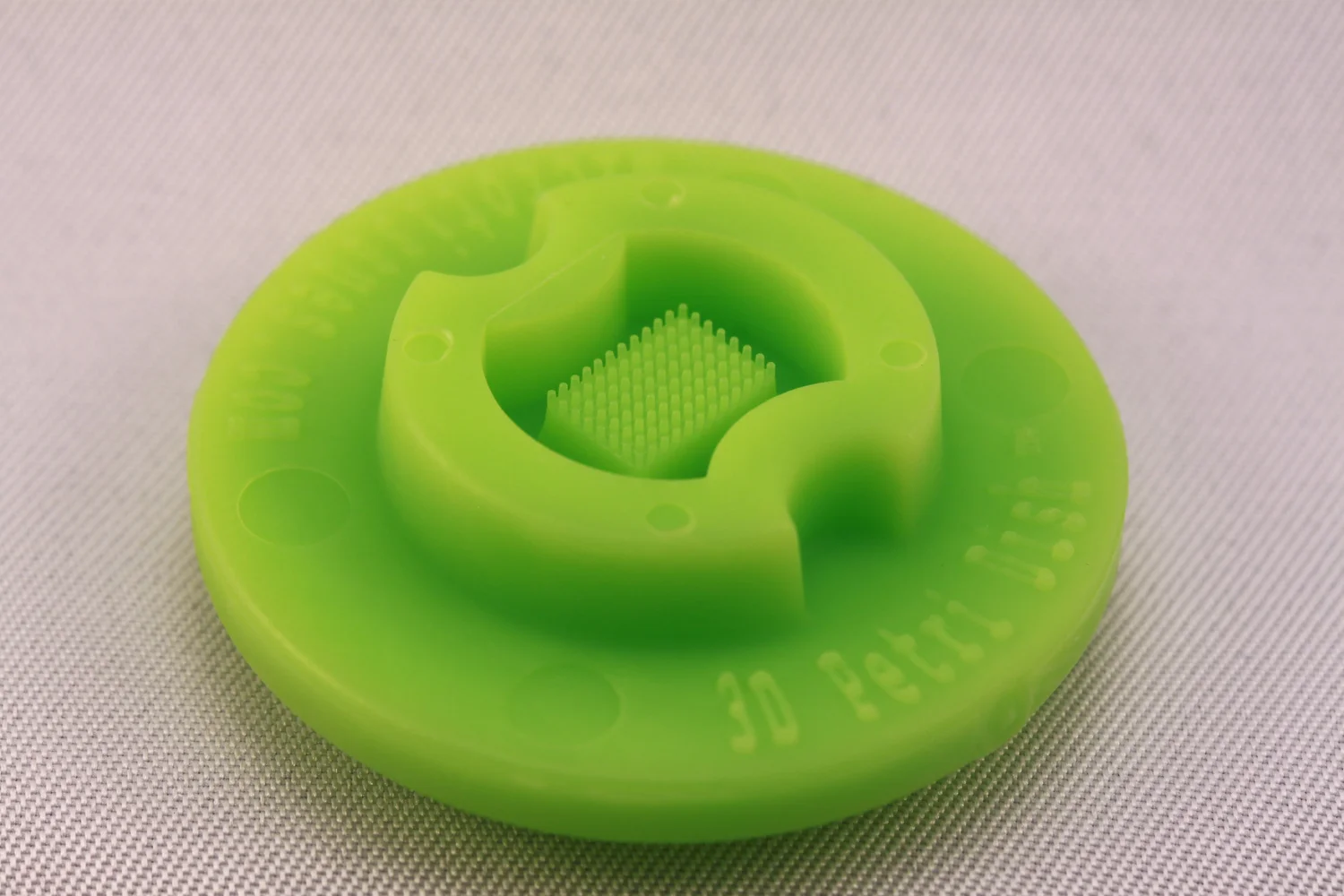
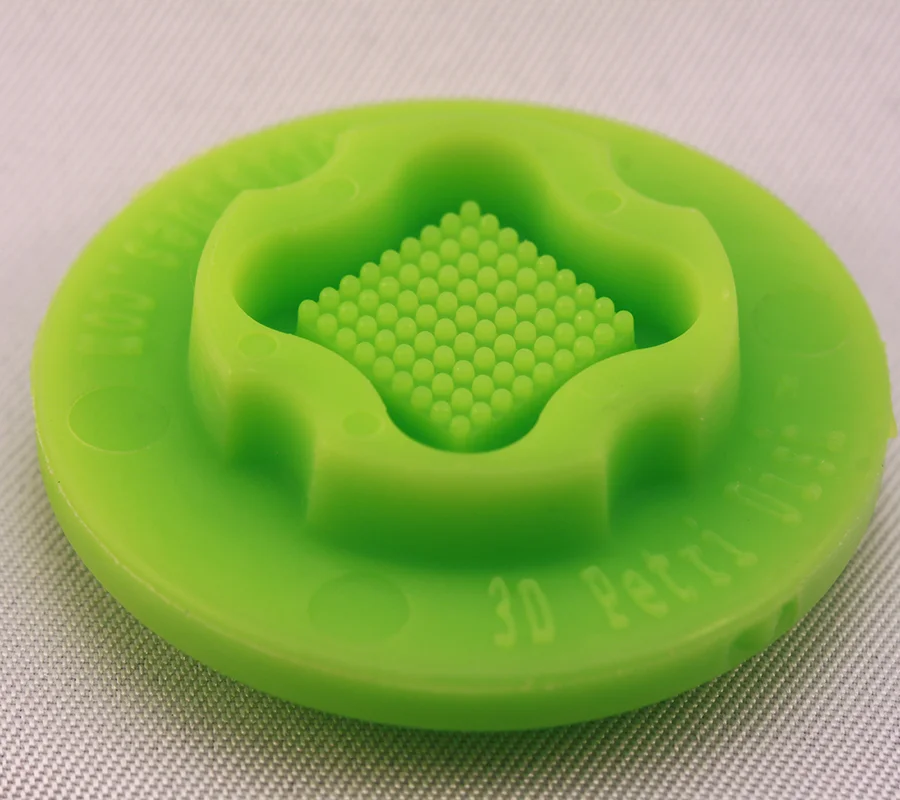
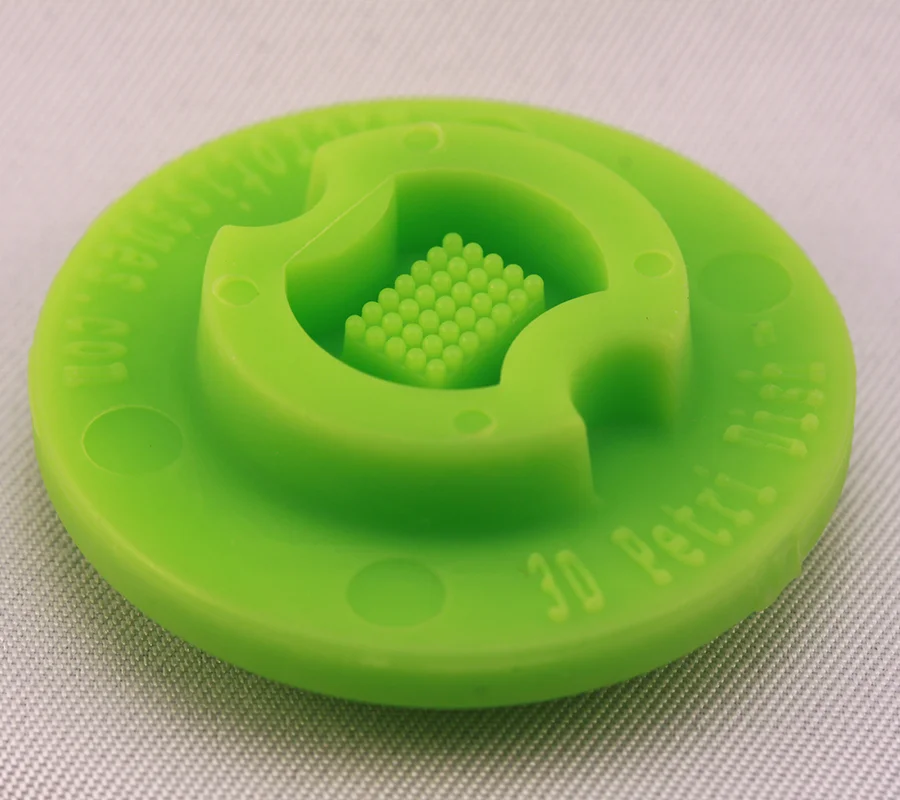
Published in Archives of Oral Biology (2017), this peer-reviewed study used 3D Petri Dish® micro-molds to form scaffold-free 3D microtissues. Full citation: Janjić, Klara, et al. Expression of circadian core clock genes in fibroblasts of human gingiva and periodontal ligament is modulated by L-Mimosine and hypoxia in monolayer and spheroid cultures
Expression of circadian core clock genes in fibroblasts of human gingiva and periodontal ligament is modulated by L-Mimosine and hypoxia in monolayer and spheroid cultures
Research Overview
The circadian clock participates in bone formation and tooth development, and while core clock genes are expressed in many tissues, their role in the periodontium was unclear.
This study hypothesized that periodontal cells express circadian core clock genes and that hypoxia modulates them. Human gingival fibroblasts and periodontal ligament fibroblasts, in both monolayer and spheroid culture, were treated with the hypoxia-mimetic L-mimosine or actual hypoxia, with reverse transcription and quantitative PCR measuring the impact on circadian gene expression.
Key Discoveries
- Circadian core clock gene expression confirmed in gingival and periodontal ligament fibroblasts
- Hypoxia and L-mimosine modulated clock gene mRNA levels
- Responses compared between monolayer and spheroid culture formats