Summary
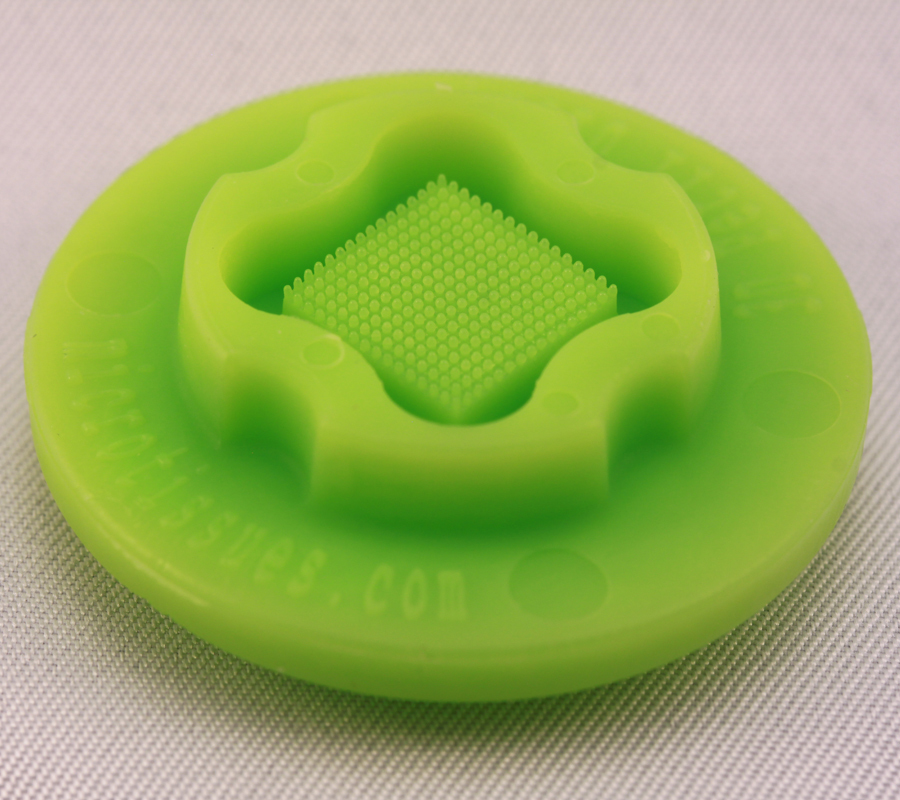
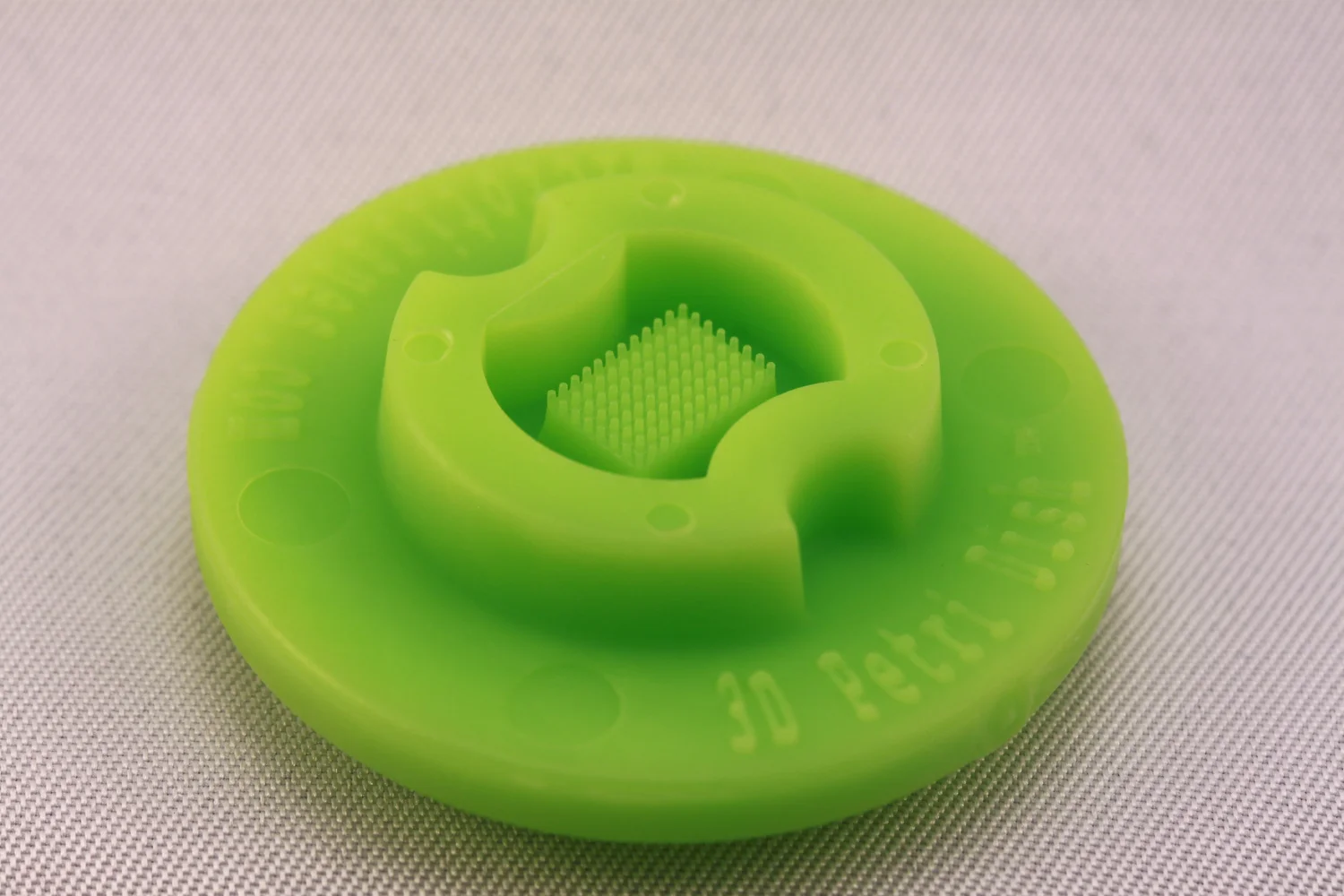
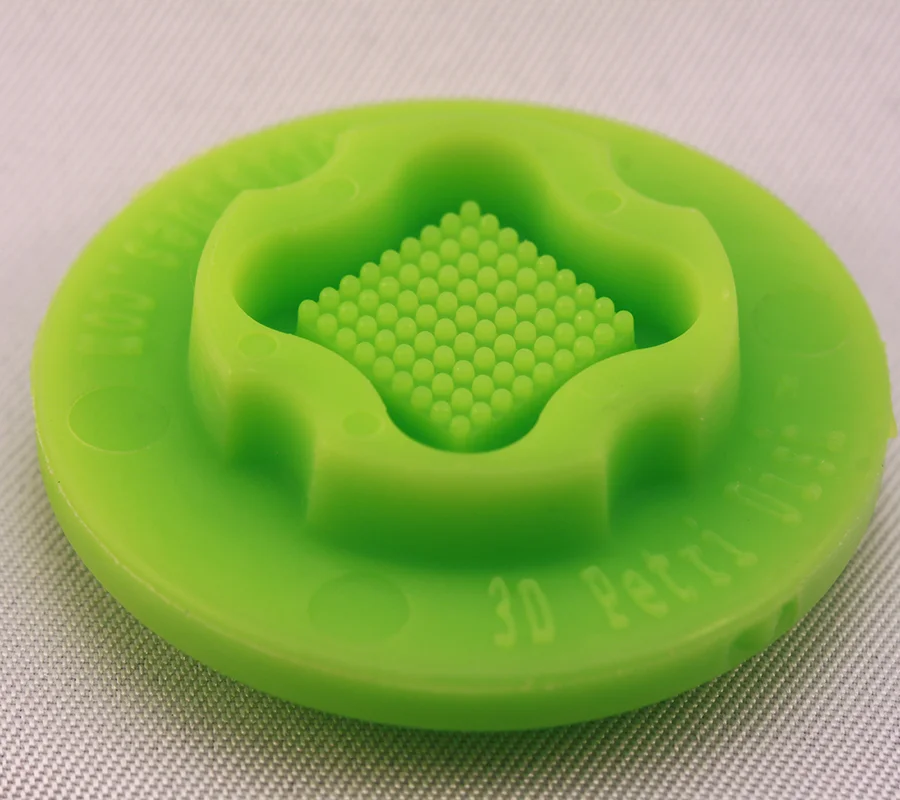
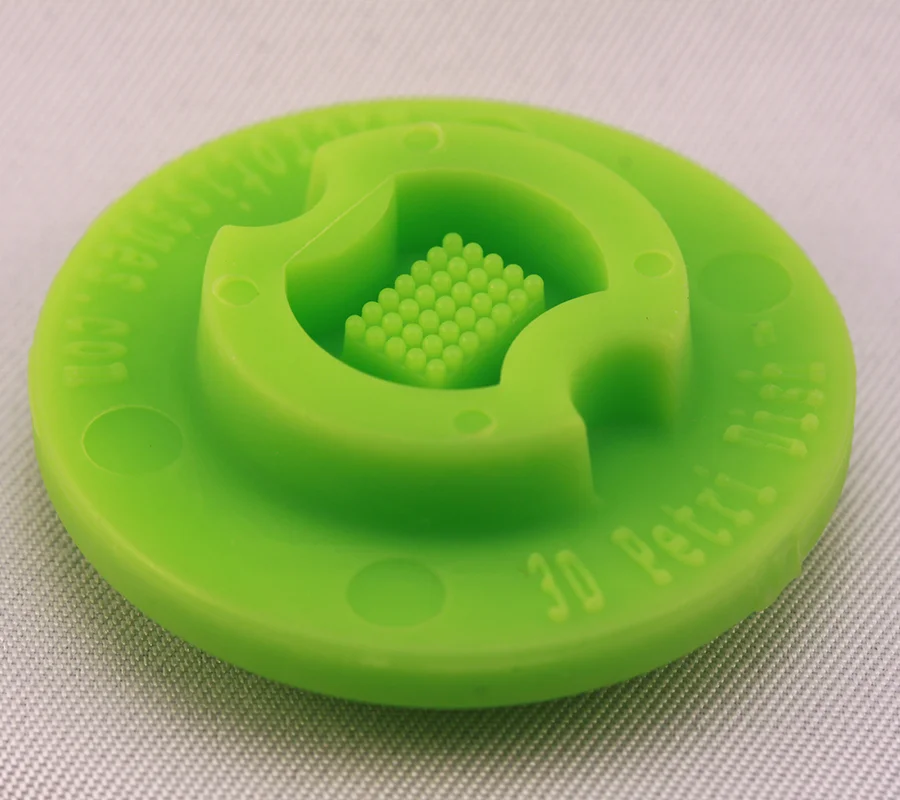
Research published in Cell Proliferation (2026) demonstrates that lactate promotes early bone regeneration by inducing macrophage M1 polarization, which accelerates vascularization at injury sites through the HIF1α-NOD1-calcium influx signaling axis. Lactate-loaded hydrogel scaffolds fabricated using 3D Petri Dish® micro-molds provided a controlled delivery system for studying these immunomodulatory effects in three-dimensional microtissue culture.
Lactate Accelerates Early Angiogenesis and Bone Regeneration Through Macrophage M1 Polarisation
Research Overview
Bone healing depends on immune regulation of the early repair microenvironment, where M1 pro-inflammatory macrophages drive vascularization. Those macrophages respond not only to interferon-gamma and lipopolysaccharide but also to metabolite-derived signals — and lactate’s specific immunomodulatory role in bone injury had not been fully examined.
In vitro experiments demonstrated that lactate induced macrophage polarization toward the M1 phenotype and accelerated angiogenesis, linking a common metabolite to the vascular response that early bone regeneration requires.
Key Discoveries
- Lactate induces M1 macrophage polarization — In vitro experiments showed that lactate drives macrophages toward the pro-inflammatory M1 phenotype, which plays a pivotal role in vascularization during early bone repair.
- HIF1α-NOD1-calcium influx axis identified — The molecular mechanism by which lactate triggers M1 polarization and accelerates angiogenesis was mapped to this novel signaling pathway.
- Enhanced in vivo bone regeneration — Using a cranial bone defect model, lactate was shown to enhance blood vessel formation at the injury site and promote early bone healing.
- Macrophage-dependent healing — Macrophage depletion experiments confirmed that the pro-healing and pro-angiogenic effects of lactate require macrophage presence, establishing causality.