Summary
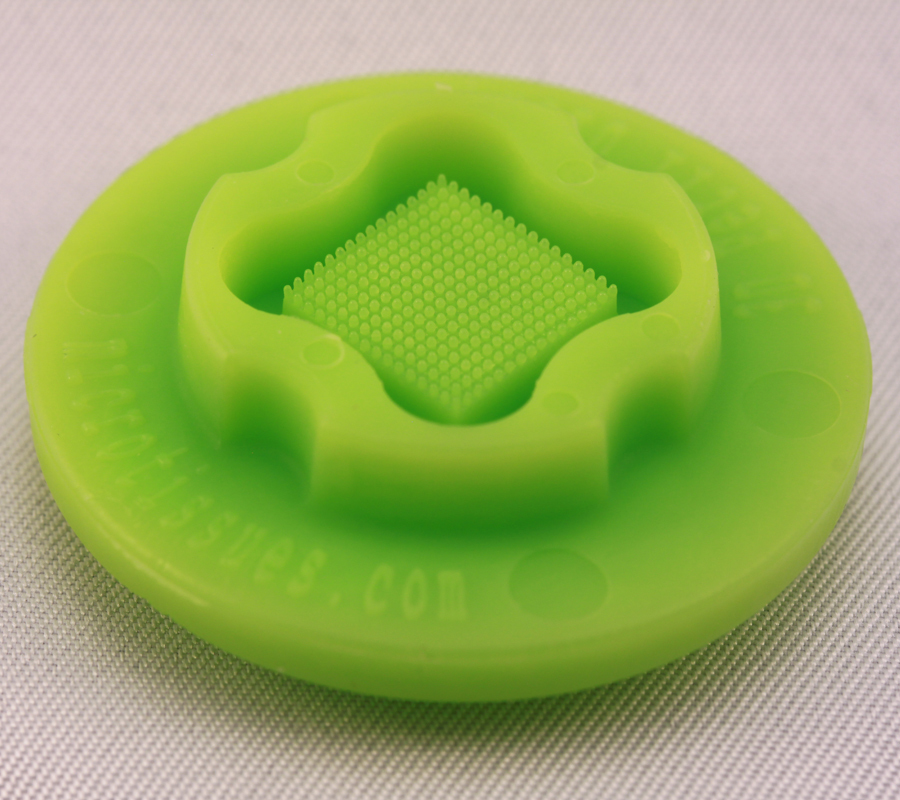
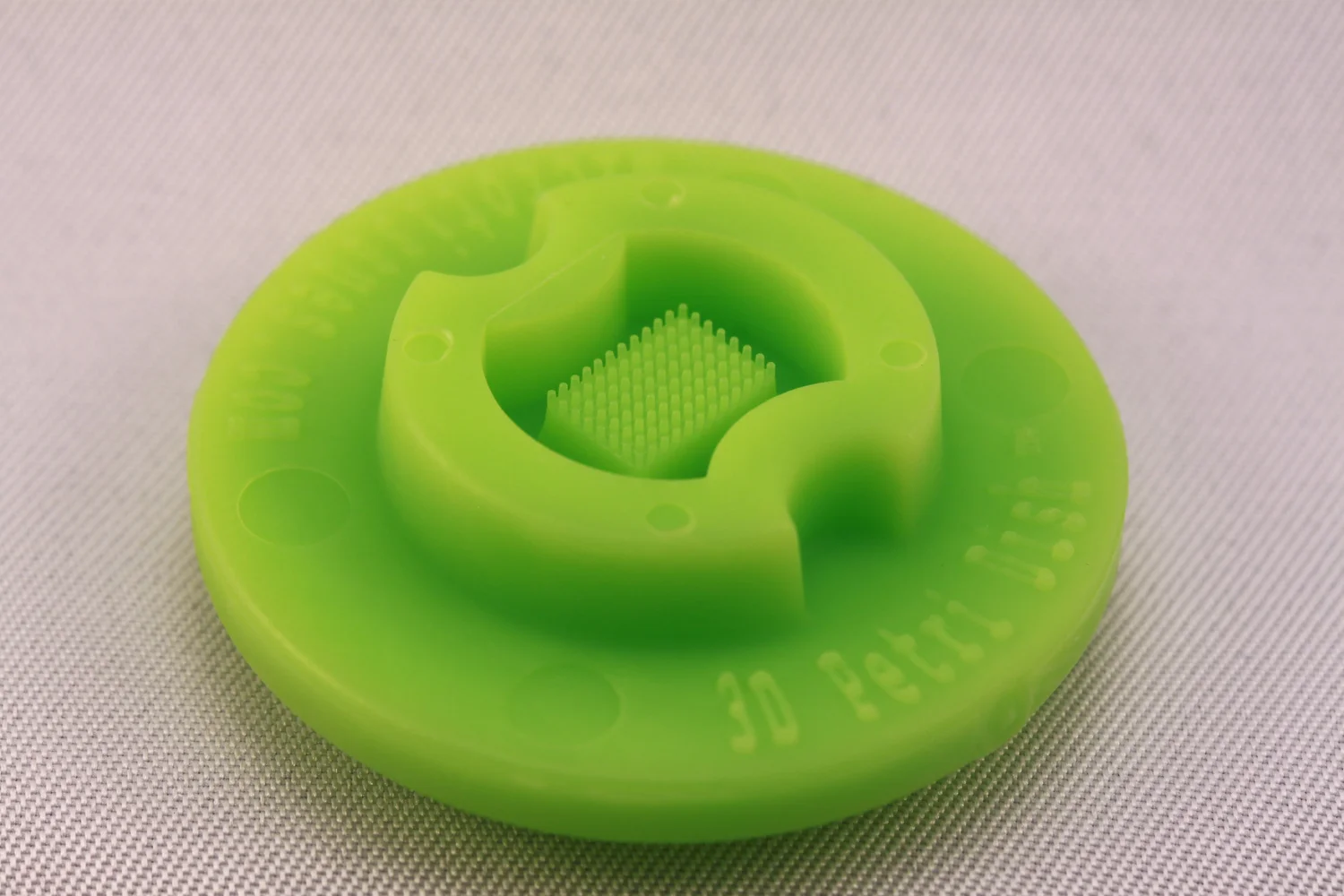
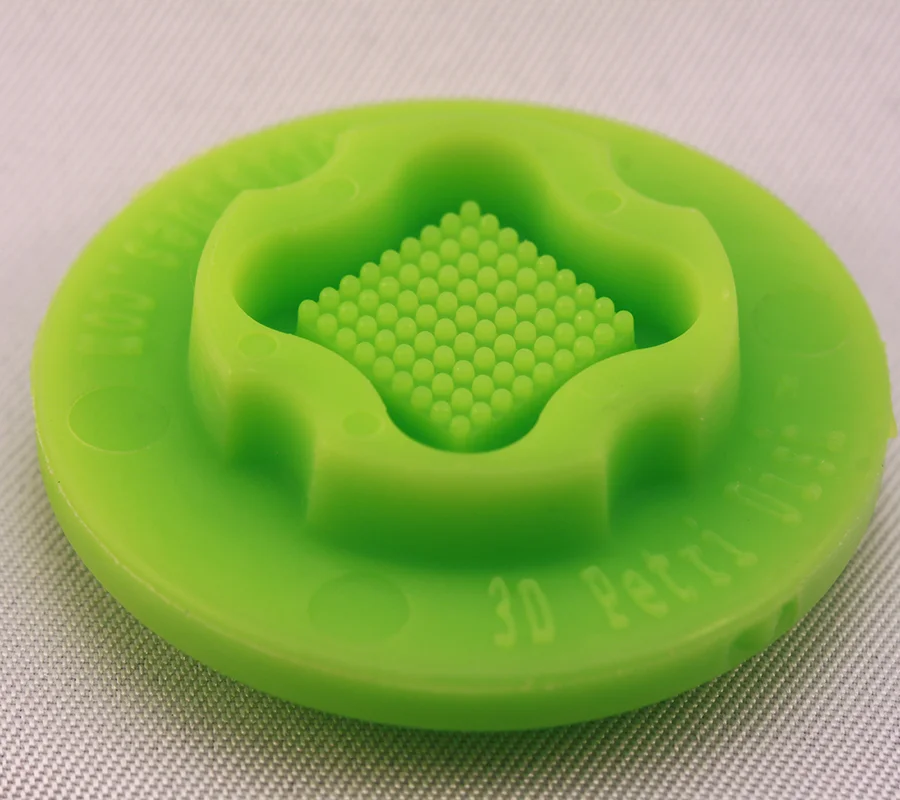
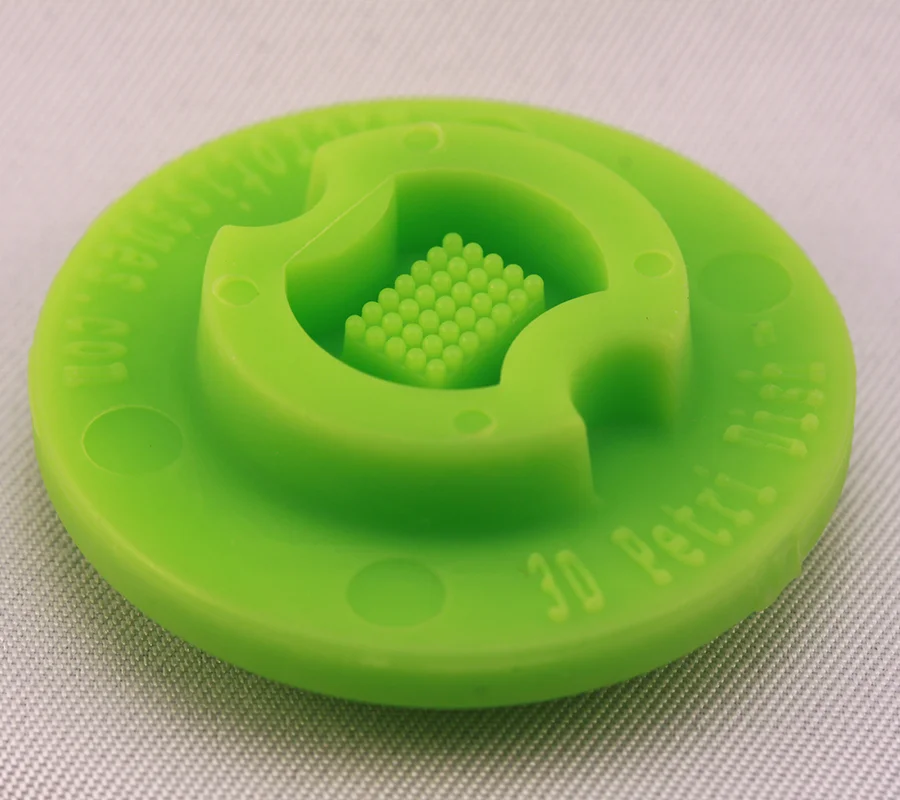
Published in American Journal of Physiology-Heart and Circulatory Physiology (2025), this peer-reviewed study used 3D Petri Dish® micro-molds to form scaffold-free 3D microtissues. Full citation: Broadwin, Mark, et al. Lab-grown, 3D extracellular matrix particles improve cardiac function and morphology in myocardial ischemia
Lab-grown, 3D extracellular matrix particles improve cardiac function and morphology in myocardial ischemia
Research Overview
This study introduced lab-grown human 3D extracellular matrix particles as a therapeutic approach to prevent pathological remodeling and heart failure after myocardial infarction, tested in an animal model of heart attack.
Because the matrix is grown by human cells rather than harvested or synthesized, it offers a nonsurgical route to limiting adverse cardiac remodeling — a finding with implications for reducing the global burden of cardiovascular disease.
Key Discoveries
- Lab-grown human 3D extracellular matrix particles tested in an animal heart attack model
- Approach targets pathological remodeling and progression to heart failure
- Points toward nonsurgical therapeutic modalities for cardiovascular disease