Summary
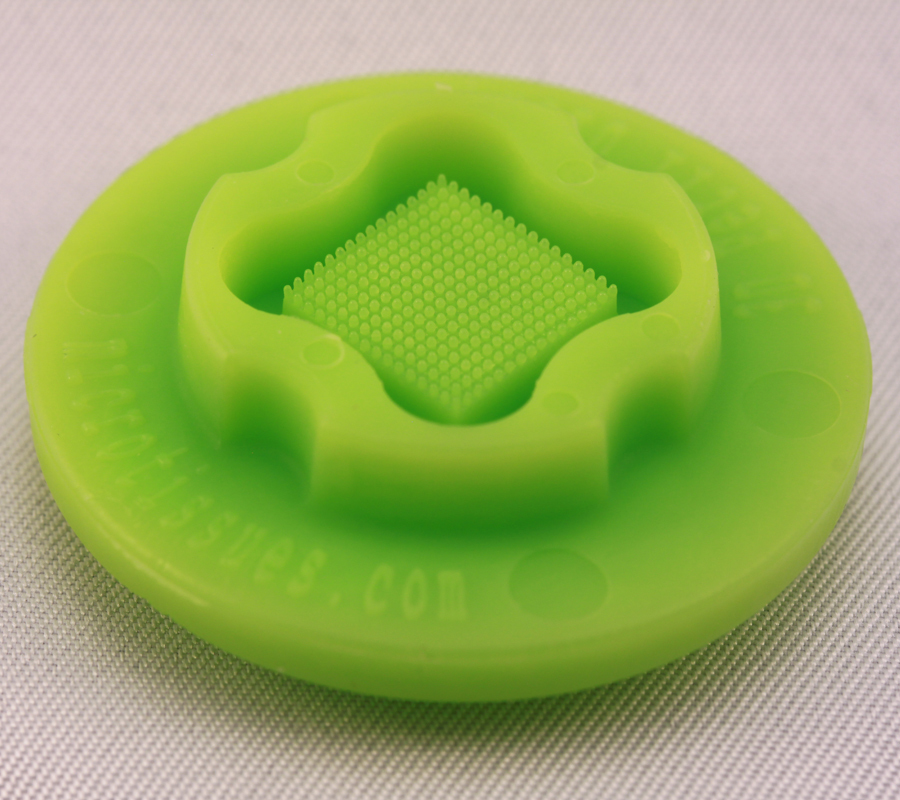
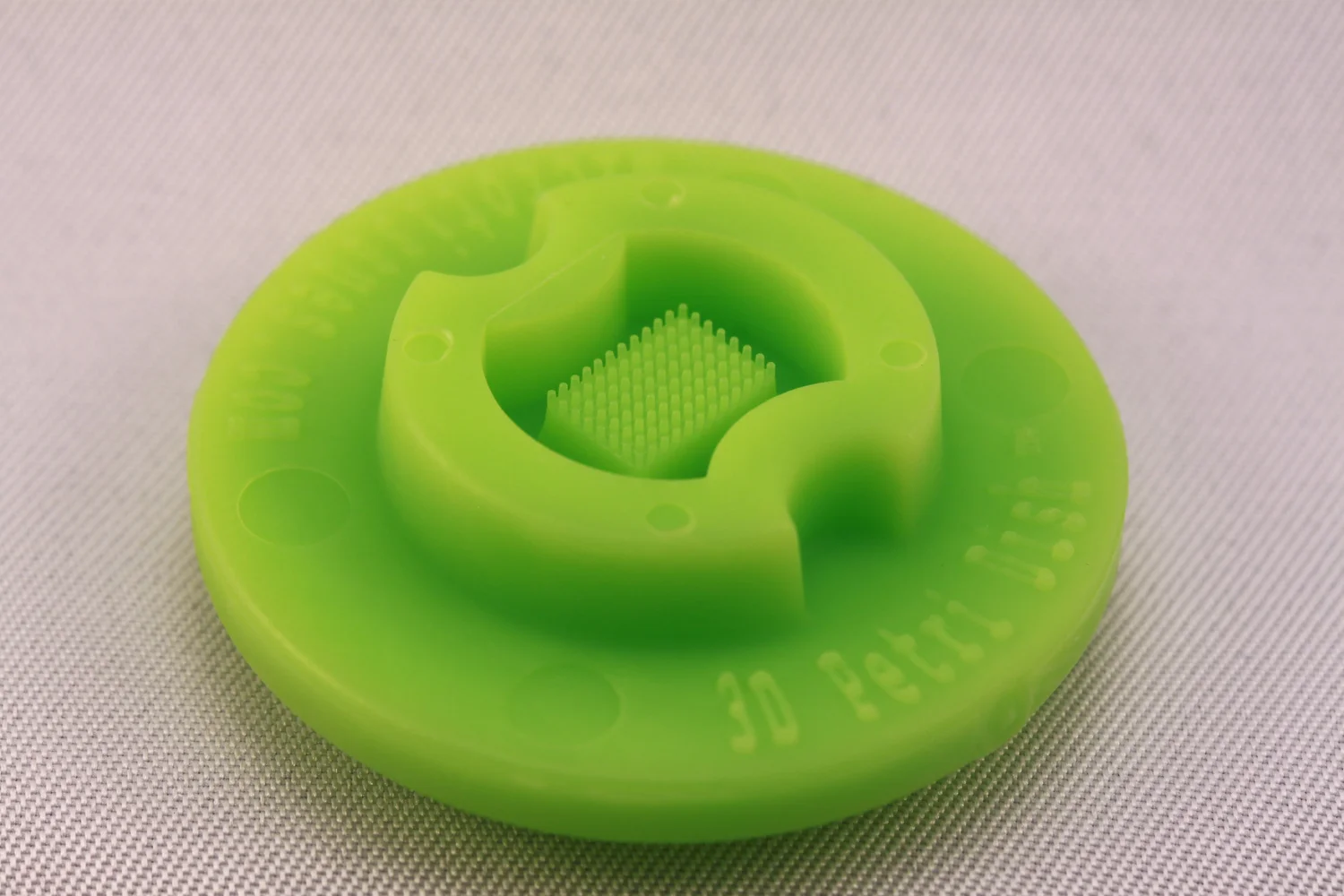
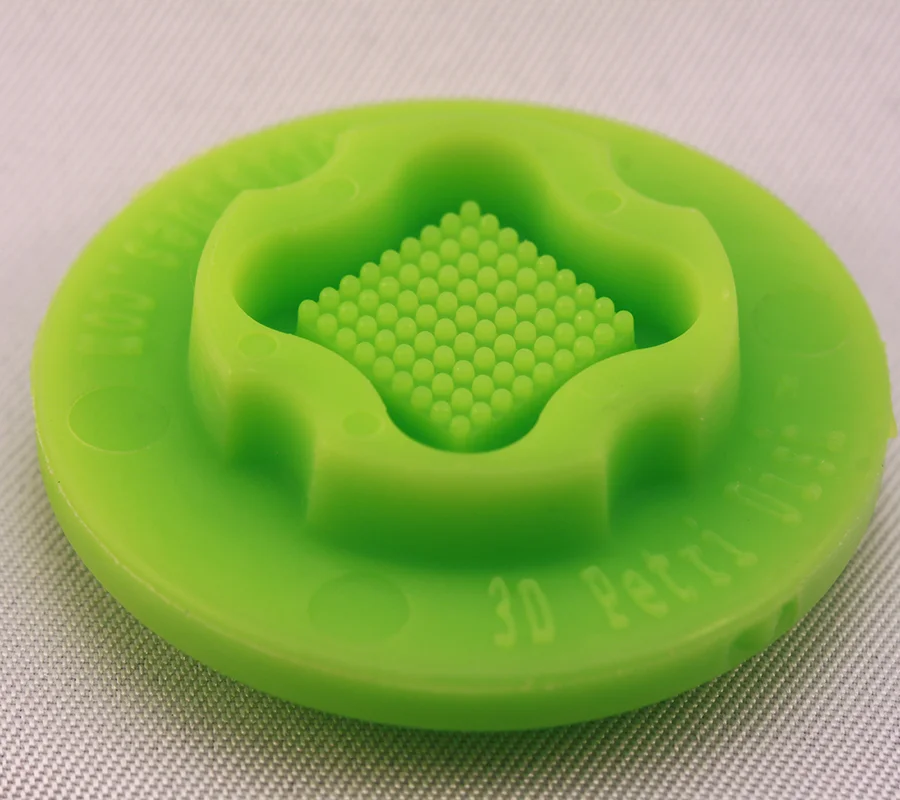
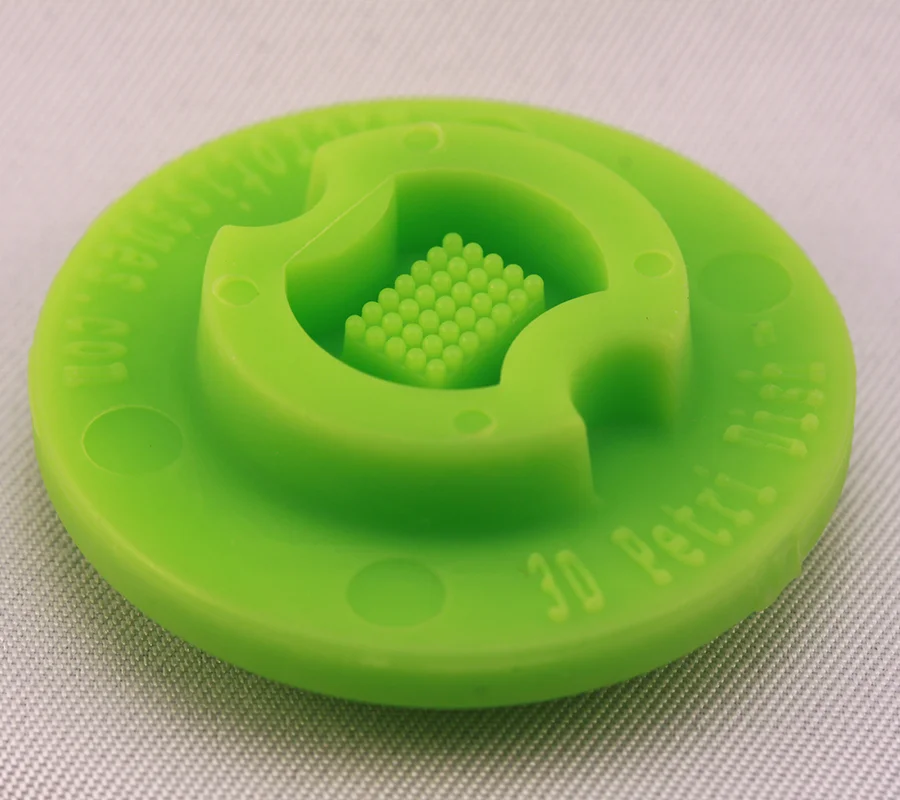
Published in BMC Oral Health (2017), this peer-reviewed study used 3D Petri Dish® micro-molds to form scaffold-free 3D microtissues. Full citation: Janjić, Klara, et al. L-mimosine and hypoxia can increase angiogenin production in dental pulp-derived cells
L-mimosine and hypoxia can increase angiogenin production in dental pulp-derived cells
Research Overview
Angiogenin is a key molecule in healing and has been applied successfully in regenerative medicine, but its role in dental pulp regeneration is unclear. This study examined how the hypoxia-mimetic agent L-mimosine (L-MIM) and true hypoxia affect angiogenin in dental pulp.
Human dental pulp-derived cells were grown in monolayer and spheroid cultures and treated with L-MIM or hypoxia, and tooth slice organ cultures were used to mimic the pulp-dentin complex. Angiogenin mRNA and protein were measured by qPCR and ELISA, with echinomycin inhibitor studies probing HIF-1 signaling. Both L-MIM and hypoxia increased angiogenin protein production in monolayer cultures.
Key Discoveries
- L-mimosine and hypoxia both increased angiogenin protein in dental pulp cell monolayers
- Tested in monolayer, spheroid, and tooth-slice organ culture formats
- Echinomycin used to test HIF-1 dependence of the response