Summary
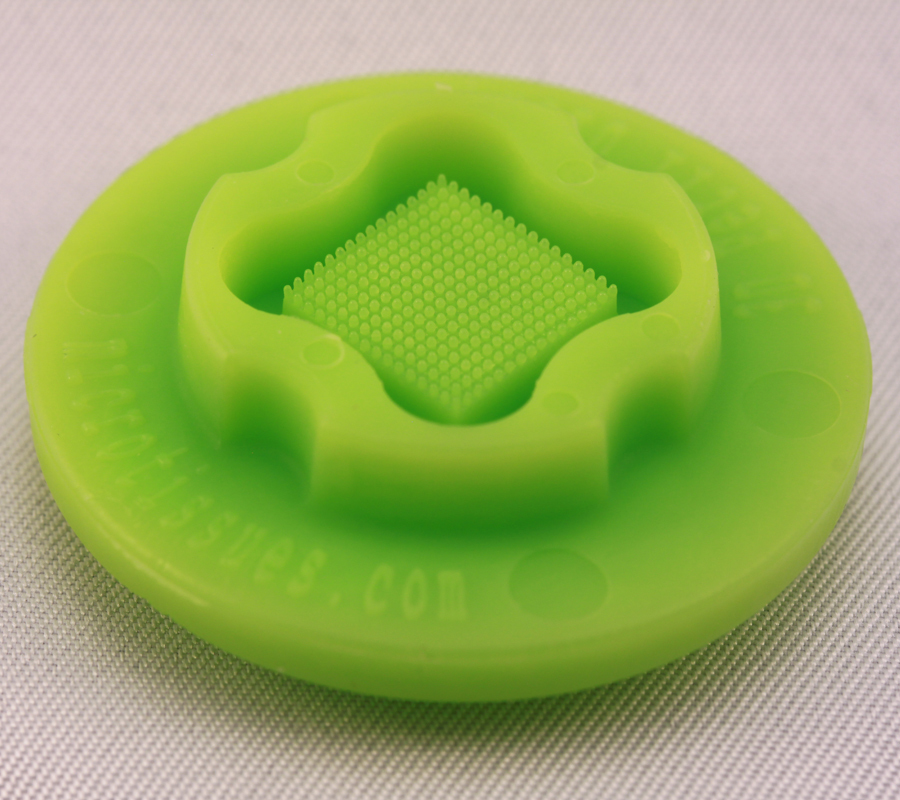
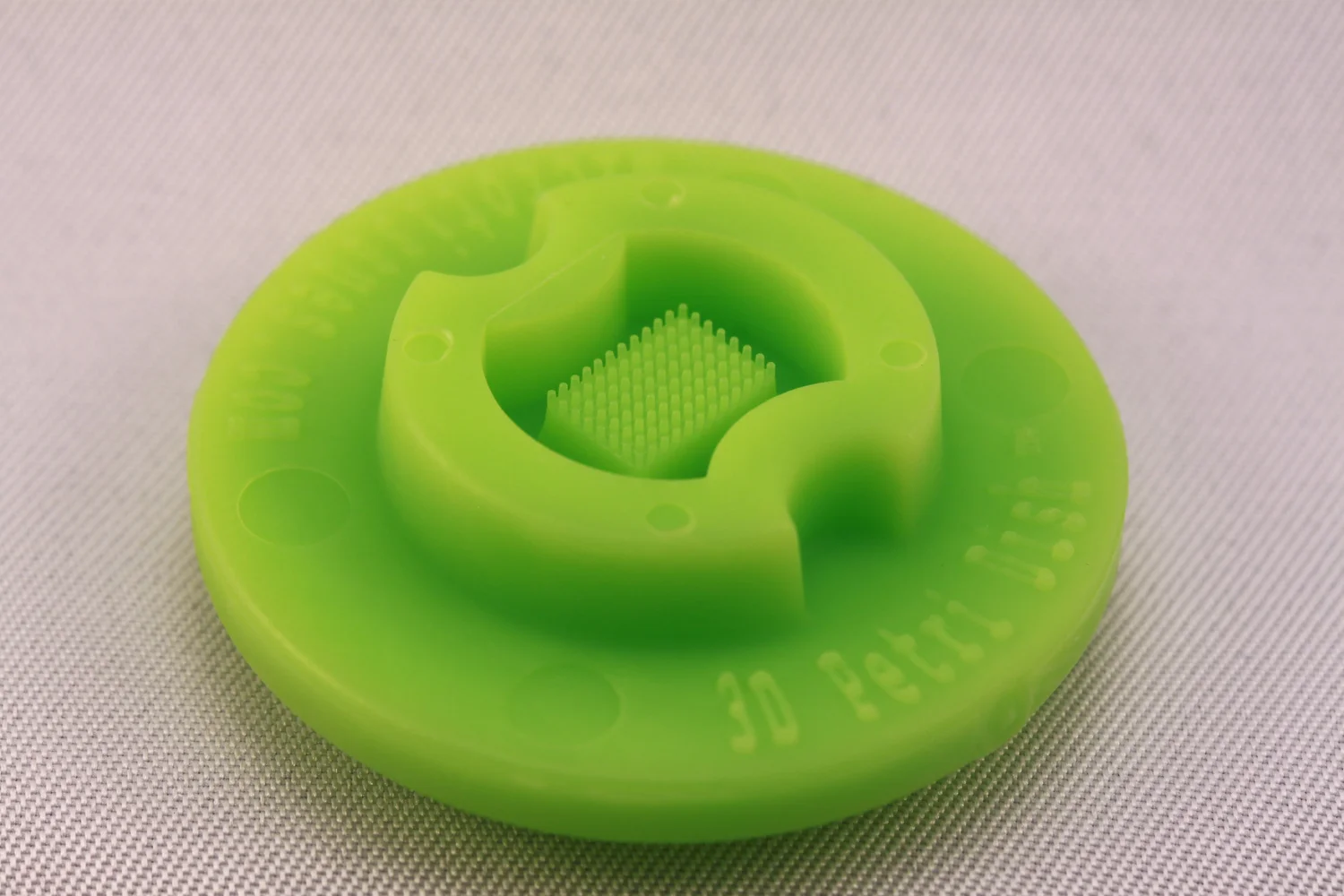
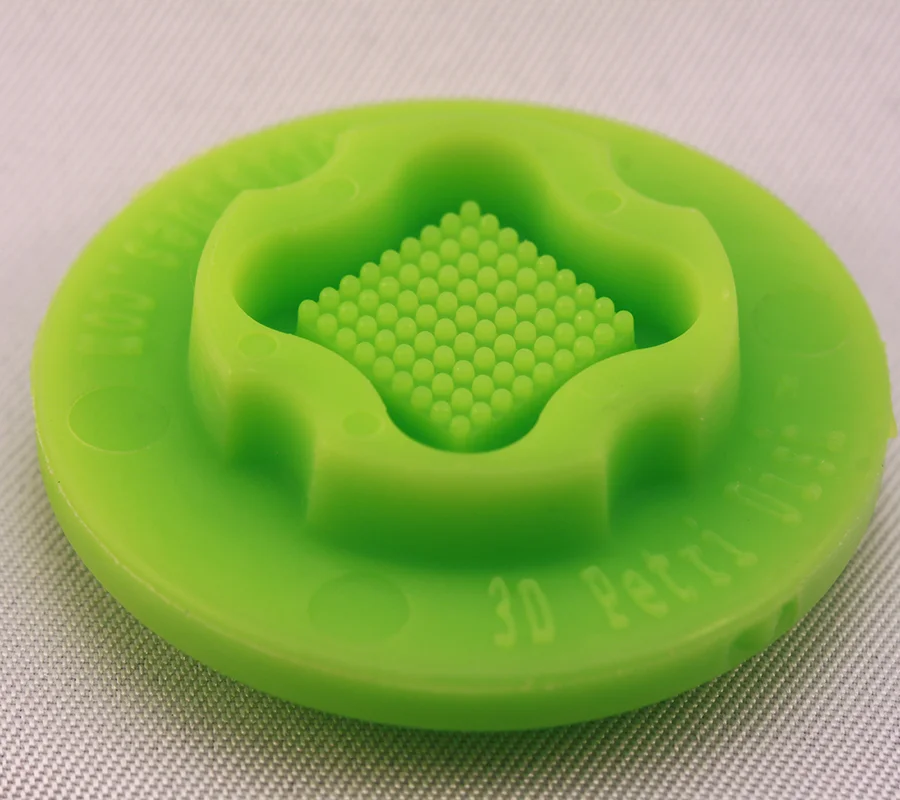
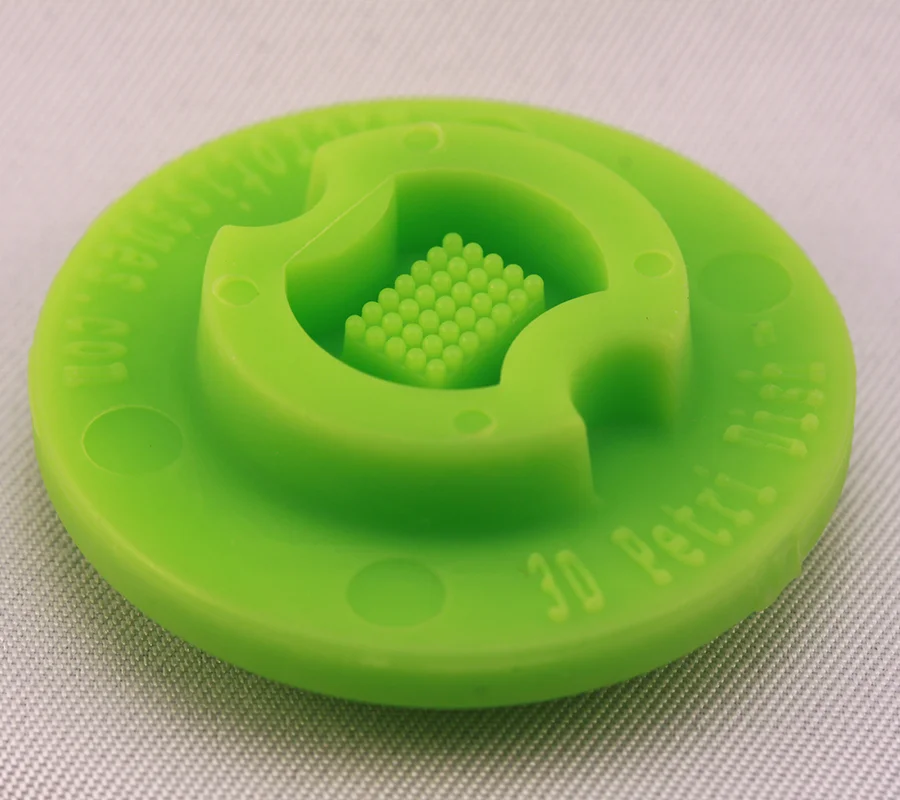
Published in Biomaterials Research (2025), this peer-reviewed study used 3D Petri Dish® micro-molds to form scaffold-free 3D microtissues. Full citation: Kang, Hyeon Jeong, et al. Keratin-Mediated Selective Inhibition in Proliferation and Selective Apoptosis of Keloid Fibroblasts
Keratin-Mediated Selective Inhibition in Proliferation and Selective Apoptosis of Keloid Fibroblasts
Research Overview
Keloids are pathological scars driven by excessive fibroblast proliferation and abnormal matrix accumulation, largely mediated by TGF-β1, and current treatments suffer high recurrence and poor selectivity. This study tested human hair-derived keratin as a selectively anti-fibrotic biomaterial.
Using 2D monolayers, 3D spheroids, fibroblast-keratinocyte co-culture, and collagen gel contraction — with and without TGF-β1 stimulation — 0.5% keratin selectively inhibited keloid fibroblast proliferation, viability, and migration while sparing normal dermal fibroblasts, with pronounced effects in the 3D models.
Key Discoveries
- Human hair-derived keratin selectively inhibited keloid fibroblasts while sparing normal dermal fibroblasts
- Effects confirmed across 2D, 3D spheroid, co-culture, and collagen contraction models
- Addresses the poor selectivity and high recurrence of current keloid therapies