Summary
An application guide to islet, beta-cell, and diabetes research with scaffold-free spheroids, with links to peer-reviewed research from our publication library.
Islet and Beta-Cell Spheroids in Diabetes Research: Application Guide
Why spheroids for islet research
Treating type 1 diabetes by cell transplantation requires very large numbers of endocrine cells, and transplanted islets are commonly lost to inflammation, ischemic damage, and delayed revascularization. Published work in our library uses scaffold-free spheroids on two fronts: expanding and differentiating stem-cell-derived pancreatic progenitors into insulin-producing aggregates, and co-aggregating islet cells with protective cell types.
Studies in the library include co-aggregates of regulatory T cells with islet cells transplanted without systemic immunosuppression, islets shielded with human amniotic epithelial cells, pancreatic progenitors expanded over 10,000-fold in defined 3D culture, and iPS-derived aggregates reaching C-peptide positivity after staged differentiation.
How the 3D Petri Dish® fits
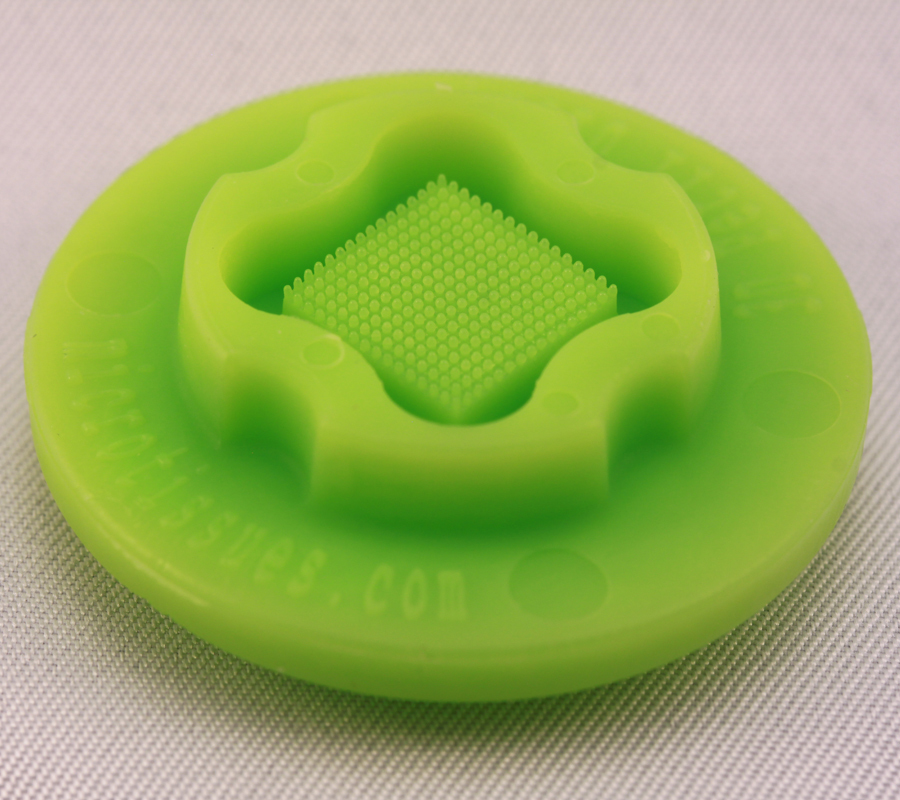
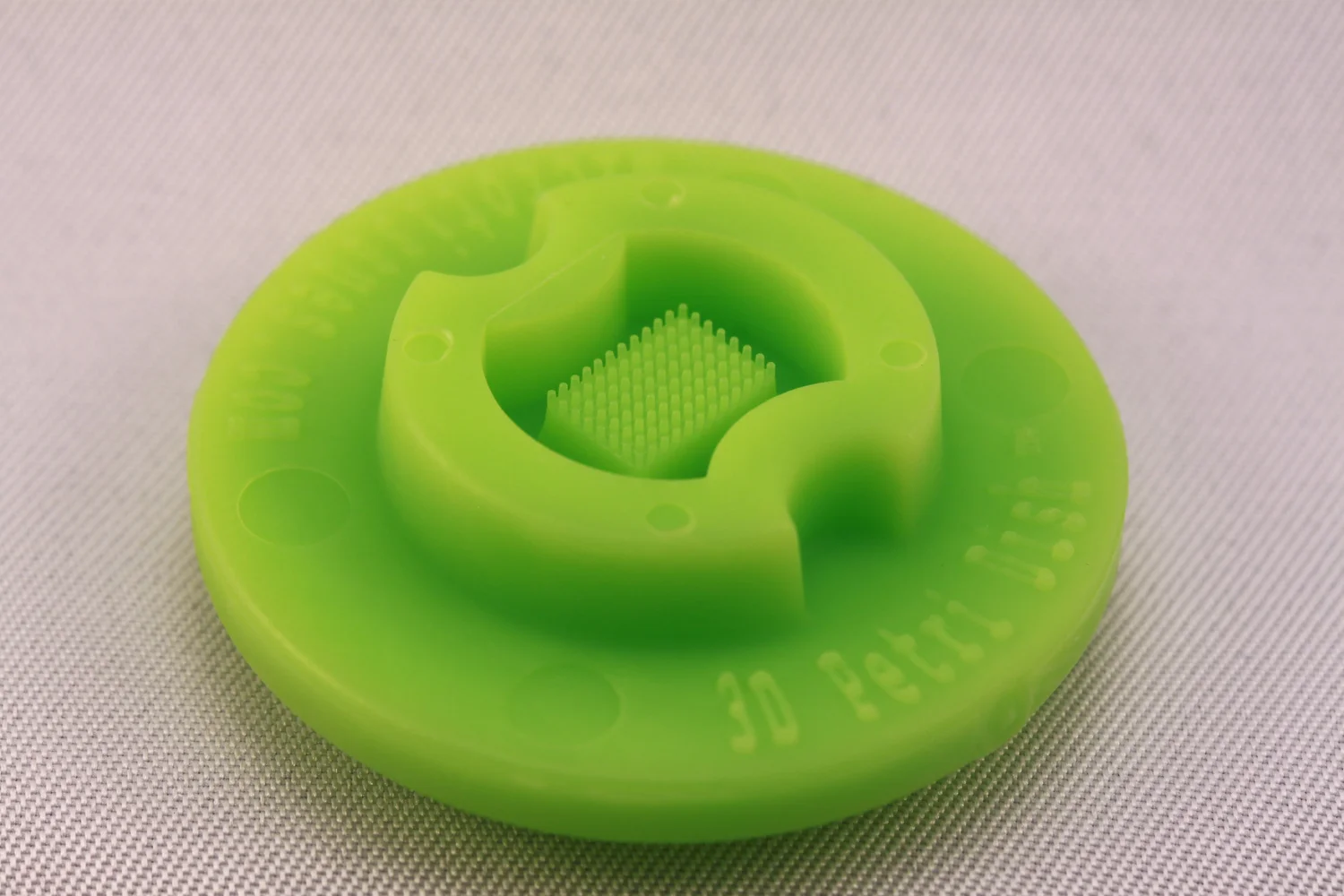
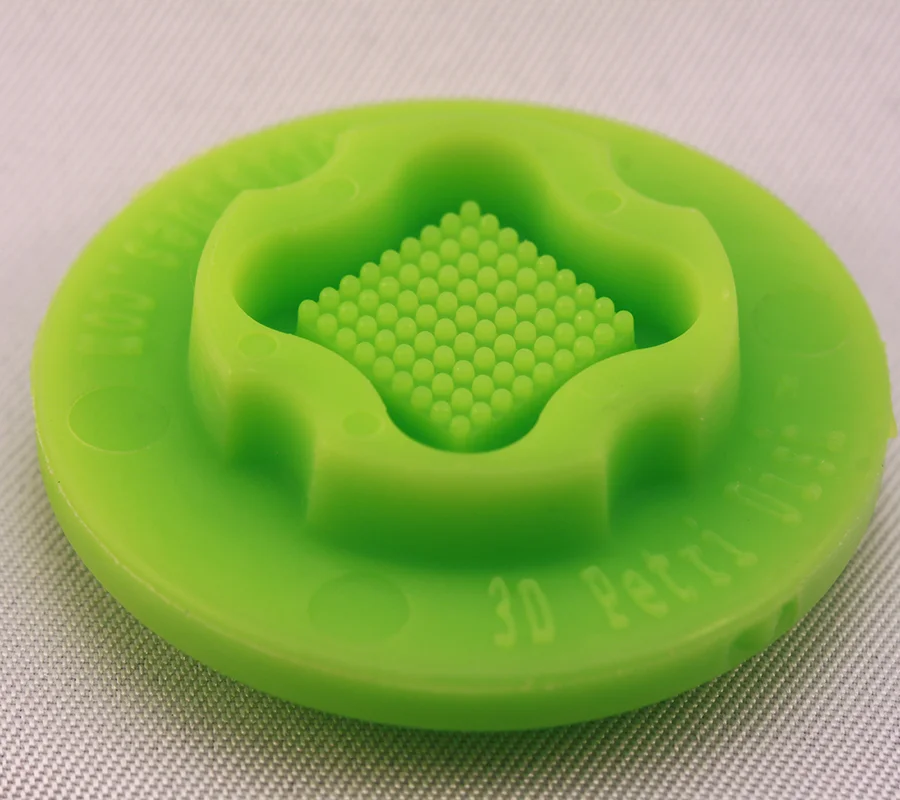
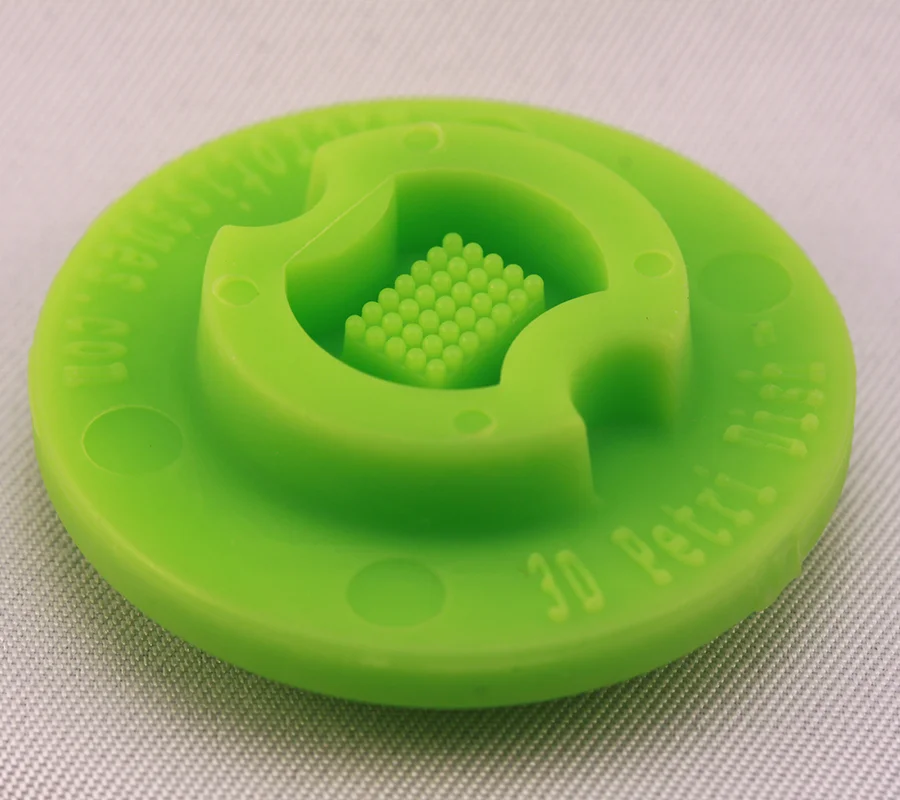
The micro-mold casts a non-adhesive agarose gel whose round-bottomed recesses hold each aggregate in a fixed position. Cells pipetted into the seeding chamber settle in and self-assemble through their own adhesion, so a single gel yields hundreds of size-matched aggregates. Where two cell types are seeded together, they may self-sort into layered arrangements — a property several islet co-aggregation studies exploit deliberately.
Aggregate size is set by the number of cells seeded. Molds are reusable — guaranteed for 12 uses — and autoclaved at 121°C on a standard steam dry cycle.
Peer-reviewed studies
Browse the full research library for published diabetes and islet studies using the 3D Petri Dish®, including regulatory T cell co-aggregation, amniotic epithelial cell shielding, and stem-cell-derived islet organoid work.