Summary
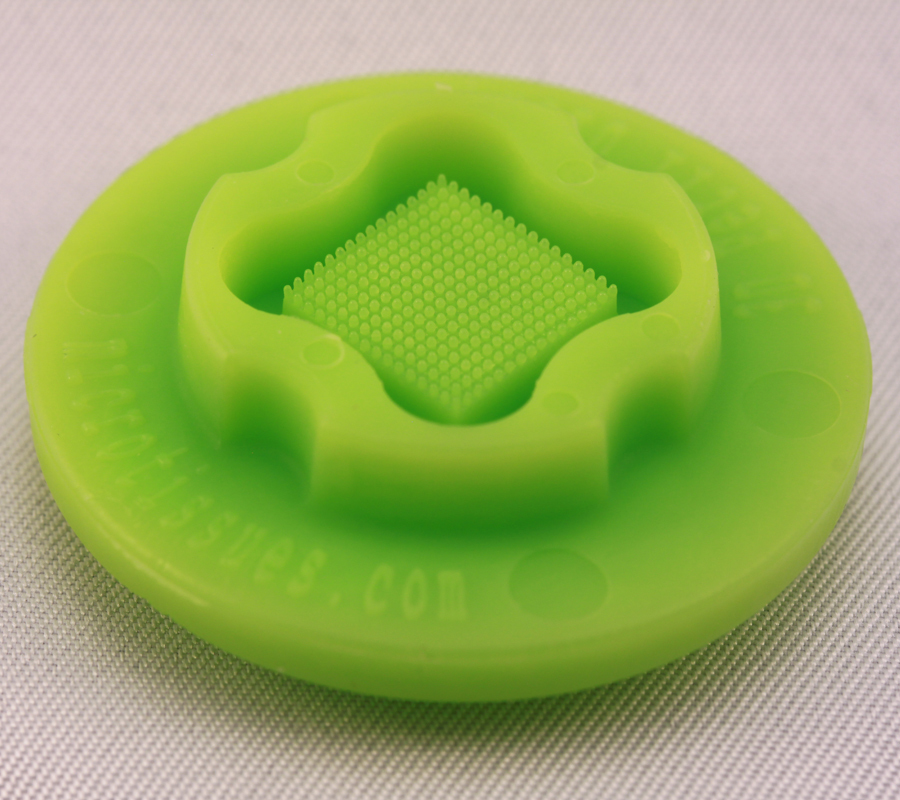
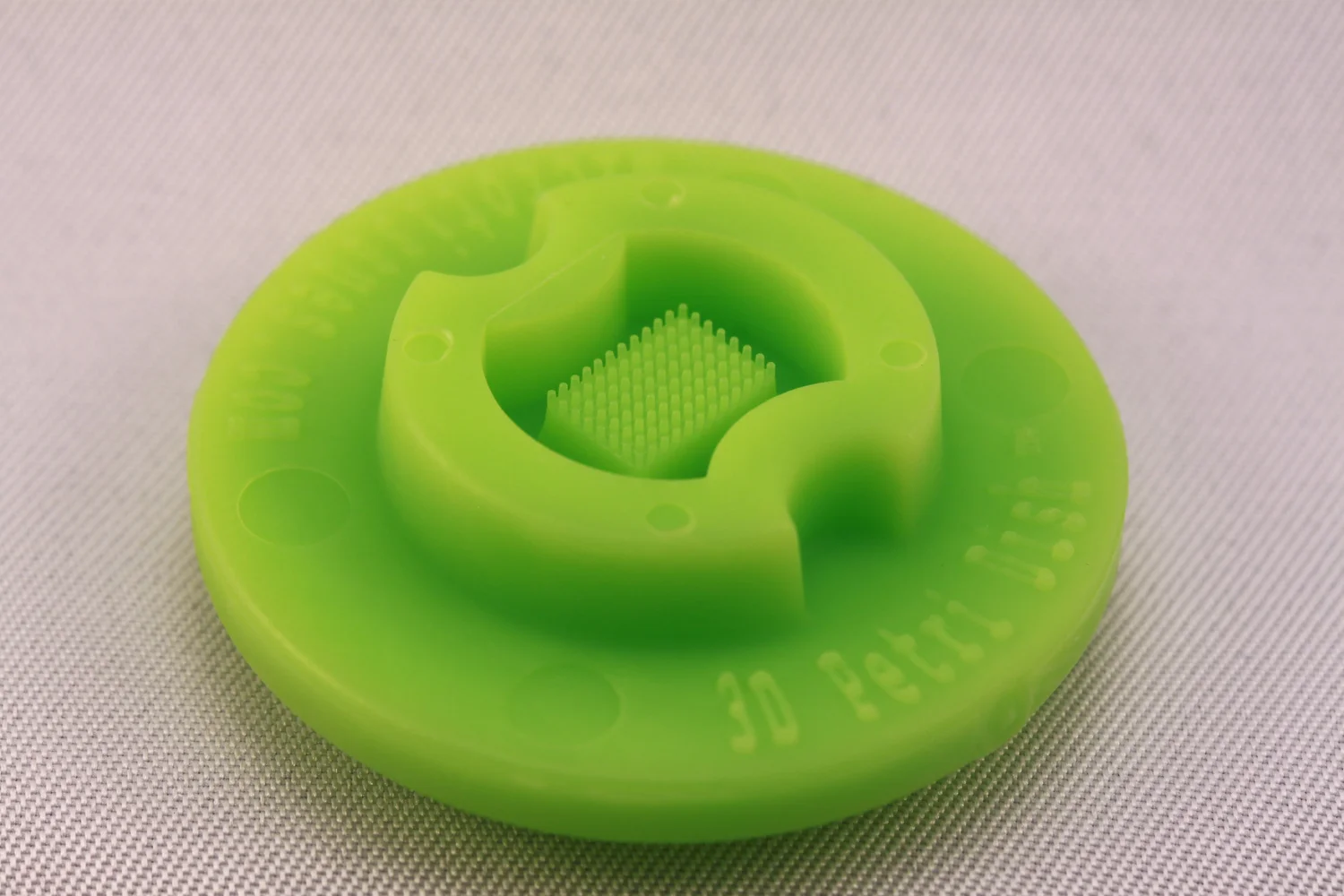
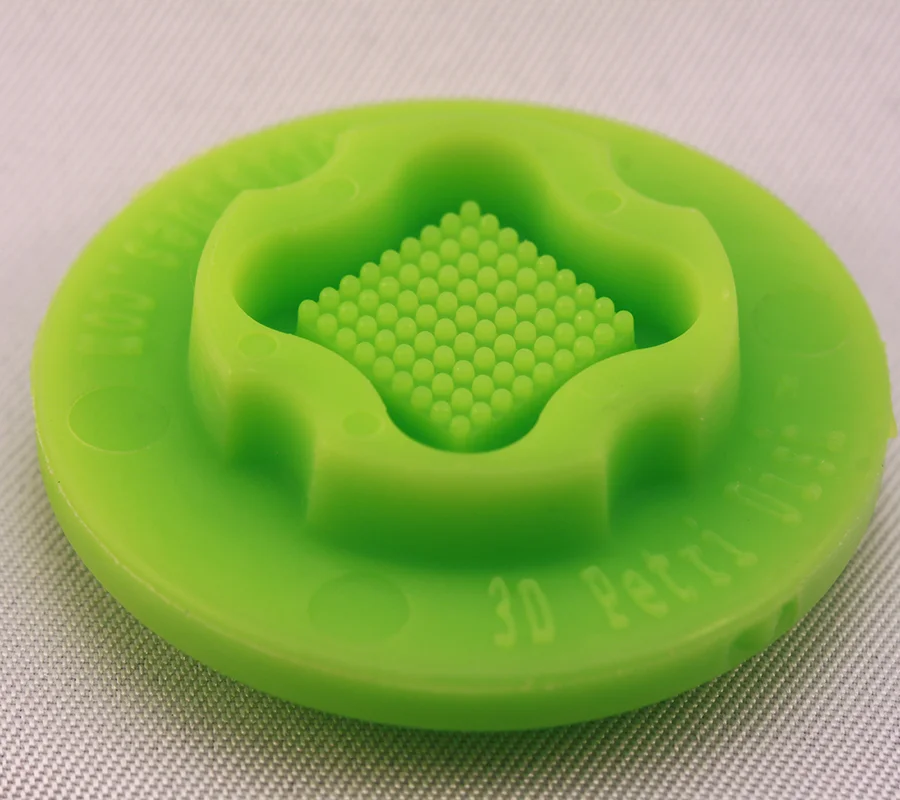
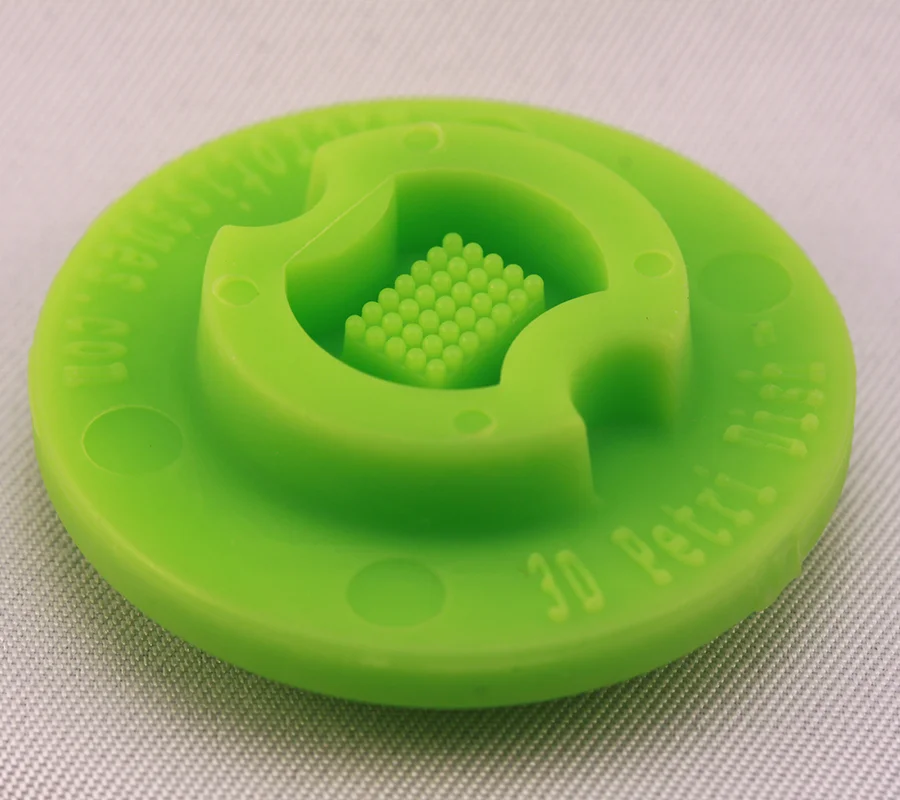
Published in Circulation: Cardiovascular Interventions (2015), this peer-reviewed study used 3D Petri Dish® micro-molds to form scaffold-free 3D microtissues. Full citation: Gallet, Romain, et al. Intracoronary Delivery of Self-Assembling Heart-Derived Microtissues (Cardiospheres) for Prevention of Adverse Remodeling in a Pig Model of Convalescent Myocardial Infarction
Intracoronary Delivery of Self-Assembling Heart-Derived Microtissues (Cardiospheres) for Prevention of Adverse Remodeling in a Pig Model of Convalescent Myocardial Infarction
Research Overview
Cardiospheres — self-assembling heart-derived microtissues — outperform dispersed cardiosphere-derived cells in preclinical studies, but the convenient intracoronary delivery route was assumed unsafe because cardiospheres are large (30–150 µm) and might cause microembolization.
This study challenged that assumption in a porcine model of convalescent myocardial infarction. The authors first standardized cardiosphere size by modifying culture conditions, then determined dosage by infusing escalating doses into the left anterior descending artery of naive pigs, evaluating both safety and efficacy of optimized intracoronary delivery.
Key Discoveries
- Cardiosphere size standardized through modified culture conditions before delivery
- Escalating intracoronary dose study performed in naive pigs to establish safety
- Challenges the assumption that microtissue size precludes intracoronary administration